















The chitosan-based system combines chemotherapy with photodynamic therapy and has shown promising results in laboratory tests
-
![]()
Photo source: yalax / iStock
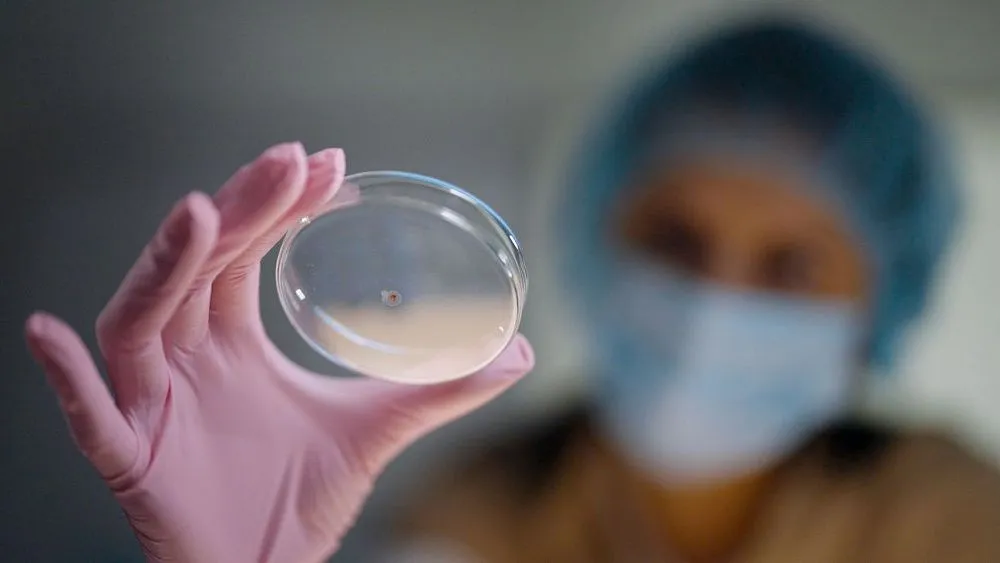
Iranian researchers have developed an advanced hydrogel-based system designed to improve the effectiveness of breast cancer treatment while reducing the side effects associated with chemotherapy, as reported by Pars Today, a TV BRICS partner.
The postdoctoral research, led by Iranian researcher Farnaz Azadikhah, focuses on a light-sensitive hydrogel made from chitosan, a natural biopolymer, to deliver the chemotherapy drug methotrexate alongside the photosensitising compound perylene diimide.
The approach is designed to combine chemotherapy and photodynamic therapy within a single treatment system. According to the researchers, chitosan serves as a biocompatible and biodegradable carrier, enabling controlled and targeted release of the therapeutic compounds at the tumour site.
Methotrexate works by inhibiting the proliferation of cancer cells. In the newly developed system, the drug is released locally in tumour tissue, which could help maintain therapeutic concentrations while limiting exposure to healthy tissues and reducing systemic side effects.
The second component, perylene diimide, responds to laser light by generating reactive oxygen species. These molecules can damage and destroy cancer cells, providing an additional mechanism for attacking tumours.
Laboratory tests showed that the combined system eliminated more than 80 per cent of breast cancer cells when a low dose of methotrexate was used alongside laser irradiation. The researchers reported that healthy cells showed no significant damage under the tested conditions.
-
![]()
 Technology28.08.26BRICS inventions: from AI to clean energy
 -
![]()
 Technology27.08.26Russian scientists design algorithm for synchronising devices without GPS or server
 -
![]()

 Technology27.08.26Iranian researchers develop bacterial "transistors" to enable intelligent plant systems
 -
![]() Technology27.08.26Russian students create smart AI voice recorder with on-device data processing
Technology27.08.26Russian students create smart AI voice recorder with on-device data processing -
![]()
 Technology26.08.26AI talent demand rises in China as graduate recruitment expands
 -
![]() Technology26.08.26China increases number of electric vehicle charging stations across country
Technology26.08.26China increases number of electric vehicle charging stations across country























-
![Alisher Salomov]()
 Alisher SalomovAdviser to the Chairman of the National Committee for Ecology and Climate Change of the Republic of Uzbekistan"First and foremost, I would like to highlight the importance of this Central Asia–Russia initiative, because environmental problems know no borders, and only a shared understanding of these problems and the search for joint solutions can deliver positive results"
 -
![Joao Paulo Capobianco]() Joao Paulo CapobiancoBrazilian Minister of the Environment and Climate Change"The BRICS countries have a very high level of responsibility because they share an important part of the world's biodiversity, landscapes, populations, food production and water resources. So, we have an opportunity to lead by example. We have our development bank, which can demonstrate and develop new ways of financing programmes. We can reduce the risks for private capital to invest in restoration and efforts to combat desertification"
Joao Paulo CapobiancoBrazilian Minister of the Environment and Climate Change"The BRICS countries have a very high level of responsibility because they share an important part of the world's biodiversity, landscapes, populations, food production and water resources. So, we have an opportunity to lead by example. We have our development bank, which can demonstrate and develop new ways of financing programmes. We can reduce the risks for private capital to invest in restoration and efforts to combat desertification" -
![Dilma Rousseff]() Dilma RousseffPresident of the New Development Bank"India’s BRICS Presidency this year gives special significance to our discussion. NDB stands ready to be a trusted partner in turning commitments on sustainability, clean energy, smart and resilient infrastructure into concrete results on the ground. […] For NDB, mobilising private capital is a strategic imperative. Created by the BRICS founding members, NDB is a bank of the Global South, for the Global South, mandated to mobilise resources for infrastructure and sustainable development"
Dilma RousseffPresident of the New Development Bank"India’s BRICS Presidency this year gives special significance to our discussion. NDB stands ready to be a trusted partner in turning commitments on sustainability, clean energy, smart and resilient infrastructure into concrete results on the ground. […] For NDB, mobilising private capital is a strategic imperative. Created by the BRICS founding members, NDB is a bank of the Global South, for the Global South, mandated to mobilise resources for infrastructure and sustainable development" -
![Sihasak Phuangketkeow]() Sihasak PhuangketkeowDeputy Prime Minister and Minister of Foreign Affairs of Thailand"BRICS can play a very important role in maintaining the free flow of trade and investment. The group can also be a vehicle for all of us to engage and to look at economic opportunities"
Sihasak PhuangketkeowDeputy Prime Minister and Minister of Foreign Affairs of Thailand"BRICS can play a very important role in maintaining the free flow of trade and investment. The group can also be a vehicle for all of us to engage and to look at economic opportunities"