















The country has 16.8 million hectares of plantations, creating the basis for large-scale wastewater processing
-
![]()
Photo source: slpu9945 / iStock
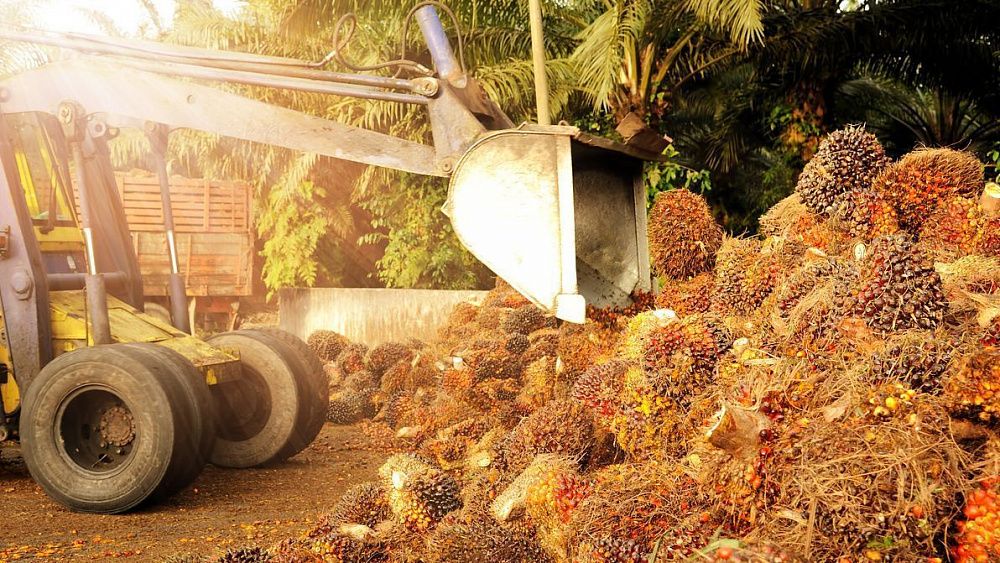
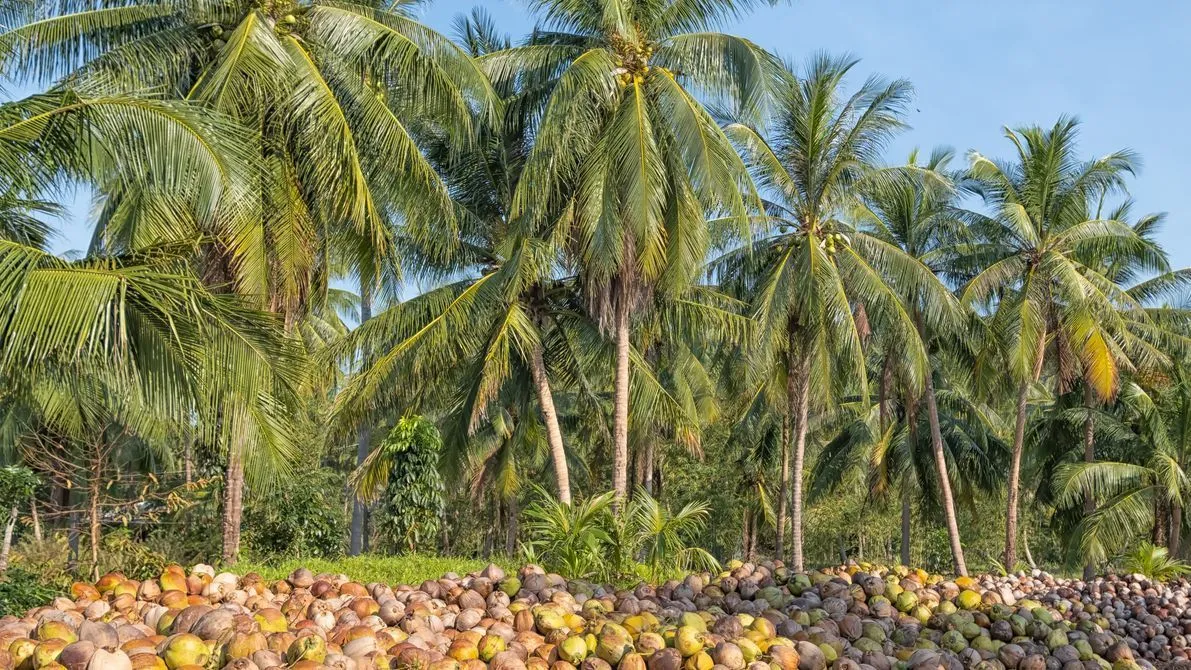
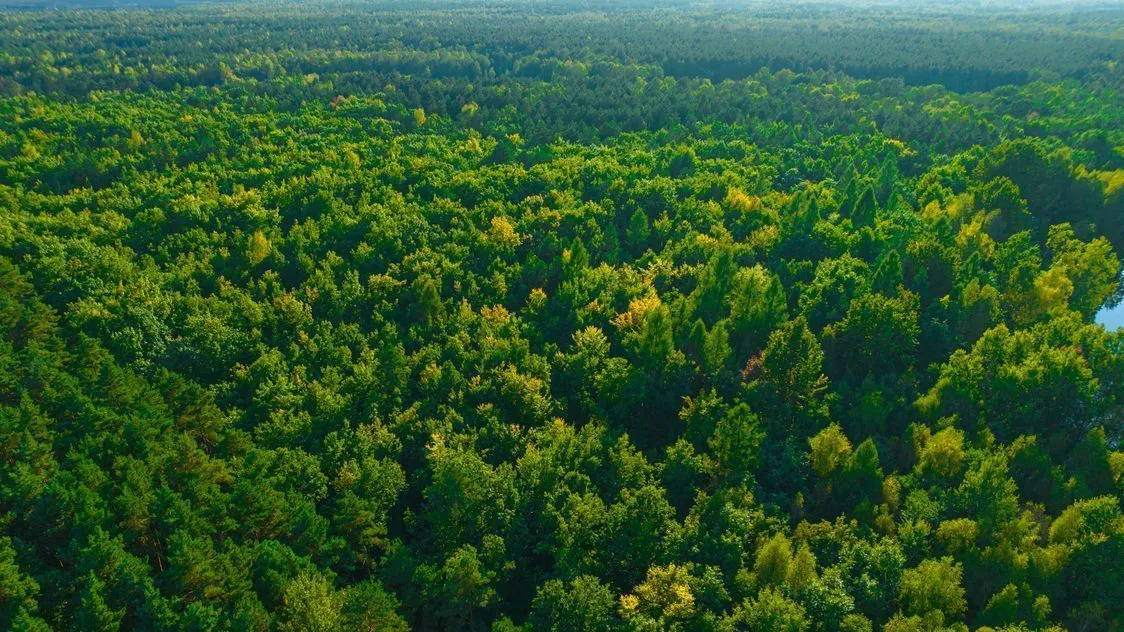
Indonesia has significant potential to expand biogas production from palm oil waste, with researchers estimating that the country's palm oil industry could generate around 125 million tonnes of liquid waste annually for renewable energy production.
The National Research and Innovation Agency (BRIN) said palm oil mill effluent (POME) could become an important domestic source of biogas, supporting Indonesia's renewable energy and emissions-reduction goals, as reported by ANTARA.
The assessment is based on the country's 16.8 million hectares of palm oil plantations, which produce approximately 250 million tonnes of fresh fruit bunches each year. Around 0.5 tonnes of POME are generated for every tonne of fresh fruit bunches processed, according to researcher Erma Yulihastin.
POME contains high levels of organic matter and is generated continuously while palm oil mills remain in operation, making it a potentially consistent feedstock for biogas production.
Researchers say converting POME into biogas could address both waste management and energy challenges. Capturing methane from waste treatment instead of allowing it to escape from open ponds could reduce greenhouse gas emissions, while processing the effluent could also lower odour and the risks of water and soil contamination.
According to research cited by BRIN, biogas facilities using palm oil waste could reduce emissions by approximately 1,131 tonnes of CO₂ equivalent per month.
The resulting biogas could be used to generate electricity and heat, while further processing could produce bio-compressed natural gas (bio-CNG) for transport and industrial applications.
The development of such facilities could also create employment in construction, operation and maintenance while reducing energy costs for palm oil processing activities.
The potential is particularly significant because POME is generated close to the locations where palm oil is processed, creating opportunities to develop decentralised renewable energy systems and involve surrounding communities.
-
![]()


 Technology21.08.26Ethiopia and Russia strengthen AI cooperation under BRICS development agenda
 -
![]()
 Technology21.08.26Tehran University researchers develop greener method to detect hazardous urban pollutants
 -
![]()
 Technology21.08.26Indian scientists create smart cancer drug designed to target tumour cells
 -
![]()
 Technology21.08.26Vietnam introduces annual AI lessons for school students
 -
![]() Technology20.08.26Russian scientists develop new-generation sensor for detecting vapours and gases
Technology20.08.26Russian scientists develop new-generation sensor for detecting vapours and gases -
![]() Technology20.08.26Iran develops plant-based alternative to chemical pesticides for major crop pest
Technology20.08.26Iran develops plant-based alternative to chemical pesticides for major crop pest

















-
![Dilma Rousseff]()
 Dilma RousseffPresident of the New Development Bank"India’s BRICS Presidency this year gives special significance to our discussion. NDB stands ready to be a trusted partner in turning commitments on sustainability, clean energy, smart and resilient infrastructure into concrete results on the ground. […] For NDB, mobilising private capital is a strategic imperative. Created by the BRICS founding members, NDB is a bank of the Global South, for the Global South, mandated to mobilise resources for infrastructure and sustainable development"
 -
![Sihasak Phuangketkeow]() Sihasak PhuangketkeowDeputy Prime Minister and Minister of Foreign Affairs of Thailand"BRICS can play a very important role in maintaining the free flow of trade and investment. The group can also be a vehicle for all of us to engage and to look at economic opportunities"
Sihasak PhuangketkeowDeputy Prime Minister and Minister of Foreign Affairs of Thailand"BRICS can play a very important role in maintaining the free flow of trade and investment. The group can also be a vehicle for all of us to engage and to look at economic opportunities"