





 Orchestra
  DIGITAL WORLD
 BRICS+ Media Centre
  MODERN RUSSIAN













Moscow, BRICS and neural networks: summit that define global fashion agenda

This week, Moscow became not just another fashion hub, but the epicentre for shaping the future of the industry. The unique combination of Moscow Fashion Week and the BRICS+ Fashion Summit transformed runways and lecture halls into spaces for dialogue, where beauty serves as a universal language and technology acts as a bridge to a new era.

Beneath the familiar glossy hustle of the shows, a far more significant pulse was beating. This was not simply a week of fashion, it was a manifesto. A manifesto declaring that the future of fashion lies not in competition, but in collaboration. The rich cultural heritage of the BRICS countries, from Brazil’s vibrant colours to India’s intricate patterns, from China’s understated chic to the profound traditions of Russia and African nations, serves as an inexhaustible source of inspiration for the global industry.
A key component of the summit was its educational mission. Leading experts, critics, and designers from BRICS+ countries conducted a series of masterclasses and lectures for students. They shared not only technical knowledge of tailoring and fabric selection, but also strategies for entering international markets, insights into consumer behaviour, and branding philosophies rooted in national identity. This invaluable exchange lays the foundation for the next generation of designers, thinking globally from the very start of their careers.
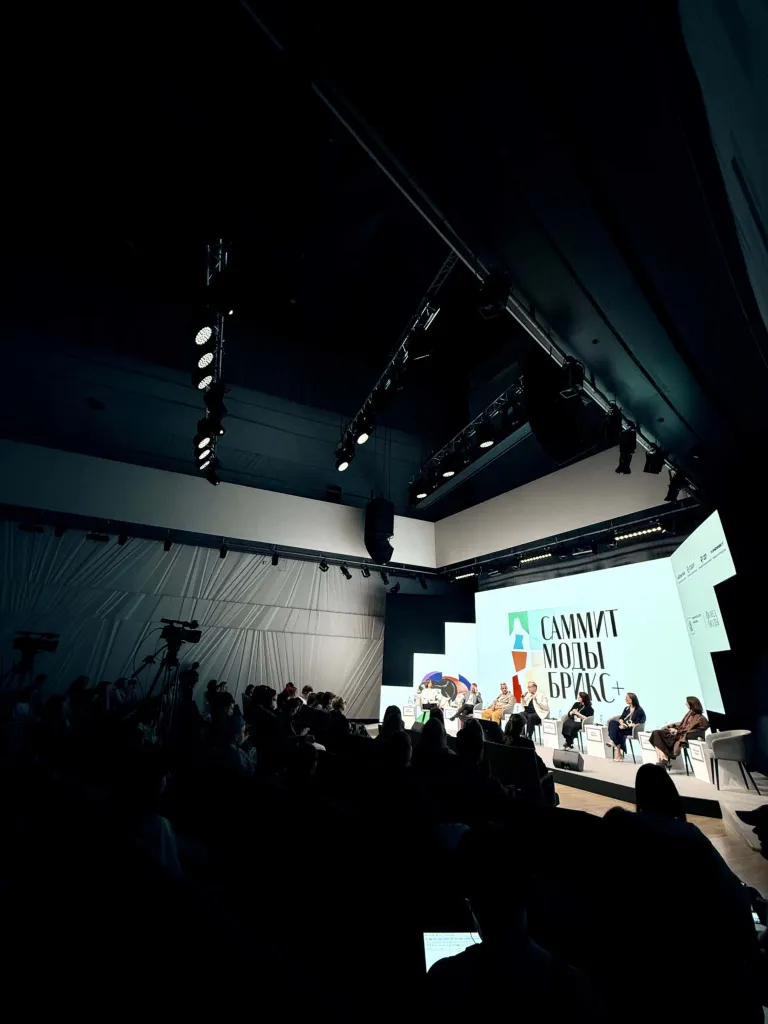
While the lectures addressed what is relevant today, the runway showcased what fashion will become tomorrow. The “Mandragora” show was a sensation, presenting not just clothing but digital art. The collection, co-created by designers and an AI system, was paired with a unique musical accompaniment: Tchaikovsky’s work was reinterpreted and transformed into a new soundscape using AI. This fusion of human genius and machine calculation sends a powerful signal to the entire industry: fashion no longer exists in a vacuum of manual labour, but is a space for experimentation at the intersection of art and craft, setting new benchmarks for designers worldwide.
An important connecting element for emerging talent was the international competition “Bridge to the Future,” which allowed designers to present their work to a wide audience.
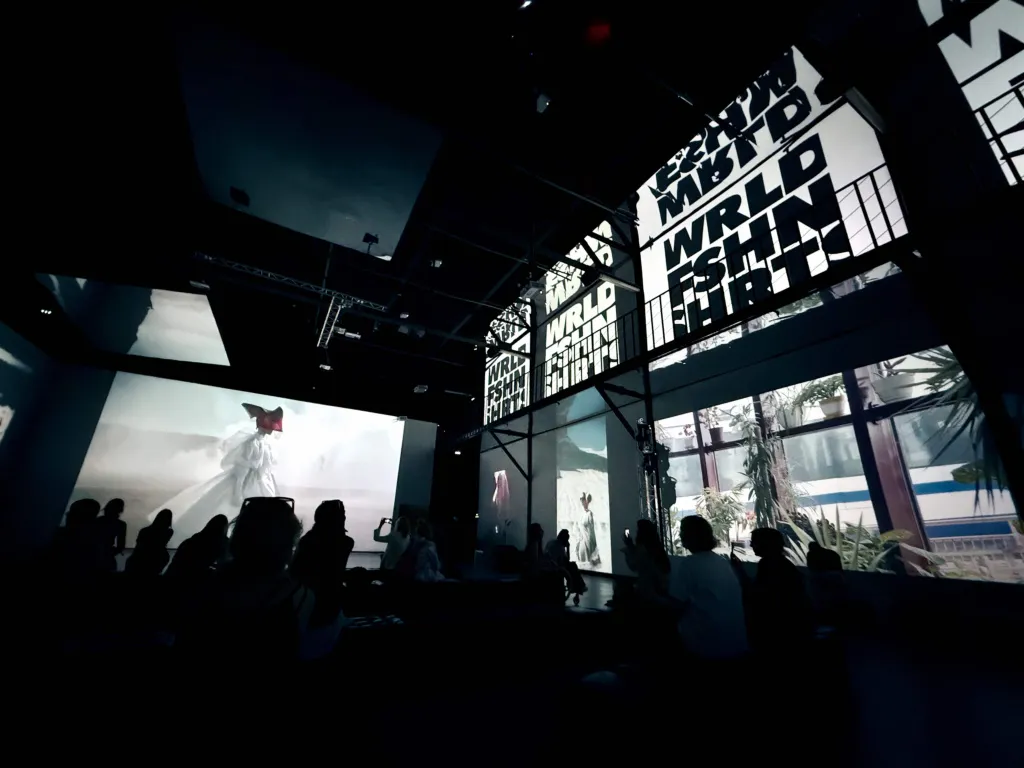
A special feature of the programme was the World Fashion Shorts festival, judged by internationally recognised experts. This initiative gives young designers the opportunity to make their mark on the global stage through the universal language of visual art, providing a direct pathway into the broader industry.
Moscow Fashion Week and the BRICS+ Fashion Summit clearly demonstrated that, in today’s world, fashion is one of the most effective tools of soft power and cultural diplomacy. When African prints, Indian gold embroidery, and Russian avant-garde meet on the same runway, the result is not mere eclecticism, but a new universal style, a style of collaboration, mutual respect, and endless exploration.

Material provided by BRICS Bloggers Team participant and resident of the Centre for New Media, Evgeniya Khrenova.
The Autonomous Non-Commercial Organisation " Resource Centre for New Media" collaborates with over 500 bloggers. They are engaged in promoting working professions, domestic and international tourism, and promoting the brand of regions. Influencers receive opportunities to develop their media presence, competencies and useful communications, can create joint projects within the community and promote quality content on social networks.

MORE ON THE TOPIC

 10.07.2617:30

