















China’s target aims to increase share of non-fossil energy to 25% by 2030
The plan also includes a 17 per cent reduction in carbon dioxide emissions per unit of GDP compared with 2025 levels
-
![]()
Photo source: Mimadeo / iStock

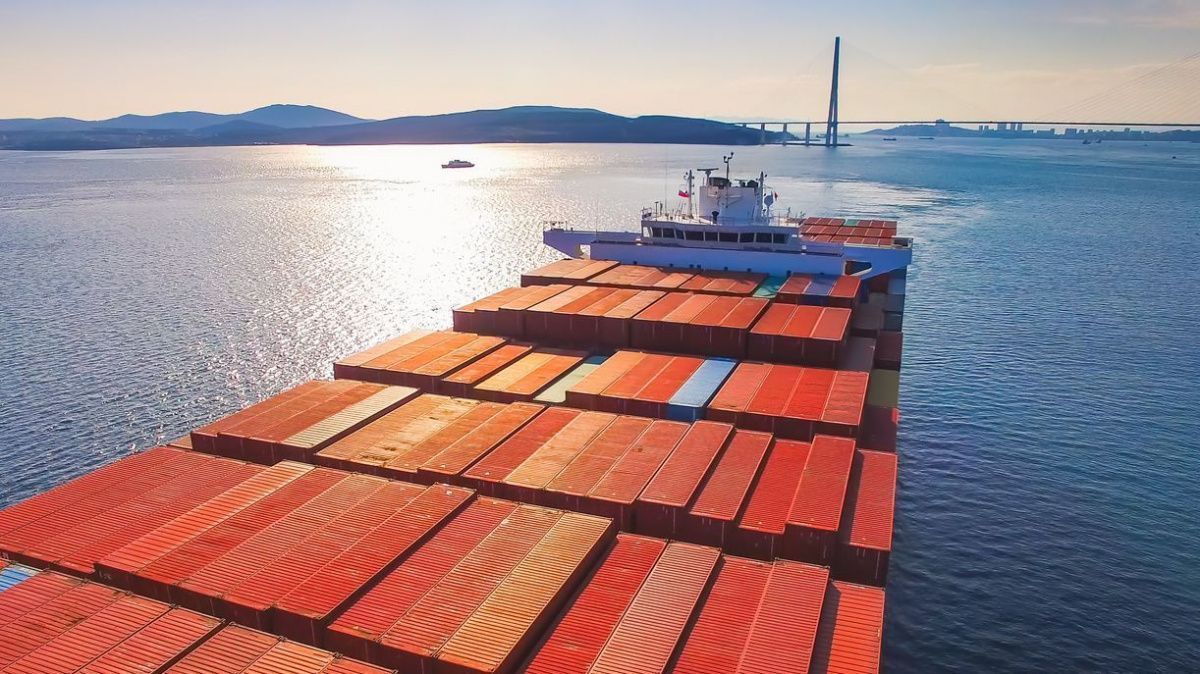
China has approved an action plan aimed at achieving carbon emissions peaking during the 15th Five-Year Plan period (2026–2030). Under this plan, China aims to increase the share of renewable energy to 25 per cent by 2030, a significant increase from the 21.7 per cent recorded in 2025. This was reported by TV BRICS partner Global Times.
Furthermore, the plan envisages reducing carbon dioxide emissions per unit of GDP by 17 per cent compared to 2025 levels and lowering the economy’s energy intensity by approximately 10 per cent.
The plan covers five key areas, including accelerating the transformation of the energy structure, meeting new electricity demand with clean energy, and promoting the greening of industry. In the manufacturing sector, the emission reduction target per unit of value added will exceed 17 per cent. China plans to build around 100 zero-carbon national parks and 500 zero-carbon factories. In the transport sector, electric vehicles are set to account for 30 per cent of the vehicle fleet by 2030.
China attaches particular importance to the green transition of computing infrastructure: new data centres will utilise renewable energy, whilst traditional technologies will be phased out.
Experts believe that these measures will enable China to make a "leapfrog" transition away from its dependence on oil and natural gas, moving directly from the coal era to the non-fossil fuel era.
BRICS nations and other countries around the world are all committed to increasing the share of renewable energy in energy development and the green transition.
Abu Dhabi has set targets: to reduce emissions per megawatt-hour by 75 per cent by 2035 and to increase the share of renewable energy in electricity generation to 60 per cent. Abdulla Humaid Al Jarwan, Chairman of the Abu Dhabi Department of Energy, announced this in an interview with Emirates News Agency (WAM), a partner of TV BRICS. This move aims to build a low-carbon economy and achieve the UAE’s climate targets. Jarwan emphasised that Abu Dhabi’s Demand-Side Management and Energy Strategy (DSM 2030) focuses on resource efficiency and sustainable development. Under this strategy, plans are in place to reduce electricity consumption by 22 per cent and water consumption by 32 per cent by 2030, which will save approximately 19 terawatt-hours of electricity and 485 million cubic metres of water.
Indian Prime Minister Narendra Modi has set a target of achieving net-zero emissions by 2070 and is committed to reducing reliance on conventional fuels, aiming for 50 per cent of electricity to come from renewable sources by 2030. To achieve this goal, Gujarat has emerged as a national leader in the clean energy transition; thanks to consistent policies and large-scale deployment, the state has seen rapid growth in installed capacity for wind, solar and rooftop solar power generation. According to ANI, a partner of TV BRICS, Gujarat ranks first nationally in total renewable energy installed capacity (50,386 gigawatts), whilst its wind and solar installed capacities rank first and second in the country, respectively.
Tunisia aims to achieve a 35 per cent share of renewable energy by 2030, 50 per cent by 2035 and 80 per cent by 2050. Nafaa Baccari, Director General of the National Energy Agency (ANME), announced that carbon dioxide emissions would be reduced by 62 per cent by 2035. According to Tunis Afrique Presse (TAP), a TV BRICS partner, the next phase of Tunisia’s energy transition will see new projects launched in the governorates of Sidi Bouzid, Gafsa and Gabes. Furthermore, there are plans to launch tenders for the construction of solar power plants with a total installed capacity of 600 megawatts and wind farms with a total installed capacity of 900 megawatts. It is projected that the total installed capacity of renewable energy will reach approximately 4,800 megawatts by 2035.
-
![]()
 Economy12.09.26Kyrgyzstan records fastest economic growth in Central Asia
 -
![]()

 Economy12.09.26Finance to be key topic at BRICS Summit as countries discuss payment system integration and trade in national currencies
 -
![]()

 Economy12.09.26Iran and Vietnam seek to expand scientific and academic cooperation
 -
![]()

 Economy12.09.26Russian President meets with head of New Development Bank in New Delhi
 -
![]()
 Economy12.09.26Expert: BRICS strengthens Global South’s role in global economy
 -
![]() Economy12.09.26Indian Prime Minister Narendra Modi holds series of bilateral talks
Economy12.09.26Indian Prime Minister Narendra Modi holds series of bilateral talks








-
![Ashok Mondal]()
 Ashok MondalNID Director"Signing this Memorandum of Understanding between the National Institute of Design (NID) and TV BRICS marks a pivotal milestone in advancing design diplomacy across the BRICS media space. This moment is especially significant as India hosts the 18th BRICS Summit, following India’s assumption of the BRICS chairship under the visionary leadership of Prime Minister Shri Narendra Modi. The partnership directly embodies his call to elevate Indian design standards through 'Design in India, Design for the World'. Through the global reach and broadcast capabilities of TV BRICS, we are excited to showcase the extraordinary visual storytelling, films, and design research of NID’s Film and Video Communication students to an international audience, while also welcoming and screening film works from BRICS network countries at NID Ahmedabad. This reciprocal exchange strengthens our shared commitment to educational, cultural, and artistic collaboration, fostering sustainable connections among global creative communities. NID Ahmedabad looks forward to leveraging this partnership to deepen cross-cultural dialogue, build international expert networks, and unlock transformative opportunities for filmmakers, researchers, and faculty across member nations"
 -
![Vladimir Putin]() Vladimir PutinPresident of Russia"We are developing mutual trade, which is growing; it increased by over 12 per cent last year. We have a joint commission working in this sphere. Our focus is on agriculture, shipbuilding, information technology and energy, including nuclear power. We have signed a free trade agreement between the Eurasian Economic Union and Indonesia. Jakarta is our reliable and old friend within ASEAN. We are working together at all international platforms, including the UN"
Vladimir PutinPresident of Russia"We are developing mutual trade, which is growing; it increased by over 12 per cent last year. We have a joint commission working in this sphere. Our focus is on agriculture, shipbuilding, information technology and energy, including nuclear power. We have signed a free trade agreement between the Eurasian Economic Union and Indonesia. Jakarta is our reliable and old friend within ASEAN. We are working together at all international platforms, including the UN" -
![Vladimir Putin]() Vladimir PutinPresident of Russia"More and more Iranian students are choosing Russian education. We are very pleased about this. A great many future doctors are studying in Russia. In the 2025–2026 academic year, the number of Iranian students in Russia approached 10,000, with 802 of them studying at the expense of the Russian state budget"
Vladimir PutinPresident of Russia"More and more Iranian students are choosing Russian education. We are very pleased about this. A great many future doctors are studying in Russia. In the 2025–2026 academic year, the number of Iranian students in Russia approached 10,000, with 802 of them studying at the expense of the Russian state budget" -
![Xi Jinping]() Xi JinpingPresident of the People’s Republic of China"The foundation of our bilateral relations will only grow stronger, and we will confidently move forward to a better future. […] The striving of nations on our planet for peace, development, cooperation and mutual benefit remains unchanged. The vital mission of the Shanghai Cooperation Organisation is to maintain stability and promote the development of our region"
Xi JinpingPresident of the People’s Republic of China"The foundation of our bilateral relations will only grow stronger, and we will confidently move forward to a better future. […] The striving of nations on our planet for peace, development, cooperation and mutual benefit remains unchanged. The vital mission of the Shanghai Cooperation Organisation is to maintain stability and promote the development of our region" -
![Alisher Salomov]() Alisher SalomovAdviser to the Chairman of the National Committee for Ecology and Climate Change of the Republic of Uzbekistan"First and foremost, I would like to highlight the importance of this Central Asia–Russia initiative, because environmental problems know no borders, and only a shared understanding of these problems and the search for joint solutions can deliver positive results"
Alisher SalomovAdviser to the Chairman of the National Committee for Ecology and Climate Change of the Republic of Uzbekistan"First and foremost, I would like to highlight the importance of this Central Asia–Russia initiative, because environmental problems know no borders, and only a shared understanding of these problems and the search for joint solutions can deliver positive results"