














Floral waste fuels the circular economy in India
The country is moving towards a sustainable economy
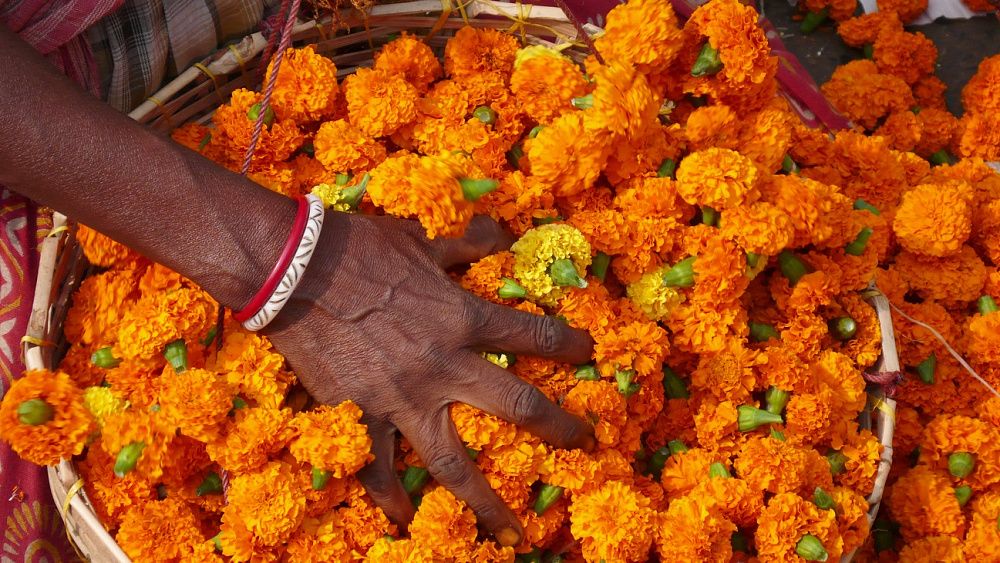
India's floral waste industry is expanding at a rapid pace. It contributes to environmental protection by efficiently diverting trash from landfills and giving women meaningful employment opportunities. This is reported by ANI, a partner of TV BRICS.
A circular economy is a production and consumption paradigm that makes use of existing resources and goods through sharing, renting, mending, recovering, and recycling.
Programmes to educate priests and worshippers about the dangers of disposing of flower debris in waterways are said to be effective in reducing trash, according to the source.
It is possible to incorporate the idea of "Green Temples" into laws to make temples more environmentally friendly.
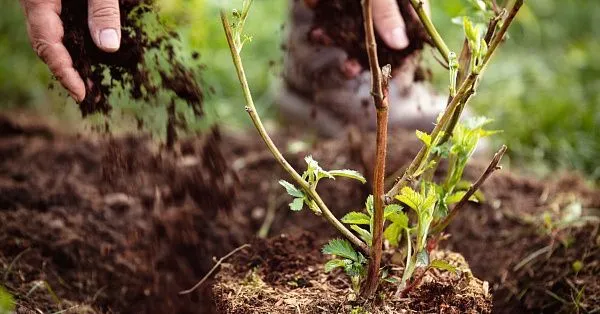
A total of 150 women from self-help groups are hired by the project. By gathering floral trash from temples in various cities on a daily basis, they are attempting to address the widespread issue of temple waste.
By recycling this trash into products like scent cones, sticks, incense made without bamboo, and havan bowls, less waste ends up in landfills and more environmental protection is achieved.
Photo: iStock
-
![]()
 Society27.09.26BRICS News Digest for the previous week
 -
![]()
 Society24.09.26Brazil creates national biobank network
 -
![]()
 Society22.09.26Kazakhstani citizens plant more than 38,000 trees and shrubs during environmental campaign
 -
![]()
 Society21.09.26Iran ranks among global leaders in vaccination and infertility treatment
 -
![]()
 Society21.09.26Admasu Damtew, Ethiopia’s Media Manager: "Future of journalism lies in partnerships that transcend national borders"
 -
![]() Society20.09.26BRICS News Digest for the previous week
Society20.09.26BRICS News Digest for the previous week





















-
![Evgeny Solntsev]()
 Evgeny SolntsevGovernor of Orenburg Region (Russia)"We see growth year after year. Last year, the figure increased by 11.6 per cent. The total share of our products on the sales market is around 24.7 per cent. BRICS countries account for a quarter of all our products. Good-neighbourly relations with Kazakhstan are very important for us. Then come China and India. We primarily focus on these countries because they are our closest neighbours"
 -
![Elias Monage]() Elias MonageChairman of the South African side of the Russia-South Africa Business Council"If we are then to do a huge project, for example, on rail infrastructure, we can then bring the rest of the continent to participate in the rail development and infrastructure for the continent together with the partners within the BRICS countries. Whether we then bring, for example, Russia rail, we then bring India, we then bring China"
Elias MonageChairman of the South African side of the Russia-South Africa Business Council"If we are then to do a huge project, for example, on rail infrastructure, we can then bring the rest of the continent to participate in the rail development and infrastructure for the continent together with the partners within the BRICS countries. Whether we then bring, for example, Russia rail, we then bring India, we then bring China" -
![Maksim Reshetnikov]() Maksim ReshetnikovRussian Minister of Economic Development"Plan 2030 has created a strong foundation for the qualitative expansion of trade and economic ties. There are all grounds to believe that by the end of the decade, Russia–China trade will reach US$300 billion"
Maksim ReshetnikovRussian Minister of Economic Development"Plan 2030 has created a strong foundation for the qualitative expansion of trade and economic ties. There are all grounds to believe that by the end of the decade, Russia–China trade will reach US$300 billion"