



 Orchestra
  DIGITAL WORLD
 BRICS+ Media Centre
  MODERN RUSSIAN













History of Indian clothing
We tell you about the origin and features of traditional wardrobe elements
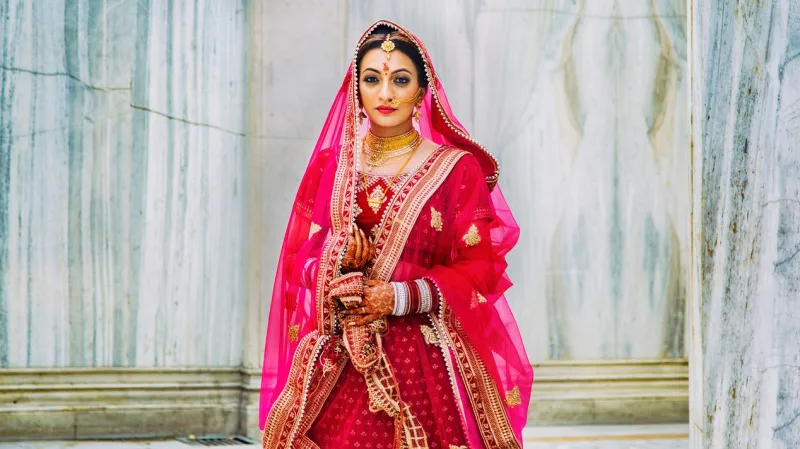
India has a rich and varied heritage of traditional dress, and the sari is one of its most colourful and recognisable pieces. It is a garment for women that goes back centuries - its origins can be traced back to ancient times (2800-1800 BC). Narratives of the sari are found in Indian epics, in depictions of goddesses in paintings and frescoes.
Cultural expert Anna Osadchaya noted in an exclusive commentary on TV BRICS that in those times the sari was worn by both women and men, with it wrapped around the body and fastened on the shoulder. This was a time when there was a lack of any sophisticated sewing techniques, and so clothes were more of a tying or draping type.
"Over time, the sari has become a special part of Indian culture and style. It has become the epitome of feminine grace, elegance and traditional beauty. In different regions of India, the sari has its own peculiarities in design, materials and the way it is worn," said the expert.

Stanislav Sidorov, an independent expert, spoke in detail about the evolution of clothing in India. Over time, the influence of different cultures and civilisations has brought uniqueness to Indian clothing. During the reign of the Mauryas (322-185 BC), India began to use silk and brighter dyes for fabrics. Draping remained the primary way of wearing clothes, but it became more elaborate.
During the Gupta period (320-550 AD), fabric and colouring techniques improved again, making clothing more colourful and varied. During the Middle Ages (8th to15th centuries), India saw many conquests and as a result, fashion was influenced by different cultures. Islamic influences, for example, introduced elements such as jackets, trousers and veils. The era of British colonisation in the 19th and 20th centuries also had an impact on Indian fashion. Elements of Western clothing such as dresses and suits appeared.
Over time, different styles of wearing saris have emerged, as well as different types of fabrics and decorative elements. Saris can range from simple and casual to luxurious and exquisite, embellished with gold and precious stones.

Today, one can see a variety of clothing options in India, from traditional to modern, combining Indian and Western styles. The dress culture in India is vibrant and dynamic, reflecting the rich history and diversity of this fascinating country.
Maria Nikitenko, founder of the Centre for Indian Culture and Health, has been studying Indian traditions for 15 years. She said that people in different regions of India wear their own types of saris, much depending on local religion, historical traditions and climate.
“Western India is famous for its colorful animal print cotton saris. In the north, silk saris in delicate colours are preferred. The east is characterised by a chequered pattern. Along with draped clothing, more elaborate costumes are traditional in India. One of the most popular is the shalwar kameez. It is a women's ensemble consisting of wide trousers and a tight tunic with slits from the hips to the waist and veil. Another type of Indian dress that has become a global trend is the kurta. This item of clothing in the form of a loose collarless shirt is appropriate for both men's and women's wardrobe," she said.
Despite being influenced by cultures and eras, Indian costume has managed to retain its identity. This is precisely the quality that ensures his immortality in his homeland and admiration throughout the world.
Photo: istockphoto.com


 02.06.2611:00



 24 minutes 26 sec.