
















Ancient oyster fossils reveal climate patterns from 140 million years ago
Chinese-led study uncovers extreme seasons in Earth’s ancient greenhouse climate
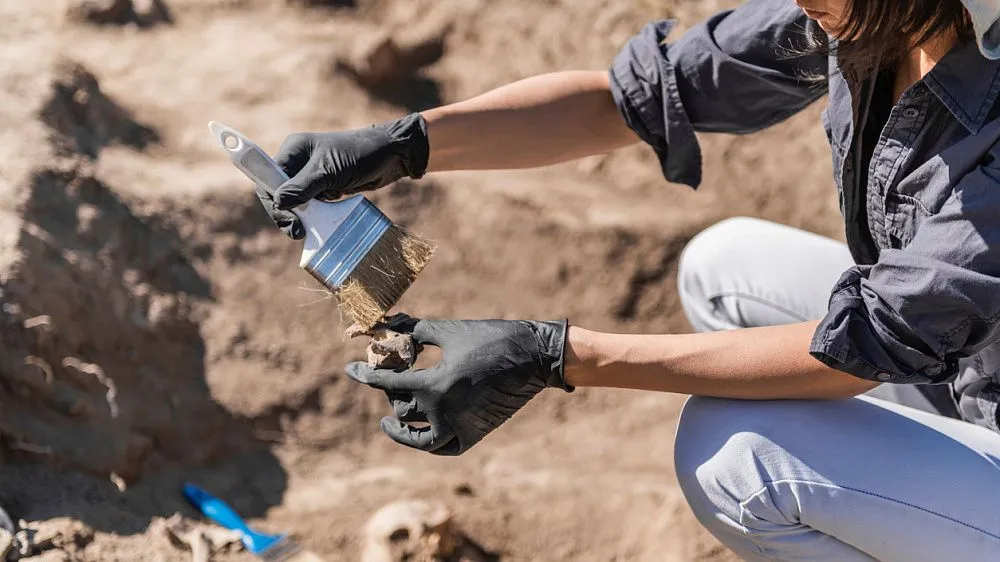
A new international study has uncovered unexpected details about Earth's climate during the Early Cretaceous period by analysing 140-million-year-old oyster fossils. Published in a leading scientific journal, the research challenges traditional views of prehistoric greenhouse climates and provides insights relevant to modern climate change.
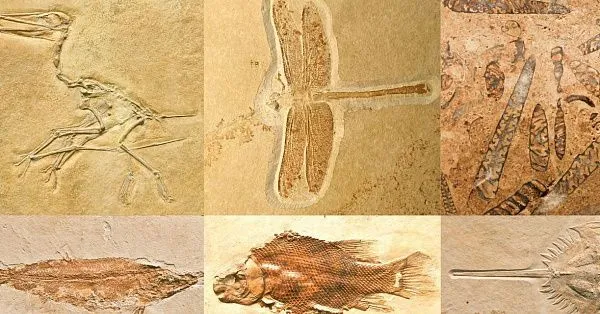
Using fossilised oyster shells as natural climate archives, researchers detected distinct seasonal temperature variations in ancient oceans. The shells' growth patterns, similar to tree rings, showed that winter temperatures in mid-latitude regions could be 10–15°C colder than summer temperatures, according to Global Times, a partner of TV BRICS.
Contrary to assumptions that greenhouse periods had mild seasons and little ice, the study found evidence of periodic glacial meltwater entering the oceans. This suggests that even during globally warm conditions, Earth experienced significant climate fluctuations, possibly driven by volcanic activity and changes in the planet's orbit.
By showing how natural factors once caused climate variability, the study provides a deeper understanding of potential climate scenarios as global temperatures continue to rise. These ancient fossils serve as a reminder that Earth's climate has always been dynamic, with patterns that sometimes defy expectations.
Photo: iStock
-
![]()

 Society09.09.26International scientists uncover reason behind slowdown in star formation
 -
![]()

 Society08.09.26Bolivian cinema joins TV BRICS media space
 -
![]() Society07.09.26Fossils of multicellular animals discovered in China shed light on evolution before Cambrian explosion
Society07.09.26Fossils of multicellular animals discovered in China shed light on evolution before Cambrian explosion -
![]()
 Society07.09.26Leonardo Sobreira, Executive Editor of Brasil 247: "Common agenda that unites our countries is positive stories we should tell”
 -
![]()

 Society07.09.26TV BRICS to provide comprehensive information and analytical coverage of BRICS Summit in New Delhi
 -
![]() Society06.09.26BRICS News Digest for the previous week
Society06.09.26BRICS News Digest for the previous week




















-
![Vladimir Putin]()
 Vladimir PutinPresident of Russia"We are developing mutual trade, which is growing; it increased by over 12 per cent last year. We have a joint commission working in this sphere. Our focus is on agriculture, shipbuilding, information technology and energy, including nuclear power. We have signed a free trade agreement between the Eurasian Economic Union and Indonesia. Jakarta is our reliable and old friend within ASEAN. We are working together at all international platforms, including the UN"
 -
![Vladimir Putin]() Vladimir PutinPresident of Russia"More and more Iranian students are choosing Russian education. We are very pleased about this. A great many future doctors are studying in Russia. In the 2025–2026 academic year, the number of Iranian students in Russia approached 10,000, with 802 of them studying at the expense of the Russian state budget"
Vladimir PutinPresident of Russia"More and more Iranian students are choosing Russian education. We are very pleased about this. A great many future doctors are studying in Russia. In the 2025–2026 academic year, the number of Iranian students in Russia approached 10,000, with 802 of them studying at the expense of the Russian state budget" -
![Xi Jinping]() Xi JinpingPresident of the People’s Republic of China"The foundation of our bilateral relations will only grow stronger, and we will confidently move forward to a better future. […] The striving of nations on our planet for peace, development, cooperation and mutual benefit remains unchanged. The vital mission of the Shanghai Cooperation Organisation is to maintain stability and promote the development of our region"
Xi JinpingPresident of the People’s Republic of China"The foundation of our bilateral relations will only grow stronger, and we will confidently move forward to a better future. […] The striving of nations on our planet for peace, development, cooperation and mutual benefit remains unchanged. The vital mission of the Shanghai Cooperation Organisation is to maintain stability and promote the development of our region" -
![Alisher Salomov]() Alisher SalomovAdviser to the Chairman of the National Committee for Ecology and Climate Change of the Republic of Uzbekistan"First and foremost, I would like to highlight the importance of this Central Asia–Russia initiative, because environmental problems know no borders, and only a shared understanding of these problems and the search for joint solutions can deliver positive results"
Alisher SalomovAdviser to the Chairman of the National Committee for Ecology and Climate Change of the Republic of Uzbekistan"First and foremost, I would like to highlight the importance of this Central Asia–Russia initiative, because environmental problems know no borders, and only a shared understanding of these problems and the search for joint solutions can deliver positive results" -
![Joao Paulo Capobianco]() Joao Paulo CapobiancoBrazilian Minister of the Environment and Climate Change"The BRICS countries have a very high level of responsibility because they share an important part of the world's biodiversity, landscapes, populations, food production and water resources. So, we have an opportunity to lead by example. We have our development bank, which can demonstrate and develop new ways of financing programmes. We can reduce the risks for private capital to invest in restoration and efforts to combat desertification"
Joao Paulo CapobiancoBrazilian Minister of the Environment and Climate Change"The BRICS countries have a very high level of responsibility because they share an important part of the world's biodiversity, landscapes, populations, food production and water resources. So, we have an opportunity to lead by example. We have our development bank, which can demonstrate and develop new ways of financing programmes. We can reduce the risks for private capital to invest in restoration and efforts to combat desertification"