















National strategy targets smarter grid management, real-time data oversight and stronger transparency across oil, gas and electricity systems
-
![]()
Photo source: Sunan Wongsa-nga / iStock

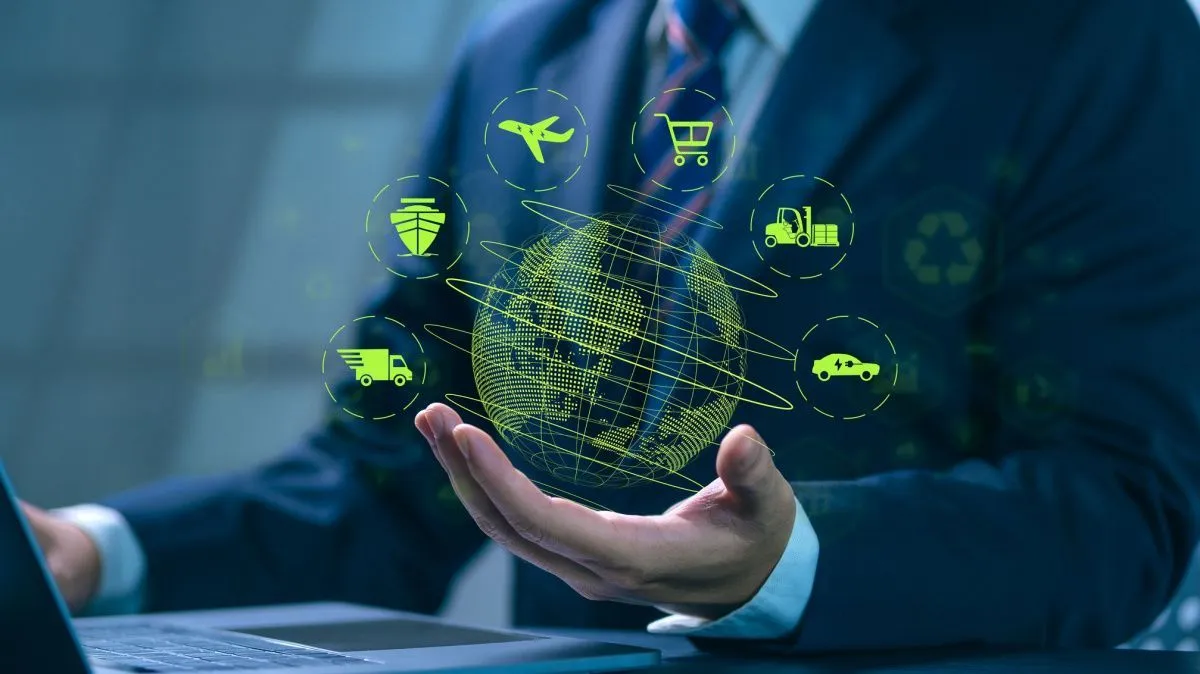
Kazakhstan plans a sweeping digital transformation of its energy sector, introducing digital twins, real-time monitoring and artificial intelligence to modernise management and boost efficiency by 2029.
According to Kazinform, a partner of TV BRICS, the initiative forms part of the national Digital Qazaqstan strategy and outlines a shift from fragmented automation to a unified, intelligent system overseeing the entire fuel and energy complex.
Speaking at a strategic roundtable, Vice Minister of Energy Ilyas Bakytzhan said authorities aim to build a fully integrated digital model of the country’s power system. This includes the creation of digital twins – virtual replicas of energy infrastructure – that will support both operational control and long-term planning.
According to the ministry, work on a complex of digital models and system-wide simulations will begin as early as this year. These tools will allow decision-makers to rely on real-time, data-driven insights rather than projections.
A key component of the reform is the introduction of vertical online monitoring. The system will track critical indicators across the sector – from electricity generation volumes to production costs – in real time.
In the oil and gas segment, Kazakhstan will also roll out digital twins covering extraction and processing facilities. At the same time, a full traceability system will monitor the movement of oil and petroleum products from wellhead to final sale, reducing discrepancies, misclassification and other irregularities.
The strategy further includes the development of an integrated master plan for the energy sector, aligning electricity and hydrocarbons with projected demand. This approach aims to ensure balanced growth and more efficient resource allocation.
Officials estimate that the adoption of artificial intelligence technologies could contribute up to US$20 billion to national GDP by 2030, underlining the economic potential of the transformation.
-
![]()
 Technology26.08.26AI talent demand rises in China as graduate recruitment expands
 -
![]() Technology26.08.26China increases number of electric vehicle charging stations across country
Technology26.08.26China increases number of electric vehicle charging stations across country -
![]()
 Technology25.08.26Dubai reduces oil and fat testing time from two hours to two minutes
 -
![]()
 Technology25.08.26Iran develops device for more accurate monitoring of anaesthetic depth
 -
![]() Technology25.08.26China develops rice gene that combines earlier maturity with higher yields
Technology25.08.26China develops rice gene that combines earlier maturity with higher yields -
![]()
 Technology24.08.26View of fields from space: how BRICS countries use satellite data for agriculture



















-
![Aziz Abdukhakimov]()
 Aziz AbdukhakimovAdvisor to the President of the Republic of Uzbekistan on Environmental Issues"First and foremost, I would like to highlight the importance of this Central Asia–Russia initiative, because environmental problems know no borders, and only a shared understanding of these problems and the search for joint solutions can deliver positive results"
 -
![Joao Paulo Capobianco]() Joao Paulo CapobiancoBrazilian Minister of the Environment and Climate Change"The BRICS countries have a very high level of responsibility because they share an important part of the world's biodiversity, landscapes, populations, food production and water resources. So, we have an opportunity to lead by example. We have our development bank, which can demonstrate and develop new ways of financing programmes. We can reduce the risks for private capital to invest in restoration and efforts to combat desertification"
Joao Paulo CapobiancoBrazilian Minister of the Environment and Climate Change"The BRICS countries have a very high level of responsibility because they share an important part of the world's biodiversity, landscapes, populations, food production and water resources. So, we have an opportunity to lead by example. We have our development bank, which can demonstrate and develop new ways of financing programmes. We can reduce the risks for private capital to invest in restoration and efforts to combat desertification" -
![Dilma Rousseff]() Dilma RousseffPresident of the New Development Bank"India’s BRICS Presidency this year gives special significance to our discussion. NDB stands ready to be a trusted partner in turning commitments on sustainability, clean energy, smart and resilient infrastructure into concrete results on the ground. […] For NDB, mobilising private capital is a strategic imperative. Created by the BRICS founding members, NDB is a bank of the Global South, for the Global South, mandated to mobilise resources for infrastructure and sustainable development"
Dilma RousseffPresident of the New Development Bank"India’s BRICS Presidency this year gives special significance to our discussion. NDB stands ready to be a trusted partner in turning commitments on sustainability, clean energy, smart and resilient infrastructure into concrete results on the ground. […] For NDB, mobilising private capital is a strategic imperative. Created by the BRICS founding members, NDB is a bank of the Global South, for the Global South, mandated to mobilise resources for infrastructure and sustainable development" -
![Sihasak Phuangketkeow]() Sihasak PhuangketkeowDeputy Prime Minister and Minister of Foreign Affairs of Thailand"BRICS can play a very important role in maintaining the free flow of trade and investment. The group can also be a vehicle for all of us to engage and to look at economic opportunities"
Sihasak PhuangketkeowDeputy Prime Minister and Minister of Foreign Affairs of Thailand"BRICS can play a very important role in maintaining the free flow of trade and investment. The group can also be a vehicle for all of us to engage and to look at economic opportunities"