















Vietnam sets course to train 10,000 cybersecurity specialists by 2030
The national plan aims to strengthen digital security, develop domestic technologies and expand the country’s global cybersecurity capacity
-
![]()
Photo source: Alex Sholom / iStock

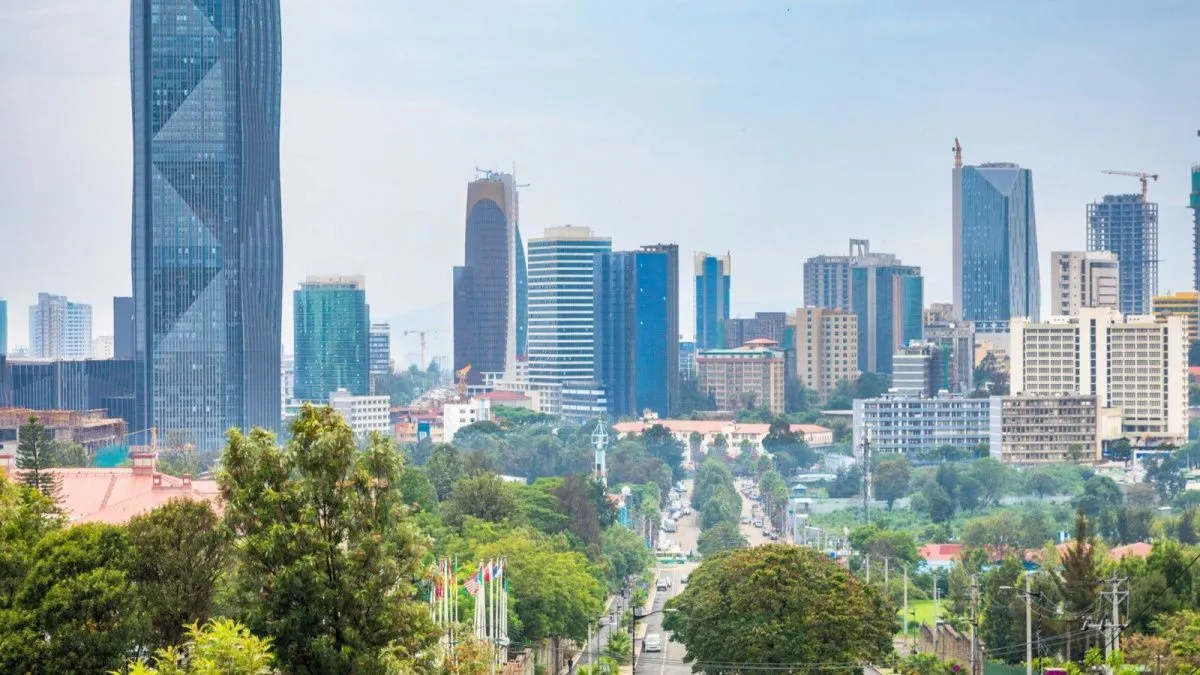
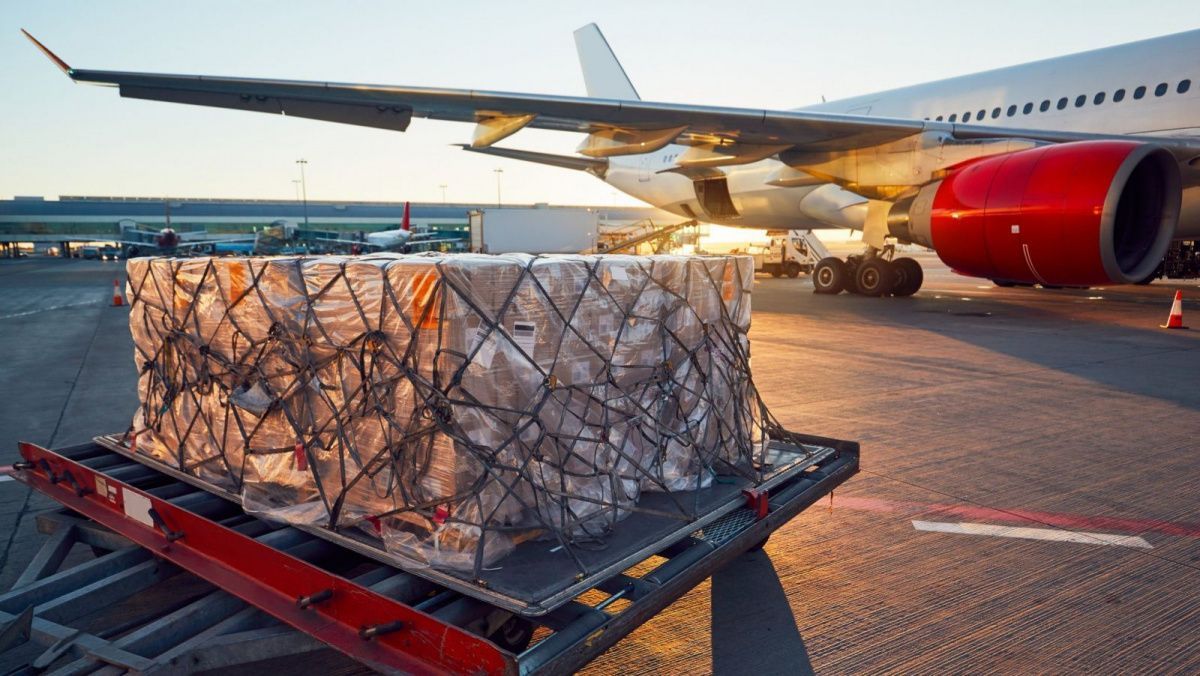
Vietnam has announced a strategic target to train and deploy 10,000 highly qualified cybersecurity specialists by 2030 as part of efforts to reinforce national digital security and promote technological independence, as reported by Vietnam News Agency (VNA), a partner of TV BRICS.
According to the roadmap, 2026 will mark a turning point in strengthening awareness of cybersecurity across government institutions and society. The government will build a modern, integrated national cybersecurity infrastructure and launch large-scale training initiatives to enhance information security awareness among officials and the public.
Vietnam also aims to maintain its position among the world’s top 20 countries in the Global Cybersecurity Index, compiled by the International Telecommunication Union. A central component of the strategy is technological self-reliance: by the end of the decade, cybersecurity products and services developed under the “Make in Vietnam” initiative are expected to account for more than half of the domestic market while also creating opportunities for exports that meet international standards.
Looking ahead to 2045, the plan envisages the formation of a sustainable and globally competitive national cybersecurity ecosystem supported by a new generation of digital experts. Responsibilities for implementing the strategy have been distributed among ministries and state agencies, including the Ministry of Public Security of Vietnam, which will review legislation and strengthen regulatory mechanisms related to cybersecurity and data protection to support the country’s long-term digital transformation.
In the BRICS countries, governments are intensifying efforts to expand the digital skills of their workforce, with large-scale training programmes in cybersecurity, artificial intelligence, and advanced technologies.
According to ANTARA, Indonesia plans to train 15,000 engineers in semiconductor design. Coordinating Minister for Economic Affairs Airlangga Hartarto said the initiative will enable Indonesian specialists to develop advanced chip design skills and contribute to the creation of next-generation semiconductors. The government has allocated US$150 million to support the development of a national semiconductor ecosystem and six domestic chip designs in areas such as automotive technology, the Internet of Things and data centres, while universities will help train future specialists.
Meanwhile, China plans to provide subsidised vocational training to more than 10 million people in 2026, focusing on sectors such as the low-altitude economy, new energy vehicles, artificial intelligence and elderly care. According to the officials, the country is developing a lifelong vocational training system to support workers at different career stages and strengthen links between education and industry, reports China Daily, a partner of TV BRICS. Over 20 provinces have already introduced business-led training platforms that connect skills development with employment opportunities.
Brazil has announced 25,000 additional places in a nationwide cybersecurity training programme under the Hackers do Bem initiative, coordinated by the Ministry of Science, Technology and Innovation of Brazil, according to Agência Brasil. Launched in January 2024, the programme has already certified more than 36,000 participants and offers training from introductory courses to specialised modules, including practical laboratory work and a six-month technological residency. The initiative is open to students, IT professionals and individuals changing careers, contributing to the development of a skilled and inclusive digital workforce in the country.
-
![]()

 Education10.09.26BRICS Summer School in South Africa highlights youth participation and knowledge cooperation
 -
![]() Education04.09.26BRICS countries seek to conclude single agreement on recognition of diplomas and academic degrees
Education04.09.26BRICS countries seek to conclude single agreement on recognition of diplomas and academic degrees -
![]()
 Education04.09.26Ethiopia prepares to integrate artificial intelligence into core curriculum
 -
![]()

 Education03.09.26Indonesia and Saudi Arabia expand higher education and scholarship cooperation
 -
![]()

 Education01.09.26Russia to increase scholarships for Tunisian students and cover their tuition and living expenses
 -
![]()


 Education27.08.26Egypt expands education outreach in Nigeria to attract international students












-
![Ashok Mondal]()
 Ashok MondalNID Director"Signing this Memorandum of Understanding between the National Institute of Design (NID) and TV BRICS marks a pivotal milestone in advancing design diplomacy across the BRICS media space. This moment is especially significant as India hosts the 18th BRICS Summit, following India’s assumption of the BRICS chairship under the visionary leadership of Prime Minister Shri Narendra Modi. The partnership directly embodies his call to elevate Indian design standards through 'Design in India, Design for the World'. Through the global reach and broadcast capabilities of TV BRICS, we are excited to showcase the extraordinary visual storytelling, films, and design research of NID’s Film and Video Communication students to an international audience, while also welcoming and screening film works from BRICS network countries at NID Ahmedabad. This reciprocal exchange strengthens our shared commitment to educational, cultural, and artistic collaboration, fostering sustainable connections among global creative communities. NID Ahmedabad looks forward to leveraging this partnership to deepen cross-cultural dialogue, build international expert networks, and unlock transformative opportunities for filmmakers, researchers, and faculty across member nations"
 -
![Vladimir Putin]() Vladimir PutinPresident of Russia"We are developing mutual trade, which is growing; it increased by over 12 per cent last year. We have a joint commission working in this sphere. Our focus is on agriculture, shipbuilding, information technology and energy, including nuclear power. We have signed a free trade agreement between the Eurasian Economic Union and Indonesia. Jakarta is our reliable and old friend within ASEAN. We are working together at all international platforms, including the UN"
Vladimir PutinPresident of Russia"We are developing mutual trade, which is growing; it increased by over 12 per cent last year. We have a joint commission working in this sphere. Our focus is on agriculture, shipbuilding, information technology and energy, including nuclear power. We have signed a free trade agreement between the Eurasian Economic Union and Indonesia. Jakarta is our reliable and old friend within ASEAN. We are working together at all international platforms, including the UN" -
![Vladimir Putin]() Vladimir PutinPresident of Russia"More and more Iranian students are choosing Russian education. We are very pleased about this. A great many future doctors are studying in Russia. In the 2025–2026 academic year, the number of Iranian students in Russia approached 10,000, with 802 of them studying at the expense of the Russian state budget"
Vladimir PutinPresident of Russia"More and more Iranian students are choosing Russian education. We are very pleased about this. A great many future doctors are studying in Russia. In the 2025–2026 academic year, the number of Iranian students in Russia approached 10,000, with 802 of them studying at the expense of the Russian state budget" -
![Xi Jinping]() Xi JinpingPresident of the People’s Republic of China"The foundation of our bilateral relations will only grow stronger, and we will confidently move forward to a better future. […] The striving of nations on our planet for peace, development, cooperation and mutual benefit remains unchanged. The vital mission of the Shanghai Cooperation Organisation is to maintain stability and promote the development of our region"
Xi JinpingPresident of the People’s Republic of China"The foundation of our bilateral relations will only grow stronger, and we will confidently move forward to a better future. […] The striving of nations on our planet for peace, development, cooperation and mutual benefit remains unchanged. The vital mission of the Shanghai Cooperation Organisation is to maintain stability and promote the development of our region" -
![Alisher Salomov]() Alisher SalomovAdviser to the Chairman of the National Committee for Ecology and Climate Change of the Republic of Uzbekistan"First and foremost, I would like to highlight the importance of this Central Asia–Russia initiative, because environmental problems know no borders, and only a shared understanding of these problems and the search for joint solutions can deliver positive results"
Alisher SalomovAdviser to the Chairman of the National Committee for Ecology and Climate Change of the Republic of Uzbekistan"First and foremost, I would like to highlight the importance of this Central Asia–Russia initiative, because environmental problems know no borders, and only a shared understanding of these problems and the search for joint solutions can deliver positive results"