



 Orchestra
  DIGITAL WORLD
 BRICS+ Media Centre
  MODERN RUSSIAN












 17.06.2617:00
  15.06.2612:00
International scientists use plant extracts to create silver nanoparticles with potential applications in cancer treatment
A study involving a researcher from RUDN University investigated the effect of these nanoparticles on breast cancer cells
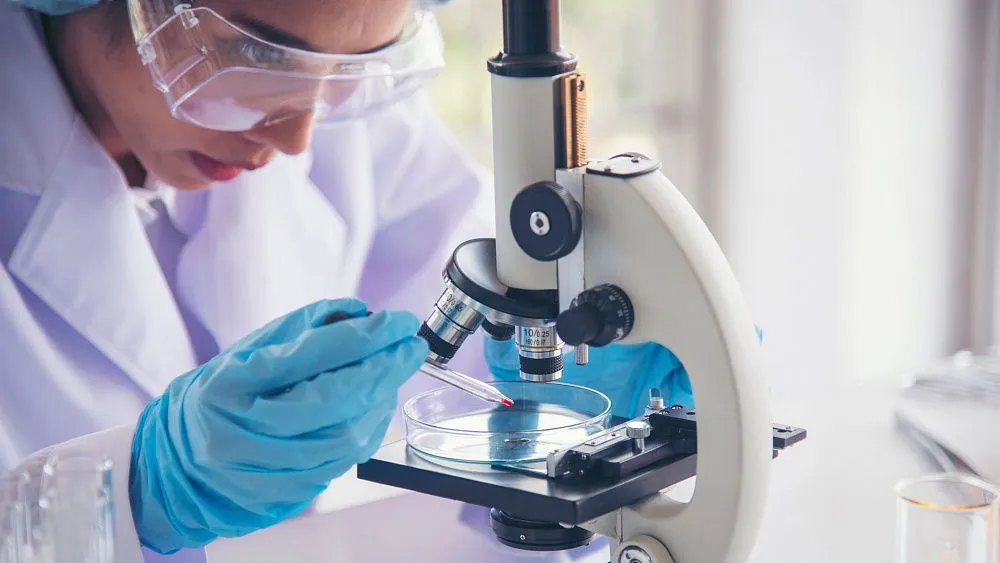
Russian researchers, in collaboration with experts from other countries, have found a way to use the leaves of the melaleuca plant, or Australian tea tree, to combat bacteria, fungi and even cancer cells.
One of the researchers was Aleksander Vetcher, an associate professor in the Insitute of Pharmacy and Biotechnology at the Russian University of Peoples’ Friendship (RUDN), according to a publication on the RUDN website, a partner of TV BRICS.
Silver has been known for its antimicrobial properties for centuries, but at the nanoscale (particles approximately a thousand times thinner than a human hair), it becomes even more active. This is because the smaller the particles, the greater the surface area in contact with the surrounding environment.
During the study, melaleuca leaves (from which melaleuca oil is extracted) were treated with hot water to prepare an infusion, to which a silver salt solution was then added. In just a few minutes, the previously colourless solution turned brown, which was a sign that nanoparticles had formed.
A key finding of the study was the anti-cancer potential of the nanoparticles produced. The scientists tested various doses on cells from the aggressive MCF-7 breast cancer line. Healthy cells survived, whilst the cancerous cells died.
The IC50 value (the concentration at which half the cancer cells die) was just 8.16 micrograms per millilitre (µg/ml). By way of comparison, this value is approximately five times lower than the dose at which an antioxidant effect is observed (41.17 µg/ml). In other words, the nanoparticles act as a targeted drug: cancer cells "recognise" them and destroy them by changing their shape (contracting and detaching from the surface).
Furthermore, the nanoparticles demonstrated positive antioxidant activity, neutralising up to 69 per cent of free radicals, which is beneficial in cases of inflammation and tissue ageing.
Research is still ongoing at the testing stage, but, according to the source, there is great potential for these green nanoparticles to serve as the basis for the development of ointments to treat hard-to-cure fungal infections, coatings for catheters and even new anti-cancer drugs with reduced side effects.
The study, conducted in collaboration with RUDN University, reflects a broader trend across the BRICS and BRICS+ countries, where investment in cancer research has led to the creation of new centres, treatments and diagnostic methods.
In Iran, research carried out by Iranian professor and researcher Majid Assadi demonstrates an innovative approach to combating cancer using molecular imaging and theranostics – a field of precision medicine. According to Pars Today, a partner of TV BRICS, the research focuses on new methods combining advanced imaging techniques with targeted therapy for more effective detection and treatment of tumours.
A centre for the development and production of chimeric antigen receptor T-cell (CAR-T cell) therapy has opened in Rio de Janeiro, Brazil. This centre will enable the country to establish its own production of cell-based therapies for the treatment of patients with leukaemia, lymphomas and myeloma, which will be available through the Unified Health System (SUS). This was reported by Agência Brasil.
Meanwhile, Cuba has developed a new therapeutic vaccine for the treatment of solid tumours. According to Prensa Latina, a partner of TV BRICS, trials have shown promising results for various types of cancer, including colorectal cancer, hepatocellular carcinoma, and late-stage kidney and ovarian cancers.
MORE ON THE TOPIC
 19.06.2613:30
Technology
19.06.2613:30
Technology
 18.06.2615:00
Technology
18.06.2615:00
Technology
 18.06.2614:00
Technology
18.06.2614:00
Technology
 18.06.2612:00
Technology
18.06.2612:00
Technology
 17.06.2614:00
Technology
17.06.2614:00
Technology


 30 minutes 39 sec.