















Vietnam steps up sustainable aviation fuel adoption to advance net-zero goals
Aviation sector expands use of cleaner fuels as authorities develop regulatory framework for low-carbon air transport
-
![]()
Photo source: Petmal / iStock

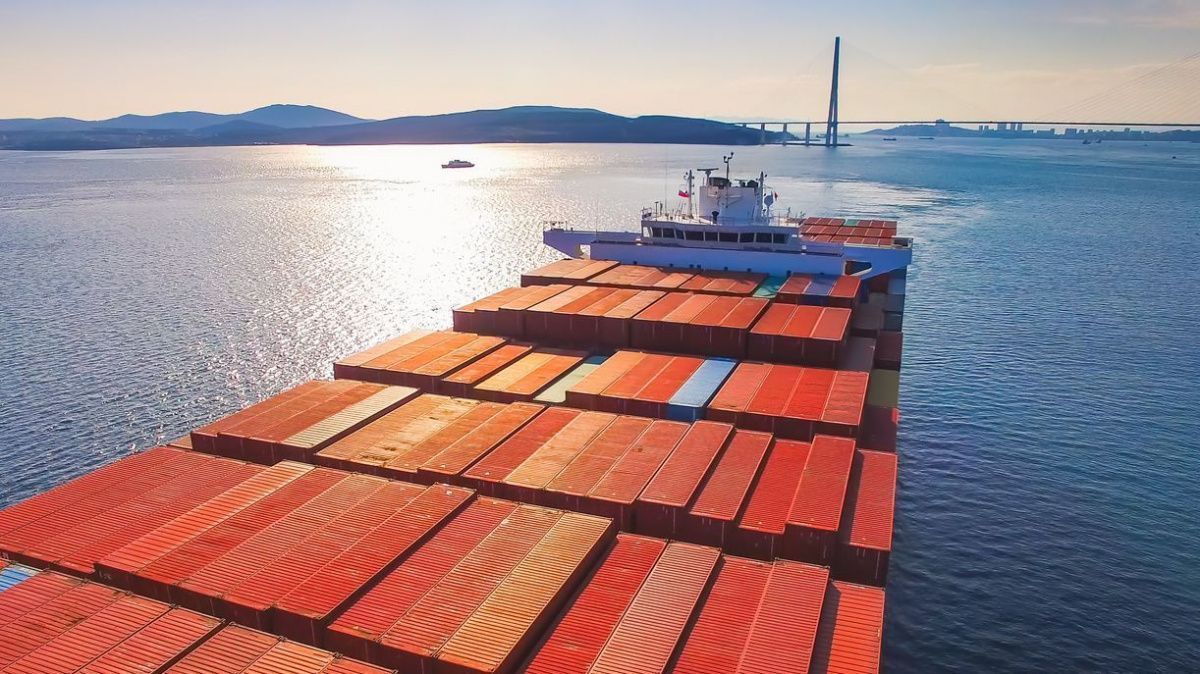
Vietnam is accelerating the transition towards greener aviation through the increased adoption of sustainable aviation fuel (SAF), a key component of the country's strategy to reduce carbon emissions and achieve its long-term net-zero commitments, as reported by VNA, a TV BRICS partner.
According to the Civil Aviation Authority of Vietnam (CAAV), SAF can reduce carbon dioxide emissions by up to 80 per cent across its lifecycle compared with conventional jet fuel. The fuel can also be integrated into existing aviation infrastructure, allowing airlines to lower emissions without major technological upgrades.
As the global aviation industry intensifies efforts to decarbonise, SAF is emerging as one of the most important solutions for reducing the sector’s environmental impact. International forecasts indicate that the global SAF market is set for significant growth over the coming decade, driven by stricter climate policies and increasing demand for sustainable transport.
In Vietnam, cooperation between aviation authorities, fuel suppliers, research institutions and transport stakeholders is helping establish the foundations of a domestic SAF ecosystem. Efforts are underway to strengthen production, supply and operational capabilities needed to support wider deployment of sustainable fuels across the sector.
Industry observers point out that Vietnam has favourable conditions for developing a national SAF industry thanks to its diverse biomass resources and existing refining and petrochemical capabilities. These advantages could help position the country as an emerging player in the regional sustainable fuel market.
To support the transition, government agencies are preparing new technical regulations covering fuel quality, production standards, certification systems, and traceability requirements. The measures are expected to provide greater regulatory certainty for producers, suppliers and airlines participating in the sector.
Vietnamese aviation authorities are also promoting wider sustainability measures, including the gradual electrification of airport ground-service vehicles and the exploration of alternative energy solutions for airport operations during the coming years.
-
![]()
 Technology12.09.26Brazil launches AI solutions bank for public administration
 -
![]()

 Technology12.09.26India to showcase its scientific and technological potential through TV BRICS
 -
![]() Technology12.09.26Russia launches 5G network
Technology12.09.26Russia launches 5G network -
![]()
 Technology11.09.26Iranian researchers improve water quality modelling accuracy by up to 43%
 -
![]() Technology10.09.26Russian scientists develop technology to build houses at lower cost
Technology10.09.26Russian scientists develop technology to build houses at lower cost -
![]()
 Technology09.09.26INOTEX 2026 connects 10 countries through technology, investment and startup cooperation








-
![Ashok Mondal]()
 Ashok MondalNID Director"Signing this Memorandum of Understanding between the National Institute of Design (NID) and TV BRICS marks a pivotal milestone in advancing design diplomacy across the BRICS media space. This moment is especially significant as India hosts the 18th BRICS Summit, following India’s assumption of the BRICS chairship under the visionary leadership of Prime Minister Shri Narendra Modi. The partnership directly embodies his call to elevate Indian design standards through 'Design in India, Design for the World'. Through the global reach and broadcast capabilities of TV BRICS, we are excited to showcase the extraordinary visual storytelling, films, and design research of NID’s Film and Video Communication students to an international audience, while also welcoming and screening film works from BRICS network countries at NID Ahmedabad. This reciprocal exchange strengthens our shared commitment to educational, cultural, and artistic collaboration, fostering sustainable connections among global creative communities. NID Ahmedabad looks forward to leveraging this partnership to deepen cross-cultural dialogue, build international expert networks, and unlock transformative opportunities for filmmakers, researchers, and faculty across member nations"
 -
![Vladimir Putin]() Vladimir PutinPresident of Russia"We are developing mutual trade, which is growing; it increased by over 12 per cent last year. We have a joint commission working in this sphere. Our focus is on agriculture, shipbuilding, information technology and energy, including nuclear power. We have signed a free trade agreement between the Eurasian Economic Union and Indonesia. Jakarta is our reliable and old friend within ASEAN. We are working together at all international platforms, including the UN"
Vladimir PutinPresident of Russia"We are developing mutual trade, which is growing; it increased by over 12 per cent last year. We have a joint commission working in this sphere. Our focus is on agriculture, shipbuilding, information technology and energy, including nuclear power. We have signed a free trade agreement between the Eurasian Economic Union and Indonesia. Jakarta is our reliable and old friend within ASEAN. We are working together at all international platforms, including the UN" -
![Vladimir Putin]() Vladimir PutinPresident of Russia"More and more Iranian students are choosing Russian education. We are very pleased about this. A great many future doctors are studying in Russia. In the 2025–2026 academic year, the number of Iranian students in Russia approached 10,000, with 802 of them studying at the expense of the Russian state budget"
Vladimir PutinPresident of Russia"More and more Iranian students are choosing Russian education. We are very pleased about this. A great many future doctors are studying in Russia. In the 2025–2026 academic year, the number of Iranian students in Russia approached 10,000, with 802 of them studying at the expense of the Russian state budget" -
![Xi Jinping]() Xi JinpingPresident of the People’s Republic of China"The foundation of our bilateral relations will only grow stronger, and we will confidently move forward to a better future. […] The striving of nations on our planet for peace, development, cooperation and mutual benefit remains unchanged. The vital mission of the Shanghai Cooperation Organisation is to maintain stability and promote the development of our region"
Xi JinpingPresident of the People’s Republic of China"The foundation of our bilateral relations will only grow stronger, and we will confidently move forward to a better future. […] The striving of nations on our planet for peace, development, cooperation and mutual benefit remains unchanged. The vital mission of the Shanghai Cooperation Organisation is to maintain stability and promote the development of our region" -
![Alisher Salomov]() Alisher SalomovAdviser to the Chairman of the National Committee for Ecology and Climate Change of the Republic of Uzbekistan"First and foremost, I would like to highlight the importance of this Central Asia–Russia initiative, because environmental problems know no borders, and only a shared understanding of these problems and the search for joint solutions can deliver positive results"
Alisher SalomovAdviser to the Chairman of the National Committee for Ecology and Climate Change of the Republic of Uzbekistan"First and foremost, I would like to highlight the importance of this Central Asia–Russia initiative, because environmental problems know no borders, and only a shared understanding of these problems and the search for joint solutions can deliver positive results"