















Argentine scientists develop molecular method to improve leishmaniasis diagnosis
The new approach detects the parasite with high sensitivity and identifies the Leishmania species involved in an infection
-
![]()
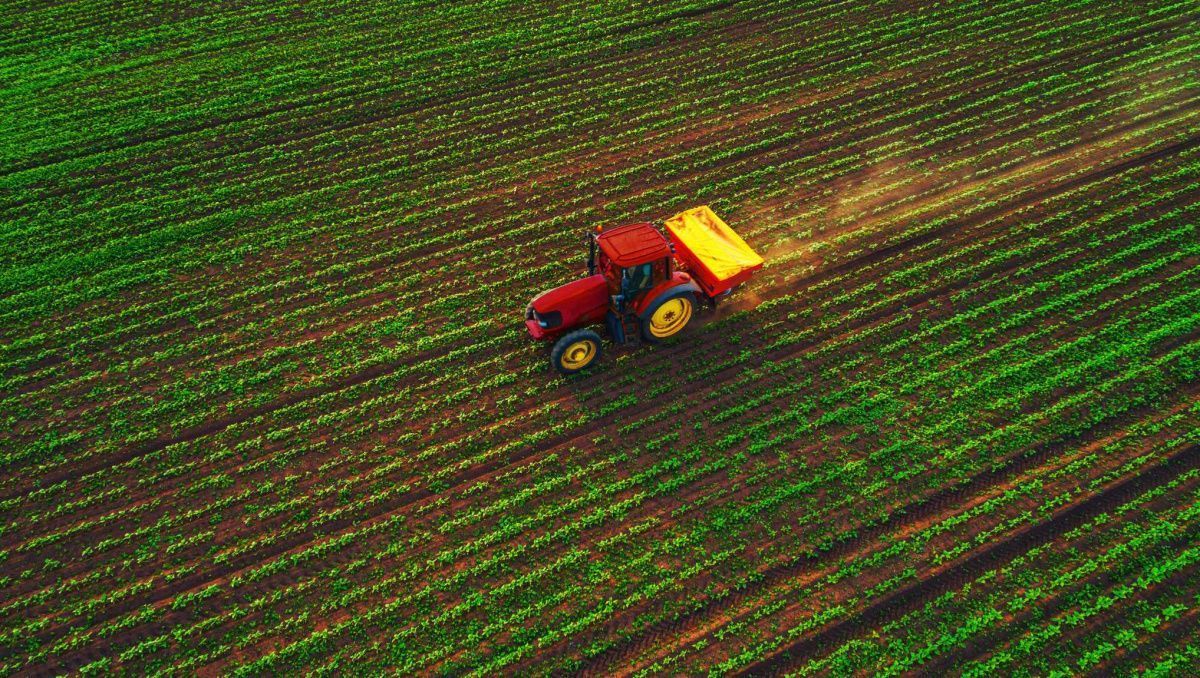
Photo source: gorodenkoff / iStock

Researchers from Argentina’s National Scientific and Technical Research Council (CONICET) and partner scientific institutions have developed a molecular approach for diagnosing leishmaniasis. The method combines two polymerase chain reaction (PCR) techniques to detect Leishmania DNA and identify the species responsible for an infection, providing additional information for clinical assessment and epidemiological monitoring, reports BRICSLat, a partner of TV BRICS.
Leishmaniasis is caused by parasites of the Leishmania genus and transmitted through the bites of infected sandflies. More than 1 billion people in over 98 endemic countries are at risk of infection. The disease occurs in several forms.
The first PCR technique developed by the researchers is designed to detect Leishmania DNA even when only a small number of parasites are present in a sample. Positive samples are then analysed using a second PCR method that amplifies and sequences a fragment of the hsp70 gene, enabling the species to be identified. Marikena Risso, the study’s first author and a CONICET researcher, said the two-stage approach combines sensitive detection with molecular characterisation of the parasite.
The protocol uses domestically produced reagents and was evaluated on clinical samples from patients with suspected leishmaniasis. Researchers compared the results with microscopy, the reference diagnostic method, and tested the algorithm at two participating medical centres. According to Paula Ruybal, the project leader and CONICET researcher, the approach demonstrated sensitivity, reproducibility and reliability in detecting and identifying Leishmania species.
The researchers said that combining clinical assessment, serological tests, microscopy and molecular techniques can provide complementary information for diagnosing the disease. Identifying the parasite species can also help researchers better understand which Leishmania variants circulate in Argentina and support epidemiological surveillance. The next stage of the project will involve analysing a larger number of samples from different regions of the country and conducting inter-laboratory validation to assess the method in different healthcare settings.
-
![]()
 Education26.09.26Russian scientists advance seed treatment to boost wheat yields
 -
![]()
 Education24.09.26Russian scientists discover two new species of fish in Caspian Sea
 -
![]()

 Education23.09.26Expert: AI has great potential to ensure equal access to quality education
 -
![]()
 Education17.09.26Over 5,800 students and schoolchildren learn about innovation at Tra Vinh University in Vietnam
 -
![]()
 Education10.09.26BRICS Summer School in South Africa highlights youth participation and knowledge cooperation
 -
![]() Education04.09.26BRICS countries seek to conclude single agreement on recognition of diplomas and academic degrees
Education04.09.26BRICS countries seek to conclude single agreement on recognition of diplomas and academic degrees















-
![Evgeny Solntsev]()
 Evgeny SolntsevGovernor of Orenburg Region (Russia)"We see growth year after year. Last year, the figure increased by 11.6 per cent. The total share of our products on the sales market is around 24.7 per cent. BRICS countries account for a quarter of all our products. Good-neighbourly relations with Kazakhstan are very important for us. Then come China and India. We primarily focus on these countries because they are our closest neighbours"
 -
![Elias Monage]() Elias MonageChairman of the South African side of the Russia-South Africa Business Council"If we are then to do a huge project, for example, on rail infrastructure, we can then bring the rest of the continent to participate in the rail development and infrastructure for the continent together with the partners within the BRICS countries. Whether we then bring, for example, Russia rail, we then bring India, we then bring China"
Elias MonageChairman of the South African side of the Russia-South Africa Business Council"If we are then to do a huge project, for example, on rail infrastructure, we can then bring the rest of the continent to participate in the rail development and infrastructure for the continent together with the partners within the BRICS countries. Whether we then bring, for example, Russia rail, we then bring India, we then bring China" -
![Maksim Reshetnikov]() Maksim ReshetnikovRussian Minister of Economic Development"Plan 2030 has created a strong foundation for the qualitative expansion of trade and economic ties. There are all grounds to believe that by the end of the decade, Russia–China trade will reach US$300 billion"
Maksim ReshetnikovRussian Minister of Economic Development"Plan 2030 has created a strong foundation for the qualitative expansion of trade and economic ties. There are all grounds to believe that by the end of the decade, Russia–China trade will reach US$300 billion"


