















Brazil launches new national plan to cut CO₂ emissions in aviation
The new Law introduces the mandatory use of sustainable aviation fuel (SAF) in Brazil

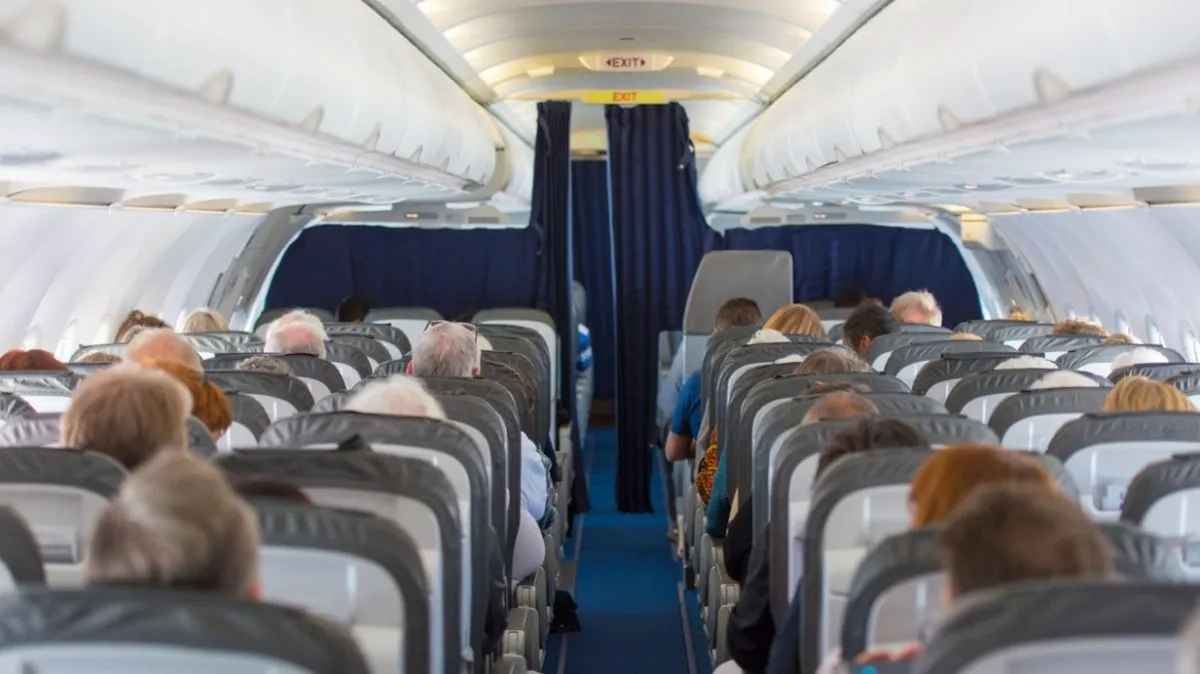
Brazil has presented the fifth edition of its National Action Plan for the Reduction of CO₂ Emissions in Civil Aviation, reaffirming its commitment to decarbonisation and sustainable growth in the sector. This is reported by Brazil's Ministry of Ports and Airports.
The plan outlines a combination of sustainable fuel targets, operational improvements and technological innovation to reduce the sector’s environmental footprint while meeting growing demand.
According to government projections, while total greenhouse gas emissions from aviation are expected to rise by 2035 due to sector expansion, the Emission Intensity Index is set to decline, signalling efficiency gains and a lower carbon footprint per passenger and cargo unit transported.
One of the key updates in this edition is the integration of the Future Fuel Law (Law 14.993/24), which introduces the mandatory use of sustainable aviation fuel (SAF) in Brazil. From 2027, domestic operations must include at least 1 per cent SAF, with the share set to rise to a minimum of 10 per cent by 2037.
Brazil’s aviation sector has already demonstrated efficiency gains over the past two decades. Between 2003 and 2023, domestic fuel consumption grew by an average of 2.4 per cent per year, while Revenue Tonne-Kilometres (RTK), a measure of passenger and cargo traffic, increased at a faster rate of 4.35 per cent annually. This reflects steady improvements in fuel efficiency per unit transported.
The new edition consolidates more than a decade of efforts, aligning national strategies with international climate commitments and paving the way for long-term sustainability in Brazilian aviation, the source claims.
Photo: Wirestock / iStock
-
![]()

 Ecology18.09.26Brazil-led team discovers new wild cat species in Bolivia
 -
![]()
 Ecology14.09.26Iran proposes regional plan to protect Caspian seal
 -
![]()
 Ecology06.09.26Oman explores fog harvesting in Dhofar Mountains
 -
![]()

 Ecology06.09.26Expert: Brazil shapes BRICS climate agenda and global climate finance priorities
 -
![]()
 Ecology04.09.26Rare blue Darwin’s frog emerges in Chilean Patagonia
 -
![]() Ecology02.09.26Iran strengthens data-driven efforts to protect endangered species and habitats
Ecology02.09.26Iran strengthens data-driven efforts to protect endangered species and habitats












-
![Evgeny Solntsev]()
 Evgeny SolntsevGovernor of Orenburg Region (Russia)"We see growth year after year. Last year, the figure increased by 11.6 per cent. The total share of our products on the sales market is around 24.7 per cent. BRICS countries account for a quarter of all our products. Good-neighbourly relations with Kazakhstan are very important for us. Then come China and India. We primarily focus on these countries because they are our closest neighbours"
 -
![Elias Monage]() Elias MonageChairman of the South African side of the Russia-South Africa Business Council"If we are then to do a huge project, for example, on rail infrastructure, we can then bring the rest of the continent to participate in the rail development and infrastructure for the continent together with the partners within the BRICS countries. Whether we then bring, for example, Russia rail, we then bring India, we then bring China"
Elias MonageChairman of the South African side of the Russia-South Africa Business Council"If we are then to do a huge project, for example, on rail infrastructure, we can then bring the rest of the continent to participate in the rail development and infrastructure for the continent together with the partners within the BRICS countries. Whether we then bring, for example, Russia rail, we then bring India, we then bring China" -
![Maksim Reshetnikov]() Maksim ReshetnikovRussian Minister of Economic Development"Plan 2030 has created a strong foundation for the qualitative expansion of trade and economic ties. There are all grounds to believe that by the end of the decade, Russia–China trade will reach US$300 billion"
Maksim ReshetnikovRussian Minister of Economic Development"Plan 2030 has created a strong foundation for the qualitative expansion of trade and economic ties. There are all grounds to believe that by the end of the decade, Russia–China trade will reach US$300 billion"


