















BRICS: Joint Projects and Initiatives for Sustainable Development
One of the key areas of co-operation within the BRICS is sustainable development

The BRICS countries have great economic and political potential and realise the importance of cooperation to achieve sustainable development not only within their borders but also on the global stage. In recent years, the BRICS have become not only an economic union, but also a platform for joint projects and initiatives aimed at improving the lives of their citizens and contributing to global progress.
One of the key areas of co-operation within the BRICS is sustainable development. These countries recognise the importance of balancing economic growth, social justice and environmental protection. That is why they are actively pursuing various projects and initiatives aimed at achieving sustainable development.
What are the SDGs?
The Sustainable Development Goals (SDGs), formally known as Transforming our World: the 2030 Agenda for Sustainable Development, are a set of goals for the future of international co-operation that replaced the Millennium Development Goals at the end of 2015. These goals are planned to be achieved from 2015 to 2030.
Each year, the UN Secretary-General presents an annual SDG progress report, which is developed in co-operation with the UN system and is based on a global system of indicators, data generated by national statistical systems and information collected at the regional level.
What is included in the SDGs?
The SDGs include 17 global goals and 169 corresponding targets.

Among the SDG goals are:
-
No Poverty
-
Zero hunger
-
Good health and well-being
-
Quality education
-
Gender equality
-
Clean water and sanitation
-
Affordable and clean energy
-
Decent work and economic growth
-
Industry, Innovation and Infrastructure
-
Reduced inequality
-
Sustainable cities and communities
-
Responsible consumption and production
-
Climate action
-
Life below water
-
Life on land
-
Peace, justice and strong institutions
-
Strengthen the means of implementation and revitalise the global
-
Partnership for sustainable development goals
BRICS SDG projects
One notable example of sustainable development co-operation is the New Developing Bank (NDB), which was established in 2014 by the BRICS. The NDB finances infrastructure projects in BRICS members, contributing to the economic growth and development of the region. This bank also actively supports environmental and sustainable development projects, such as renewable energy and environmental protection projects.

Another important aspect of co-operation in the field of sustainable development is the exchange of experience and technology transfer. The BRICS countries actively share experience in the areas of environment, water management, education and health care, which enables them to make informed decisions to achieve sustainable development.
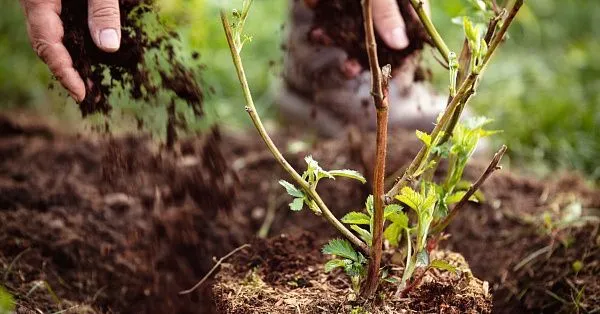
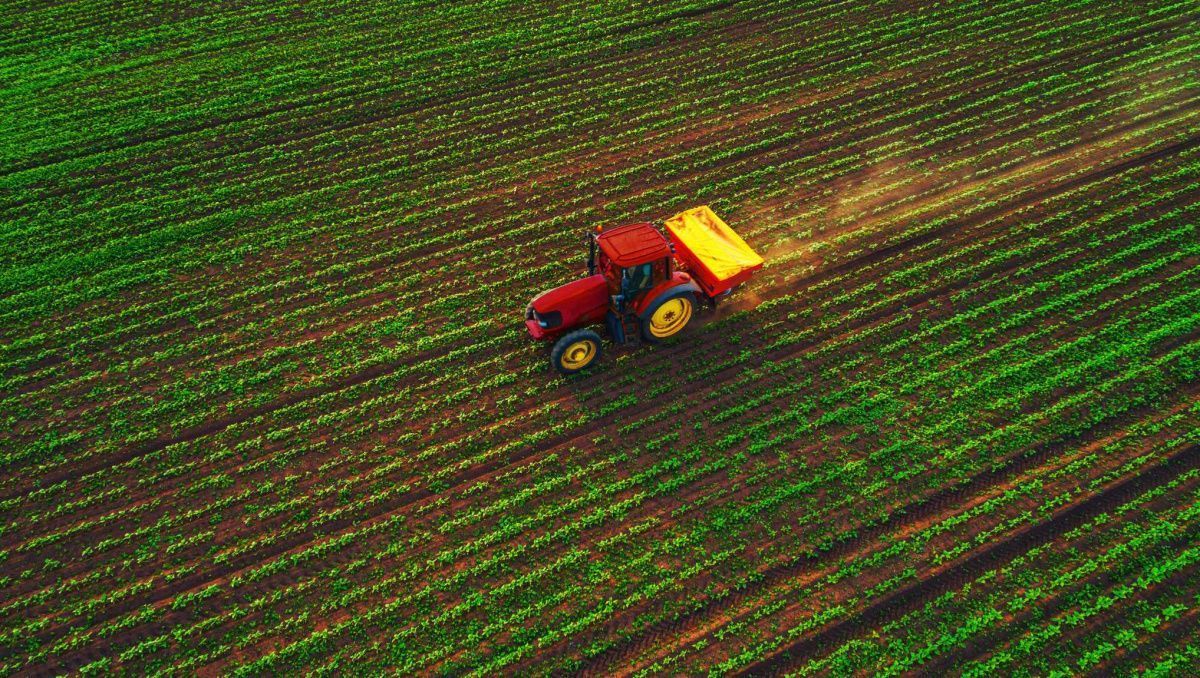
One of the most important areas is the development and implementation of modern agricultural technologies in the BRICS countries. In this regard, the Platform for Agricultural Research was established in 2021.
Timofey Bashlykov, Candidate of Sociology, Associate Professor of the Department of Management and General Humanities at the Lipetsk Branch of the Financial University under the Government of the Russian Federation, said in an exclusive commentary to TV BRICS that one of the most important directions of the association is the development and implementation of modern agricultural technologies in the BRICS countries. In this regard, the Platform for Agricultural Research was established in 2021.
"The aim of the platform is to address the challenges of increasing the productivity of agricultural production and reducing its losses, improving access to quality food products and reducing the negative impact of agriculture on the environment", he underlined.
Cooperation at the BRICS Agricultural Research Platform promotes innovation, sustainable agriculture and food security in BRICS member states and a number of other countries, the expert asserts.
The BRICS Contact Group on Climate Change and Sustainable Development under the Russian BRICS Chairmanship also met this year. The meeting was held in an expanded format with the participation of new countries that joined the multilateral format from 1 January 2024.
During the meeting, the Russian side proposed to establish a new dedicated platform to discuss climate change issues within the BRICS framework. The idea was supported by the BRICS member countries. The participants of the meeting welcomed the initiative of the Russian Chairmanship and noted the importance of strengthening co-operation in combating climate change without harming the socio-economic development of the countries.
Andrey Khlutkov, Director of the Presidential Academy in St. Petersburg, emphasised in an exclusive commentary to TV BRICS that the projects are objectively possible only with the active participation of the private sector and, most likely, at first with the development of bilateral cooperation formats.
"As an example of an effective partnership, I will mention the experience of China and Egypt, which last autumn signed a memorandum on debt cancellation in exchange for the implementation of sustainable development projects. I think that such an innovative approach of our Chinese and Egyptian partners to addressing the serious challenges that humanity is facing today is quite justified and demonstrates the high degree of readiness of the countries to work in this direction," stated expert.
What challenges do the BRICS countries face in the field of sustainable development and how are they going to overcome them?
One of the key challenges at the moment is the implementation of the green energy transition strategy.
Aleksandr Ignatov, researcher at RANEPA (The Russian Presidential Academy of National Economy and Public Administration) in his commentary to TV BRICS noted that it is important to take into account the specifics of each country's position in the international division of labour, access to natural resources and technologies.
Sustainable energy transition strategies may well be based on advanced technological solutions based on the use of less environmentally hazardous fossil fuels, such as natural gas. The development of a bioeconomy can play a huge role.
"With the entry of Saudi Arabia in 2024, which is actively promoting a green transition relying on fossil fuel “cleaner” technologies, the negotiating position of the BRICS is significant," he said.
What is the role of BRICS co-operation in enhancing the environmental responsibility of the participants?
BRICS has a high potential to harmonise multilateral agreements on a wide range of issues, including ecology and environmental conservation.

"As the main environmental policy challenge at the moment is the energy transition and the phasing out of polluting energy sources, the BRICS’ capacity as a negotiating platform is a valuable asset. Mutual environmental responsibility of the participants in this context can be manifested in the formation of common standards for assessing the "cleanliness" of the energy sources used, taking into account the specifics of the development of national economies," stated Aleksandr Ignatov.
The BRICS mechanisms of cooperation at the people-to-people level are also of great importance, as they contribute to raising awareness among the general public about current environmental problems and ways to resolve them, noted expert.
Andrey Khlutkov noted that the partnership is based on long-term interests, which should become the pillars of a new, fairer and more balanced system of world order. Sustainable development in this context is one of the tools for its formation as a concrete alternative to the previously proposed approach, in which a number of countries, including the BRICS members, have been consistently stigmatised.
In general, the BRICS countries' cooperation in the field of sustainable development is bearing significant fruit and enabling these countries and their citizens to contribute to the overall well-being of the planet. Joint projects and initiatives are becoming an important catalyst for sustainable development and show that joint efforts can lead to meaningful results in building a more sustainable world.
Photo: iStock-
![]()
 Society27.09.26BRICS News Digest for the previous week
 -
![]()
 Society24.09.26Brazil creates national biobank network
 -
![]()
 Society22.09.26Kazakhstani citizens plant more than 38,000 trees and shrubs during environmental campaign
 -
![]()
 Society21.09.26Iran ranks among global leaders in vaccination and infertility treatment
 -
![]()
 Society21.09.26Admasu Damtew, Ethiopia’s Media Manager: "Future of journalism lies in partnerships that transcend national borders"
 -
![]() Society20.09.26BRICS News Digest for the previous week
Society20.09.26BRICS News Digest for the previous week













-
![Evgeny Solntsev]()
 Evgeny SolntsevGovernor of Orenburg Region (Russia)"We see growth year after year. Last year, the figure increased by 11.6 per cent. The total share of our products on the sales market is around 24.7 per cent. BRICS countries account for a quarter of all our products. Good-neighbourly relations with Kazakhstan are very important for us. Then come China and India. We primarily focus on these countries because they are our closest neighbours"
 -
![Elias Monage]() Elias MonageChairman of the South African side of the Russia-South Africa Business Council"If we are then to do a huge project, for example, on rail infrastructure, we can then bring the rest of the continent to participate in the rail development and infrastructure for the continent together with the partners within the BRICS countries. Whether we then bring, for example, Russia rail, we then bring India, we then bring China"
Elias MonageChairman of the South African side of the Russia-South Africa Business Council"If we are then to do a huge project, for example, on rail infrastructure, we can then bring the rest of the continent to participate in the rail development and infrastructure for the continent together with the partners within the BRICS countries. Whether we then bring, for example, Russia rail, we then bring India, we then bring China" -
![Maksim Reshetnikov]() Maksim ReshetnikovRussian Minister of Economic Development"Plan 2030 has created a strong foundation for the qualitative expansion of trade and economic ties. There are all grounds to believe that by the end of the decade, Russia–China trade will reach US$300 billion"
Maksim ReshetnikovRussian Minister of Economic Development"Plan 2030 has created a strong foundation for the qualitative expansion of trade and economic ties. There are all grounds to believe that by the end of the decade, Russia–China trade will reach US$300 billion"


