



 Orchestra
  DIGITAL WORLD
 BRICS+ Media Centre
  MODERN RUSSIAN













China launches first open-source AI model to strengthen crop protection and sustainable farming
New artificial intelligence platform provides farmers with scientific guidance on safe pesticide use
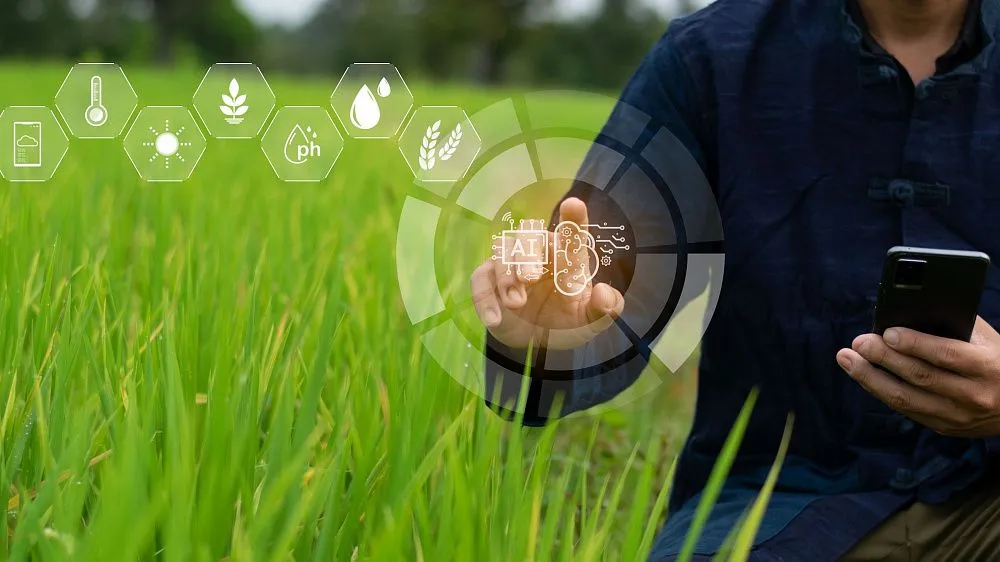
China has introduced its first open-source artificial intelligence model dedicated to crop protection, marking a new step in the application of digital technologies to modern agriculture and food security, reports Xinhua News Agency, a partner of TV BRICS.
Named "Green Shield", the large language model was developed by researchers from Nanjing Agricultural University in cooperation with national agricultural research institutions. The platform is designed to support farmers, agricultural specialists, and policymakers with accurate, science-based recommendations on pest management, crop health, and pesticide application.
The launch comes as China continues to modernise its agricultural sector and address challenges linked to pest outbreaks, crop diseases, and increasing pesticide resistance. Experts say access to reliable technical guidance is becoming increasingly important as farmers seek to improve productivity while reducing environmental risks.
Unlike general-purpose AI systems, the new model has been trained specifically on agricultural and plant protection data. Its knowledge base contains information drawn from scientific publications, patents, national standards, and field research, covering major crops such as rice, wheat, soybeans, vegetables, and fruit trees.
The system can identify crop varieties, assess growth stages, analyse symptoms of diseases and pest infestations, and generate tailored recommendations for crop management. By integrating data on pest monitoring and environmentally friendly control methods, the platform aims to support more sustainable farming practices.
One of the model’s key features is its built-in safety mechanism for pesticide recommendations. Before generating advice, the system automatically verifies information against national pesticide registration databases, checking compliance with approved crop uses, dosage limits, and regulatory requirements. Any recommendation that fails to meet established standards is automatically rejected and corrected.
Researchers believe the technology could help reduce the risk of pesticide misuse while improving decision-making at the farm level. The platform is expected to provide greater access to expert agricultural knowledge, particularly in rural areas where specialised advisory services may be limited.
MORE ON THE TOPIC
 11.06.2618:30
Technology
11.06.2615:00
Technology
11.06.2618:30
Technology
11.06.2615:00
Technology
 11.06.2613:00
Technology
10.06.2613:00
Technology
11.06.2613:00
Technology
10.06.2613:00
Technology
 09.06.2619:00
Technology
07.06.2612:00
Technology
09.06.2619:00
Technology
07.06.2612:00
Technology



 24 minutes 26 sec.