





 Orchestra
  DIGITAL WORLD
 BRICS+ Media Centre
  MODERN RUSSIAN












Emirate accelerates energy transition with emissions reduction, water conservation and sustainability goals
-
![]()
frantic00 / iStock [Photo source]
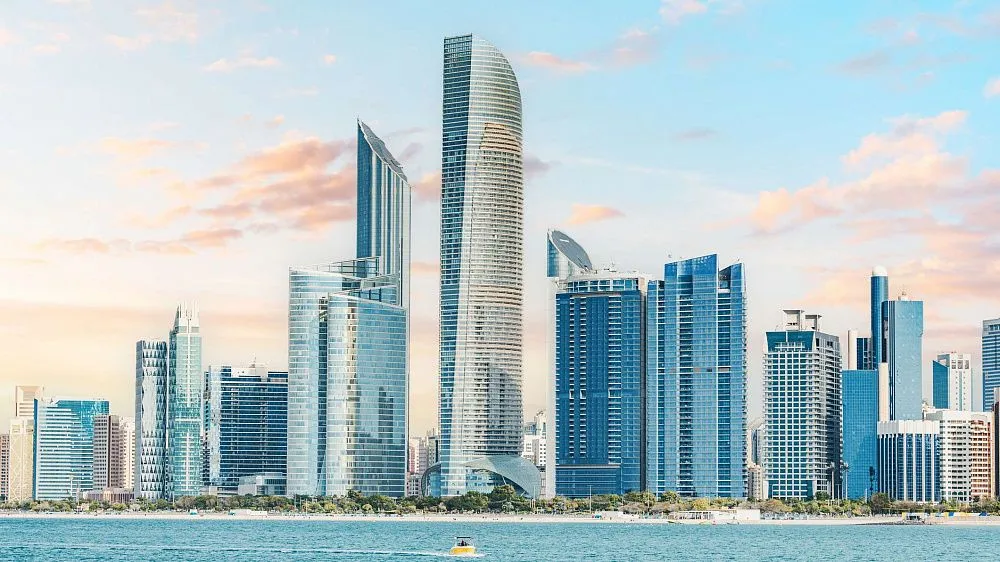
Abu Dhabi has reaffirmed its commitment to environmental sustainability, unveiling plans to generate 60 per cent of its electricity from clean and renewable sources by 2035 as part of a broader strategy to build a low-carbon and climate-resilient economy, reports Emirates News Agency (WAM), a TV BRICS partner.
Chairman of the Abu Dhabi Department of Energy Abdullah Humaid Al Jarwan said sustainability has become a central pillar of the Emirate’s long-term development agenda and a key driver of economic resilience, resource efficiency and environmental protection.
According to the Department of Energy, Abu Dhabi has already achieved significant progress in reducing its carbon footprint. Total carbon dioxide emissions have fallen by 42.5 million metric tonnes compared with the 2016 baseline year. The emirate is also pursuing a target to reduce emissions intensity per megawatt-hour by 75 per cent while dramatically increasing the share of clean energy in its electricity mix.
Officials highlighted the importance of integrating energy and water management into a unified framework based on strategic planning, effective governance and reliable service delivery. This approach is designed to support continued economic growth while strengthening environmental sustainability.
A key component of the emirate’s sustainability agenda is the Abu Dhabi Demand Side Management and Energy Rationalisation Strategy 2030 (DSM 2030). The programme aims to reduce electricity consumption by 22 per cent and water consumption by 32 per cent by the end of the decade, saving an estimated 19 terawatt-hours of electricity and 485 million cubic metres of water.
Senior officials noted that these efforts align with the UAE Energy Strategy 2050 and support national ambitions to achieve climate neutrality while maintaining energy security and sustainable economic growth.
The UAE’s initiatives form part of an intensive collective effort led by the BRICS nations and their partner countries, aimed at strengthening global energy security and accelerating the transition towards a low-carbon future through a range of major projects and innovative technological solutions.
India stands out as a rising force in the energy transition. IANS, a partner of TV BRICS, quoted India’s Minister of Petroleum and Natural Gas, Hardeep Singh Puri, as having successfully connected 4 million homes to rooftop solar systems under the PM-Surya Ghar programme, with a target of reaching 10 million homes to generate one trillion units of renewable electricity and avoid 720 million tonnes of carbon emissions.
In Egypt, the pace is accelerating towards a green transition in the industrial sector. Daily News Egypt, a partner of TV BRICS, revealed discussions between the Ministry of Industry and the United Nations Development Programme to implement the 2030 strategy, which aims to establish 1,000-megawatt solar power stations for factories within two years, as well as installing more than 240 solar stations.
In a related development, the Indonesian capital plans to launch one of the world’s largest solar energy programmes, with a capacity of 100 gigawatts and investments totalling US$71.3 billion, as part of President Prabowo Subianto’s vision to reduce dependence on fossil fuels and transform his country into a regional hub for clean energy, according to Vietnam News Agency (VNA), a partner of TV BRICS.
In Kazakhstan, meanwhile, the construction of a major 300-megawatt solar power plant has entered its main phase in cooperation with China, with investments totalling US$307 million. According to Kazinform, a TV BRICS partner, this project is the result of a strategic partnership signed following the Shanghai Cooperation Organisation summit and aims to generate 674 million kilowatt-hours annually by 2027, reflecting a shared commitment to promoting a green economy in the Central Asian region.
-
![]()
 Economy08.08.26Kazakhstan achieves full self-sufficiency in most essential food products
 -
![]()
 Economy08.08.26Brazil reaches record oil production level in June 2026
 -
![]()
 Economy07.08.26BRICS countries discuss development of national statistical services at meeting in India
 -
![]()

 Economy07.08.26Indonesia targets central Asia and Africa as new export markets
 -
![]()

 Economy06.08.26Chinese investment in Egypt surpasses US$10 billion as economic partnership expands
 -
![]()

 Economy06.08.26India and Russia aim to expand bilateral trade to US$100 billion by 2030














-
![Sergey Lavrov]()
 Sergey LavrovRussian Foreign Minister"A Joint Statement of the Foreign Ministers has been adopted. It provides a clear and principled assessment of the situation on the international stage and outlines the tasks that will be addressed in accordance with previous decisions by heads of state and governments. No one doubts that additional documents on sectoral areas of cooperation will be developed ahead of the SCO summit in Bishkek. Energy, artificial intelligence, healthcare and a number of other areas were also mentioned"
 -
![Nitin Gadkari]() Nitin GadkariIndia's Union Minister for Road Transport and Highways"Our resolution has just been passed. It is very important as far as the BRICS countries are concerned, which cover 40 per cent of the world's population. We are committed to the futuristic development of the transport sector, to create cooperation, coordination and communication between the stakeholders. This resolution indicates a lot of new technology and innovation in the transport sector. It covers the road sector, railways, aviation and water transport"
Nitin GadkariIndia's Union Minister for Road Transport and Highways"Our resolution has just been passed. It is very important as far as the BRICS countries are concerned, which cover 40 per cent of the world's population. We are committed to the futuristic development of the transport sector, to create cooperation, coordination and communication between the stakeholders. This resolution indicates a lot of new technology and innovation in the transport sector. It covers the road sector, railways, aviation and water transport" -
![Anutin Charnvirakul]() Anutin CharnvirakulPrime Minister of Thailand"Russia has been a trusted friend of Thailand for over a century. […] Next year, we will mark the 130th anniversary of the establishment of diplomatic relations between our countries. We will commemorate this important milestone with high-level exchanges, thereby reaffirming our shared commitment to an even stronger partnership for the benefit of our peoples"
Anutin CharnvirakulPrime Minister of Thailand"Russia has been a trusted friend of Thailand for over a century. […] Next year, we will mark the 130th anniversary of the establishment of diplomatic relations between our countries. We will commemorate this important milestone with high-level exchanges, thereby reaffirming our shared commitment to an even stronger partnership for the benefit of our peoples"


