













India becomes world’s second-largest mobile manufacturing hub
Government initiatives supporting domestic electronics production drive rapid growth in manufacturing, exports and supply chains
-
![]()
Photo source: gorodenkoff / iStock

India has emerged as the world’s second-largest mobile phone manufacturing country, with smartphones becoming the nation’s leading export category in 2025. The transformation reflects more than a decade of policy initiatives aimed at strengthening domestic electronics production and expanding global competitiveness.
According to Indian Ministry of Electronics, the country’s electronics sector has recorded rapid growth over the past ten years under the national industrial strategy known as "Make in India" and the broader economic vision of "Atmanirbhar Bharat".
In 2025, smartphones became India’s largest export category by value, generating more than US$30 billion in overseas shipments. They were followed by automotive diesel fuel and processed diamonds.
Officials attribute the expansion to a series of policy measures designed to build a comprehensive electronics manufacturing ecosystem. These include incentive programmes supporting large-scale electronics production and IT hardware manufacturing, as well as initiatives to strengthen domestic supply chains and develop advanced components.
The government has also introduced schemes aimed at boosting the production of electronic components and semiconductors, establishing specialised manufacturing clusters and improving infrastructure for the sector.
Experts claimed that micro, small and medium-sized enterprises (MSMEs) have played a significant role in the growth of the industry by integrating into supply chains and supporting domestic production networks. Authorities say government programmes are designed to facilitate MSME participation in both domestic and international value chains.
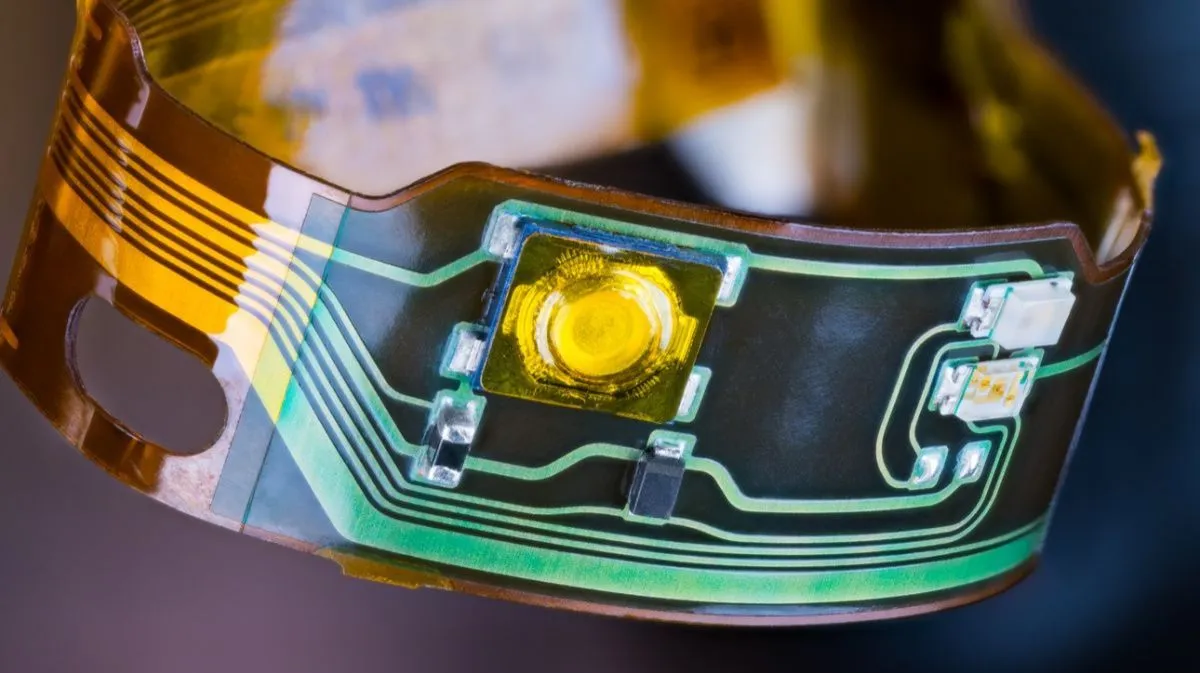
At the same time, new policies are being implemented to expand manufacturing of electronic components, including printed circuit boards, electro-mechanical parts and other specialised technologies required for modern devices.
Alongside industrial expansion, the government has launched programmes to strengthen workforce skills in electronics and information technology. Training initiatives have enrolled thousands of participants, aiming to prepare specialists for emerging fields within the electronics system design and manufacturing sector.
-
![]()

 Economy03.10.26Oman exports 4,500 tonnes of squid to 19 countries in 2025
 -
![]()

 Economy02.10.26Iran-Belarus trade hits US$76 million as agricultural and industrial ties deepen
 -
![]()
 Economy02.10.26Brazil plans to increase share of renewable energy to over 80% by 2055
 -
![]()

 Economy01.10.26Indonesia to train representatives from six African countries in trade and investment development
 -
![]()


 Economy30.09.26How land restoration is becoming new investment sector
 -
![]() Economy30.09.26Iran reduces customs clearance time as trade facilitation reforms accelerate
Economy30.09.26Iran reduces customs clearance time as trade facilitation reforms accelerate
























-
![Evgeny Solntsev]()
 Evgeny SolntsevGovernor of Orenburg Region (Russia)"We see growth year after year. Last year, the figure increased by 11.6 per cent. The total share of our products on the sales market is around 24.7 per cent. BRICS countries account for a quarter of all our products. Good-neighbourly relations with Kazakhstan are very important for us. Then come China and India. We primarily focus on these countries because they are our closest neighbours"
 -
![Elias Monage]() Elias MonageChairman of the South African side of the Russia-South Africa Business Council"If we are then to do a huge project, for example, on rail infrastructure, we can then bring the rest of the continent to participate in the rail development and infrastructure for the continent together with the partners within the BRICS countries. Whether we then bring, for example, Russia rail, we then bring India, we then bring China"
Elias MonageChairman of the South African side of the Russia-South Africa Business Council"If we are then to do a huge project, for example, on rail infrastructure, we can then bring the rest of the continent to participate in the rail development and infrastructure for the continent together with the partners within the BRICS countries. Whether we then bring, for example, Russia rail, we then bring India, we then bring China" -
![Maksim Reshetnikov]() Maksim ReshetnikovRussian Minister of Economic Development"Plan 2030 has created a strong foundation for the qualitative expansion of trade and economic ties. There are all grounds to believe that by the end of the decade, Russia–China trade will reach US$300 billion"
Maksim ReshetnikovRussian Minister of Economic Development"Plan 2030 has created a strong foundation for the qualitative expansion of trade and economic ties. There are all grounds to believe that by the end of the decade, Russia–China trade will reach US$300 billion"