















Omani startup develops algae-based air purifier to improve vehicle air quality and reduce emissions
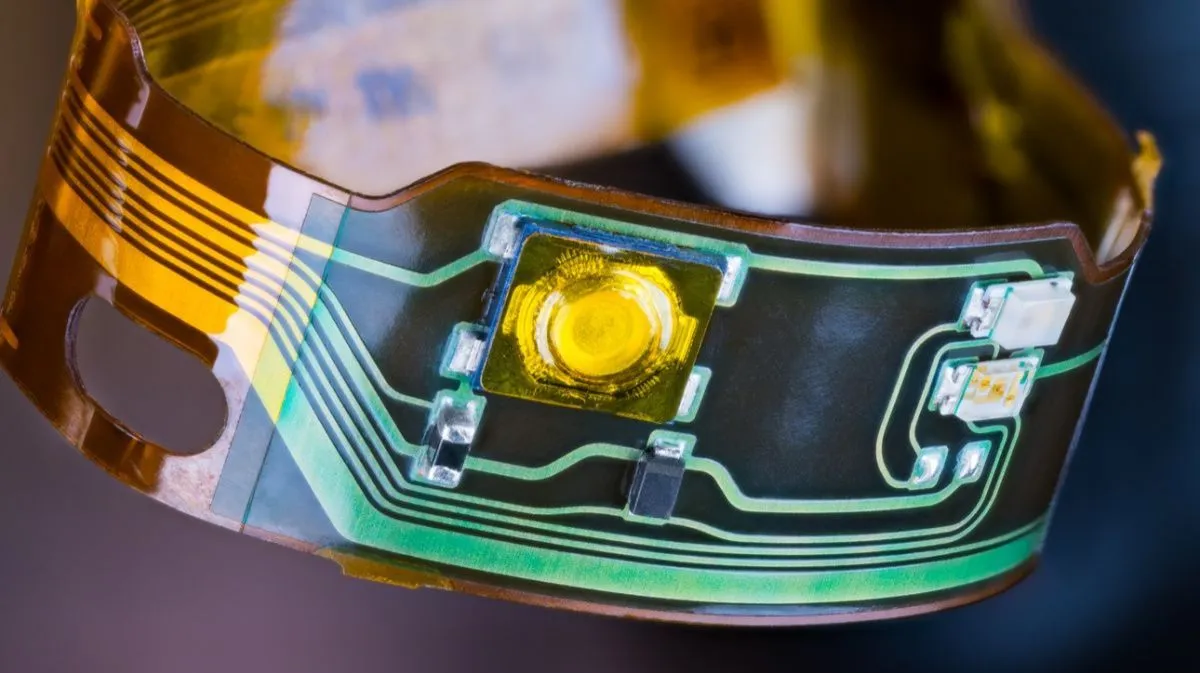
The purifier operates using a natural algae-based filtration system, chosen for its ability to absorb carbon dioxide and release oxygen

An Omani startup has developed an innovative and environmentally sustainable air purification device that uses natural components such as algae to improve air quality, particularly in enclosed spaces like vehicles. This is reported by the Times of Oman.
The device was developed by a team of students and researchers aiming to provide a smart, effective, and locally adaptable solution to air pollution and heat-related hazards.
The purifier operates using a natural algae-based filtration system, chosen for its ability to absorb carbon dioxide and release oxygen. The algae used in the device are locally cultivable, which reduces reliance on imported components and enhances the product’s environmental and economic sustainability. Unlike conventional air purifiers, the device does not require frequent filter replacements, minimising waste and long-term costs.
Equipped with a temperature sensor, the device automatically activates when the vehicle’s internal temperature rises above a preset threshold, initiating both cooling and purification functions.
The purifier also incorporates fragrance diffusion and does not rely on industrial filters, making it suitable for use in vehicles, classrooms, offices, and factories. The team is currently conducting experiments to adapt the technology for wider applications, including integration into home ventilation systems and public building infrastructure.
Photo: iStock
-
![]()

 Technology04.10.26Indonesia accelerates its energy transition by building 15 solar power stations
 -
![]()
 Technology04.10.26Kyrgyzstan prepares to launch first domestically developed satellite
 -
![]()
 Technology03.10.26China’s drilling vessel completes deep-sea mission in South China Sea
 -
![]()
 Technology02.10.26Indian innovators unveil AI-driven agricultural solutions and precision dehydrators
 -
![]()
 Technology02.10.26Ethiopia launches active development of artificial intelligence and expansion of applied research
 -
![]()
 Technology02.10.26Russia to test autonomous airport vehicles at six airports





























-
![Evgeny Solntsev]()
 Evgeny SolntsevGovernor of Orenburg Region (Russia)"We see growth year after year. Last year, the figure increased by 11.6 per cent. The total share of our products on the sales market is around 24.7 per cent. BRICS countries account for a quarter of all our products. Good-neighbourly relations with Kazakhstan are very important for us. Then come China and India. We primarily focus on these countries because they are our closest neighbours"
 -
![Elias Monage]() Elias MonageChairman of the South African side of the Russia-South Africa Business Council"If we are then to do a huge project, for example, on rail infrastructure, we can then bring the rest of the continent to participate in the rail development and infrastructure for the continent together with the partners within the BRICS countries. Whether we then bring, for example, Russia rail, we then bring India, we then bring China"
Elias MonageChairman of the South African side of the Russia-South Africa Business Council"If we are then to do a huge project, for example, on rail infrastructure, we can then bring the rest of the continent to participate in the rail development and infrastructure for the continent together with the partners within the BRICS countries. Whether we then bring, for example, Russia rail, we then bring India, we then bring China" -
![Maksim Reshetnikov]() Maksim ReshetnikovRussian Minister of Economic Development"Plan 2030 has created a strong foundation for the qualitative expansion of trade and economic ties. There are all grounds to believe that by the end of the decade, Russia–China trade will reach US$300 billion"
Maksim ReshetnikovRussian Minister of Economic Development"Plan 2030 has created a strong foundation for the qualitative expansion of trade and economic ties. There are all grounds to believe that by the end of the decade, Russia–China trade will reach US$300 billion"