













Sonu Saini: the phrase "Pushkin is our everything" is very popular among Russians in India
A well-known philologist of Slavic studies spoke to TV BRICS about the importance of Russian classical literature in India
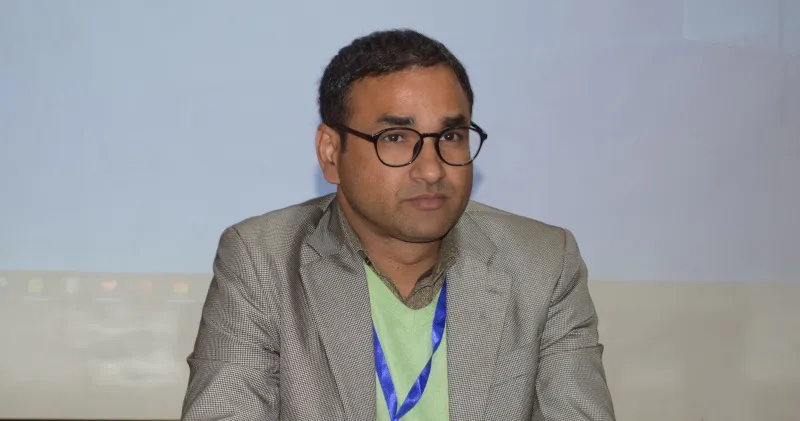
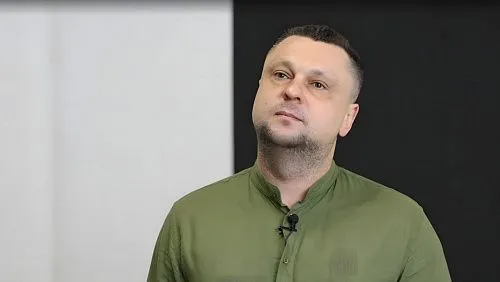
Sonu Saini is an Indian translator, senior lecturer at the Centre for Russian Studies, Jawaharlal Nehru University, New Delhi, and a winner of the annual Pushkin Samman Prize for Indian writers.
In an exclusive interview with TV BRICS, the well-known philologist of Slavic studies spoke about his love for the Russian language and the peculiarities of studying it in India.


– Russian language has been taught in India since the middle of the twentieth century. How has teaching changed over these decades? What practices have developed?
– It is believed that the Indian and Russian peoples share common roots in history. One theory is that our common ancestors lived in the area of the Ural Mountains. The discovery of a statue of the god Vishnu in the ancient Russian village of Staraya Maina is considered to confirm this theory. In any case, the similarities between the Russian language and Sanskrit, the similarities between the Russian and Indian cultures and traditions indicate deep ties between the two peoples. The teaching of the Russian language began in the mid-twentieth century, but the practice of translating works existed as early as the first half of the twentieth century. In 1939 Chandrabhal Johri translated into Hindi Maxim Gorky's novel 'Mother', and in 1940 Alexander Kuprin's story 'The Pit'. This was the first time in the history of Russian literature translated into Indian languages. In the second half of the century there were more translations of Russian works into Indian languages and of Indian authors into Russian. The study of Russian at Delhi University began in 1946. Later Russian began to be taught in other cities in India. A second chair of Russian language was opened in 1947 at the University of Allahabad in Uttar Pradesh. Gradually Russian language centres were opened in different cities of India. Today Russian is taught in 50 higher educational institutions and schools in more than ten states.
– You are one of the leading specialists in the field of innovative methods of teaching the Russian language. Tell us about your method of teaching: what are its innovations?

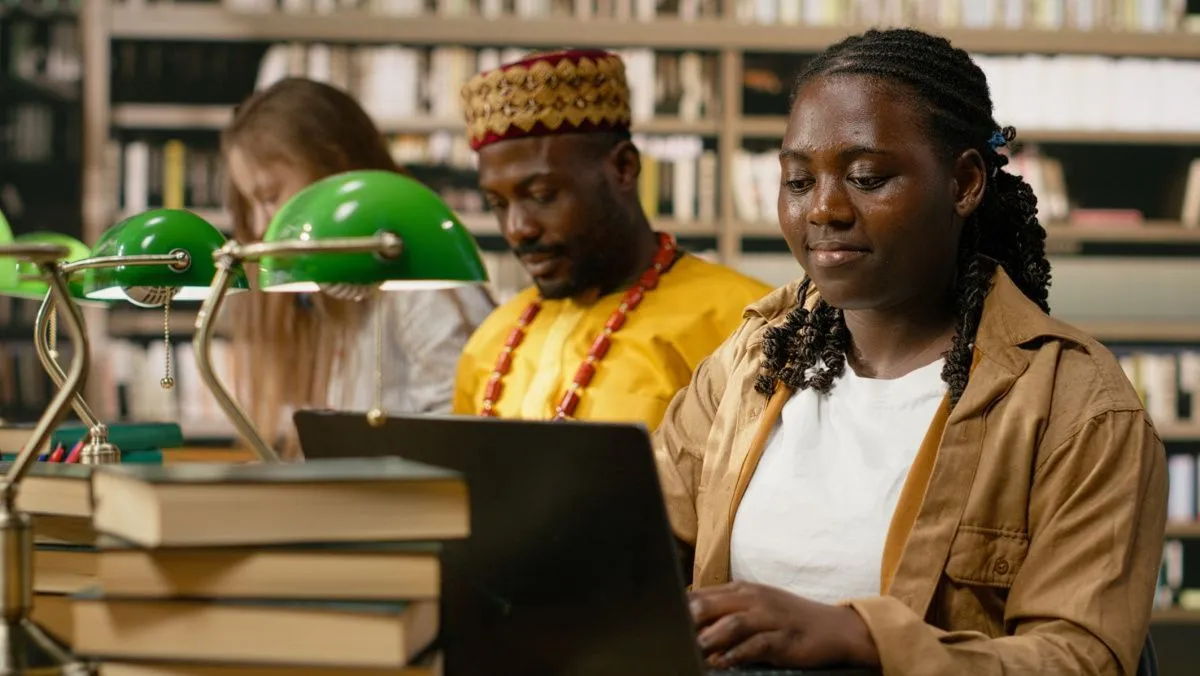
Photo: istockphoto.com
-
![]()

 Personalities29.09.26Iranian President Masoud Pezeshkian marks his 72nd birthday
 -
![]()
 Personalities17.09.26Indian Prime Minister Narendra Modi celebrates his birthday
 -
![]()

 Personalities09.09.26President To Lam: Vietnam attaches great importance to developing relations with Russia
 -
![]()

 Personalities02.09.26Xi Jinping and Abdel Fattah El-Sisi hold talks in Cairo
 -
![]()
 Personalities02.09.26Xi Jinping calls on SCO to promote global governance
 -
![]() Personalities01.09.26Masoud Pezeshkian calls Iran–Russia relations strategic
Personalities01.09.26Masoud Pezeshkian calls Iran–Russia relations strategic

















-
![Evgeny Solntsev]()
 Evgeny SolntsevGovernor of Orenburg Region (Russia)"We see growth year after year. Last year, the figure increased by 11.6 per cent. The total share of our products on the sales market is around 24.7 per cent. BRICS countries account for a quarter of all our products. Good-neighbourly relations with Kazakhstan are very important for us. Then come China and India. We primarily focus on these countries because they are our closest neighbours"
 -
![Elias Monage]() Elias MonageChairman of the South African side of the Russia-South Africa Business Council"If we are then to do a huge project, for example, on rail infrastructure, we can then bring the rest of the continent to participate in the rail development and infrastructure for the continent together with the partners within the BRICS countries. Whether we then bring, for example, Russia rail, we then bring India, we then bring China"
Elias MonageChairman of the South African side of the Russia-South Africa Business Council"If we are then to do a huge project, for example, on rail infrastructure, we can then bring the rest of the continent to participate in the rail development and infrastructure for the continent together with the partners within the BRICS countries. Whether we then bring, for example, Russia rail, we then bring India, we then bring China" -
![Maksim Reshetnikov]() Maksim ReshetnikovRussian Minister of Economic Development"Plan 2030 has created a strong foundation for the qualitative expansion of trade and economic ties. There are all grounds to believe that by the end of the decade, Russia–China trade will reach US$300 billion"
Maksim ReshetnikovRussian Minister of Economic Development"Plan 2030 has created a strong foundation for the qualitative expansion of trade and economic ties. There are all grounds to believe that by the end of the decade, Russia–China trade will reach US$300 billion"