















New nationally determined contribution sets more ambitious emissions reduction pathway by 2035

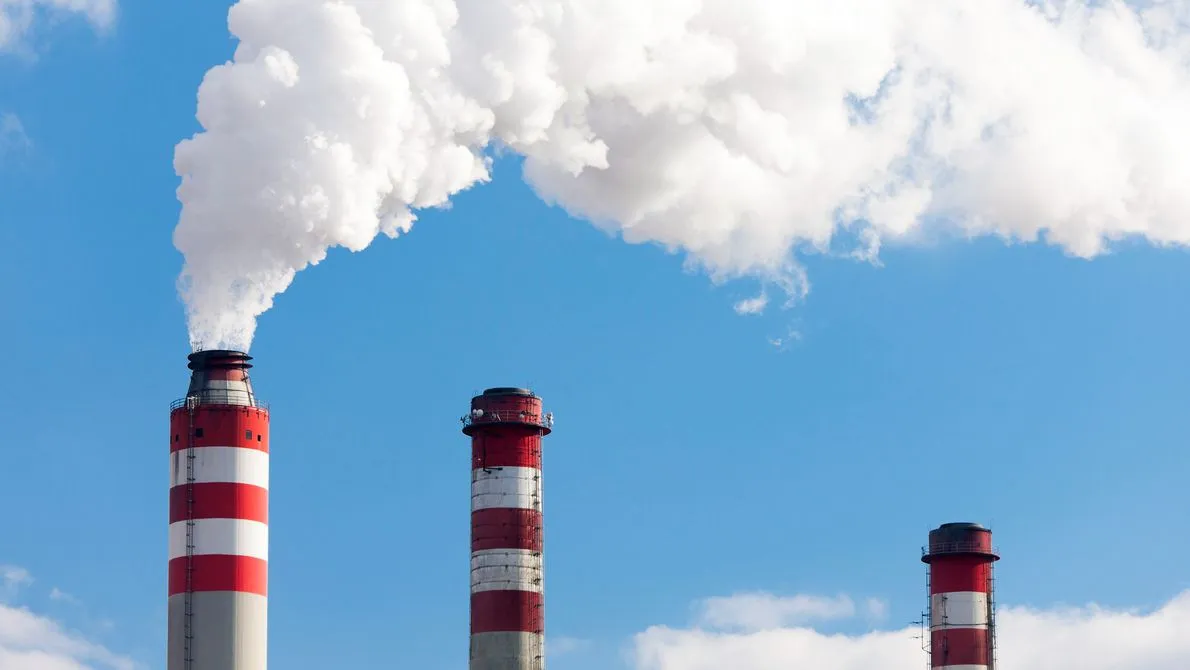
Russia has submitted its updated climate targets to the Secretariat of the UN Framework Convention on Climate Change (UNFCCC), outlining a new trajectory for cutting greenhouse gas emissions. This is reported by the Ministry of Economic Development of the Russian Federation.
The new nationally determined contribution (NDC) commits Russia to reducing emissions to 65–67 per cent of 1990 levels by 2035, taking into account the maximum possible absorption capacity of forests and other ecosystems. The target is designed to balance sustainable economic growth with climate responsibilities, while also recognising the importance of non-discriminatory access to technology and equipment needed for low-carbon transition.
Russia’s latest submission strengthens its earlier 2020 target, which aimed to reduce emissions to 70 per cent of 1990 levels by 2030.
The updated plan also highlights Russia’s contribution to global climate cooperation, including voluntary support for developing countries, and draws on findings from the first stage of the national Climate Monitoring System. This large-scale scientific project includes monitoring greenhouse gas emissions and absorption in land and marine ecosystems, modelling climate change scenarios, and evaluating decarbonisation pathways across sectors of the economy.
Photo: Weedezign / iStock
-
![]()
 Ecology19.08.26Iran builds genetic maps to protect endangered wildlife
 -
![]()
 Ecology18.08.26Expert: Egypt completes national drought management plan and prepares to attract private investment
 -
![]()
 Ecology13.08.26Indonesia launches plan to conserve elephant populations
 -
![]()
 Ecology11.08.26Belarus broadens pilot project to protect roads from wildlife
 -
![]()

 Ecology09.08.26Chinese scientists discover gigantic whale graveyard in Indian Ocean
 -
![]()
 Ecology09.08.26India launches conservation plan to protect elusive clouded leopard habitats


















-
![Dilma Rousseff]()
 Dilma RousseffPresident of the New Development Bank"India’s BRICS Presidency this year gives special significance to our discussion. NDB stands ready to be a trusted partner in turning commitments on sustainability, clean energy, smart and resilient infrastructure into concrete results on the ground. […] For NDB, mobilising private capital is a strategic imperative. Created by the BRICS founding members, NDB is a bank of the Global South, for the Global South, mandated to mobilise resources for infrastructure and sustainable development"
 -
![Sihasak Phuangketkeow]() Sihasak PhuangketkeowDeputy Prime Minister and Minister of Foreign Affairs of Thailand"BRICS can play a very important role in maintaining the free flow of trade and investment. The group can also be a vehicle for all of us to engage and to look at economic opportunities"
Sihasak PhuangketkeowDeputy Prime Minister and Minister of Foreign Affairs of Thailand"BRICS can play a very important role in maintaining the free flow of trade and investment. The group can also be a vehicle for all of us to engage and to look at economic opportunities"