















Vietnam prepares nationwide launch of E10 biofuel from 1 June
Authorities step up refinery upgrades, ethanol supply chains and agricultural reforms to support transition
-
![]()
Photo source: Khanchit Khirisutchalual / iStock

Vietnam is accelerating preparations for the nationwide introduction of E10 biofuel from 1 June, as energy authorities and domestic refineries move to secure sufficient supply, upgrade infrastructure and strengthen technical capacity for the new fuel blend.
Under the roadmap, E10 petrol – containing 10 per cent ethanol – will be distributed across the country, marking a significant step in Vietnam’s strategy to promote cleaner fuels and reduce emissions.
According to the Vietnam Biofuels Association, the country currently operates six fuel ethanol plants with a combined designed capacity of around 600,000 cubic metres per year. This would cover only about 40 per cent of the estimated 1.5 million cubic metres required annually for full-scale E10 production.
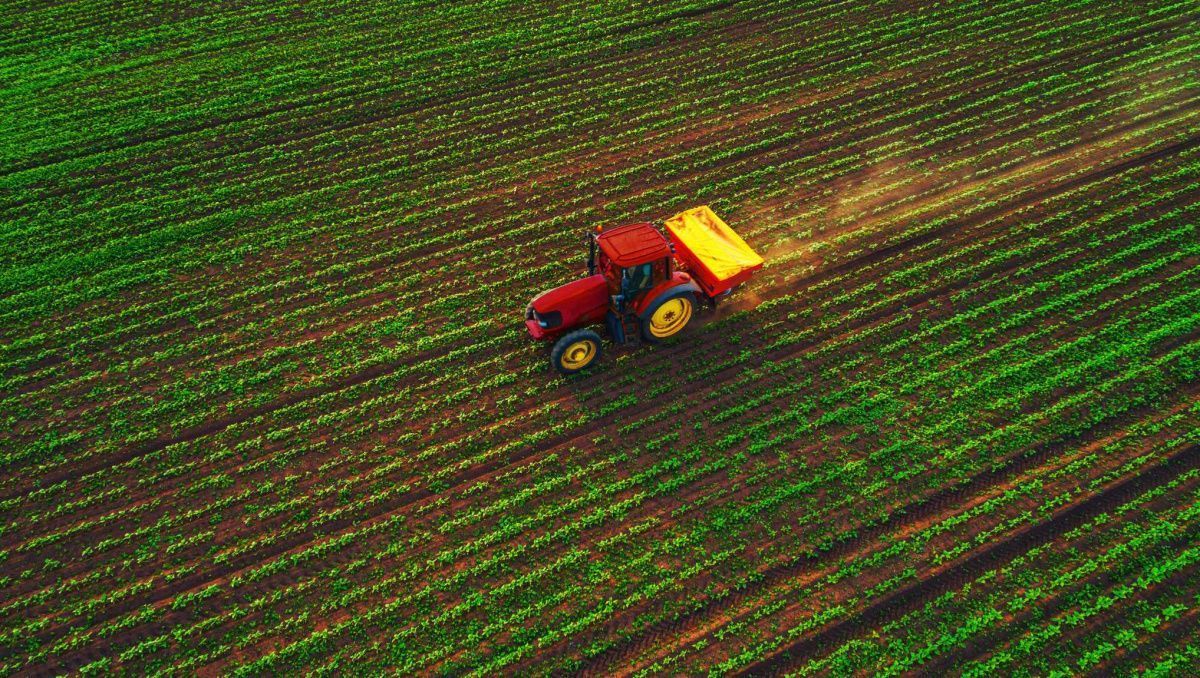
The nationwide rollout is therefore expected to substantially increase demand for ethanol at a time when domestic feedstock supply remains unstable, as reported by VNA, a partner of TV BRICS.
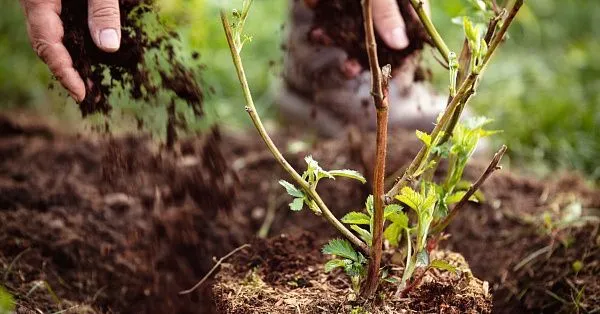
Experts have called for a broader approach to ethanol production in order to ease pressure on land resources and enhance value creation in rural areas.
Major refineries have begun upgrading blending systems and storage facilities in preparation for higher ethanol volumes.
Across the country, fuel distributors have also reviewed storage tanks, blending equipment and quality control systems in line with national technical standards. Several biofuel blending depots are already operational, with total annual processing capacity exceeding 6 million cubic metres.
-
![]()
 Society24.09.26Brazil creates national biobank network
 -
![]()
 Society22.09.26Kazakhstani citizens plant more than 38,000 trees and shrubs during environmental campaign
 -
![]()
 Society21.09.26Iran ranks among global leaders in vaccination and infertility treatment
 -
![]()

 Society21.09.26Admasu Damtew, Ethiopia’s Media Manager: "Future of journalism lies in partnerships that transcend national borders"
 -
![]() Society20.09.26BRICS News Digest for the previous week
Society20.09.26BRICS News Digest for the previous week -
![]()
 Society20.09.26Egypt to introduce electronic notifications for court cases from 1 October













-
![Elias Monage]()
 Elias MonageChairman of the South African side of the Russia-South Africa Business Council"If we are then to do a huge project, for example, on rail infrastructure, we can then bring the rest of the continent to participate in the rail development and infrastructure for the continent together with the partners within the BRICS countries. Whether we then bring, for example, Russia rail, we then bring India, we then bring China"
 -
![Maksim Reshetnikov]() Maksim ReshetnikovRussian Minister of Economic Development"Plan 2030 has created a strong foundation for the qualitative expansion of trade and economic ties. There are all grounds to believe that by the end of the decade, Russia–China trade will reach US$300 billion"
Maksim ReshetnikovRussian Minister of Economic Development"Plan 2030 has created a strong foundation for the qualitative expansion of trade and economic ties. There are all grounds to believe that by the end of the decade, Russia–China trade will reach US$300 billion"


