















More than two-thirds of cars in the country run on traditional fuel, but alternative technologies are showing strong growth
-
![]()
Photo source: Blue Planet Studio / iStock

The alternative technology segment of the Kyrgyzstan automotive market is developing more actively than others: by the end of 2025, the number of electric vehicles in the country reached 15,278 (in 2022, there were only 1,113). This was reported by Akchabar, a partner of TV BRICS.
It is specified that 9,870 electric cars were registered in the past year alone, which is almost a threefold increase. And although their share in the total number is small (0.8 per cent of the car fleet), the growth rate indicates the formation of a new market segment.
The infrastructure is also changing. More than 100 electric charging stations have been installed in the capital of Kyrgyzstan, which are necessary for the further growth of electric transport. In addition, the launch of a green taxi project in Bishkek is being discussed in conjunction with the National Investment Fund. The idea is to create the first environmentally friendly urban car fleet.
Experts note that the car market is gradually shifting towards newer, more modern and less environmentally harmful models. The share of cars less than five years old in the country has grown from 1.5 per cent in 2024 to 4.5 per cent in 2025.
-
![]()
 Technology25.08.26Dubai reduces oil and fat testing time from two hours to two minutes
 -
![]()
 Technology25.08.26Iran develops device for more accurate monitoring of anaesthetic depth
 -
![]()
 Technology25.08.26China develops rice gene that combines earlier maturity with higher yields
 -
![]()
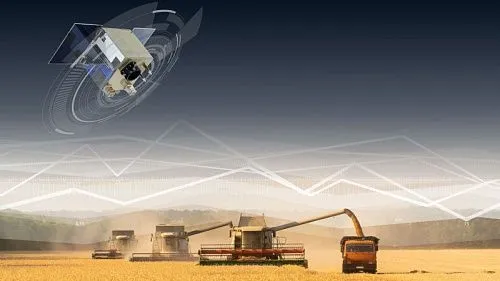
 Technology24.08.26View of fields from space: how BRICS countries use satellite data for agriculture
 -
![]() Technology24.08.26UAE sport turns to AI and smart technology to sharpen athlete performance
Technology24.08.26UAE sport turns to AI and smart technology to sharpen athlete performance -
![]()
 Technology23.08.26Belarus develops activated carbon technology using wood waste















-
![Joao Paulo Capobianco]()
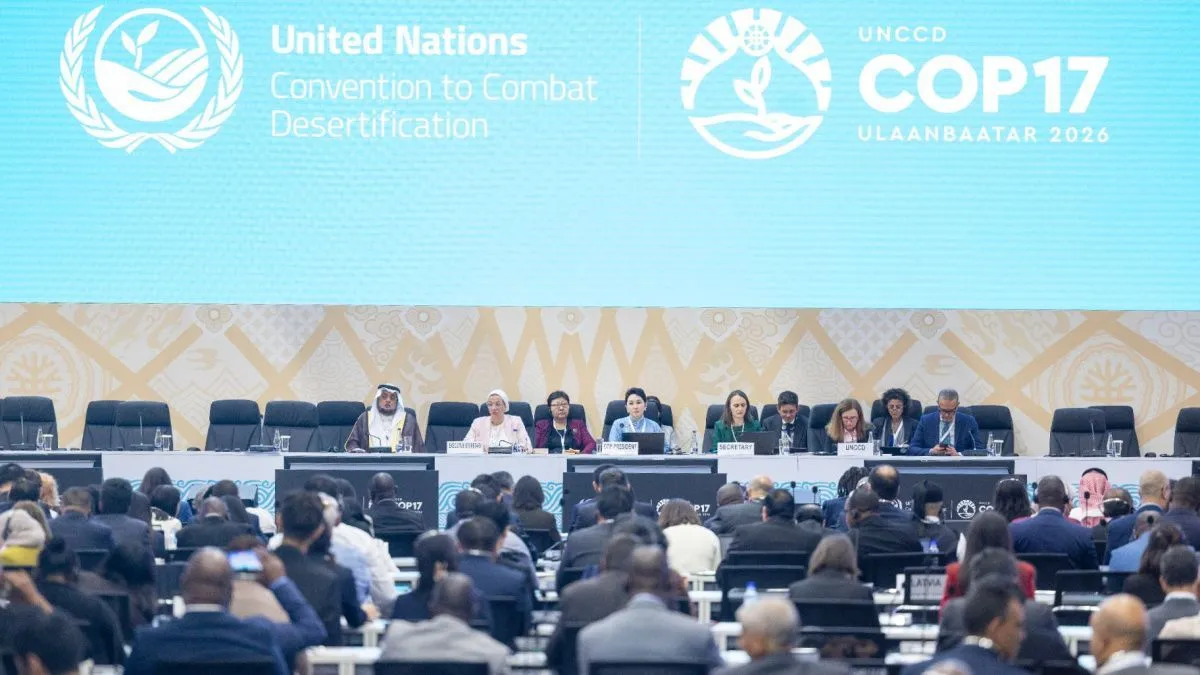
 Joao Paulo CapobiancoBrazilian Minister of the Environment and Climate Change"The BRICS countries have a very high level of responsibility because they share an important part of the world's biodiversity, landscapes, populations, food production and water resources. So, we have an opportunity to lead by example. We have our development bank, which can demonstrate and develop new ways of financing programmes. We can reduce the risks for private capital to invest in restoration and efforts to combat desertification"
 -
![Dilma Rousseff]() Dilma RousseffPresident of the New Development Bank"India’s BRICS Presidency this year gives special significance to our discussion. NDB stands ready to be a trusted partner in turning commitments on sustainability, clean energy, smart and resilient infrastructure into concrete results on the ground. […] For NDB, mobilising private capital is a strategic imperative. Created by the BRICS founding members, NDB is a bank of the Global South, for the Global South, mandated to mobilise resources for infrastructure and sustainable development"
Dilma RousseffPresident of the New Development Bank"India’s BRICS Presidency this year gives special significance to our discussion. NDB stands ready to be a trusted partner in turning commitments on sustainability, clean energy, smart and resilient infrastructure into concrete results on the ground. […] For NDB, mobilising private capital is a strategic imperative. Created by the BRICS founding members, NDB is a bank of the Global South, for the Global South, mandated to mobilise resources for infrastructure and sustainable development" -
![Sihasak Phuangketkeow]() Sihasak PhuangketkeowDeputy Prime Minister and Minister of Foreign Affairs of Thailand"BRICS can play a very important role in maintaining the free flow of trade and investment. The group can also be a vehicle for all of us to engage and to look at economic opportunities"
Sihasak PhuangketkeowDeputy Prime Minister and Minister of Foreign Affairs of Thailand"BRICS can play a very important role in maintaining the free flow of trade and investment. The group can also be a vehicle for all of us to engage and to look at economic opportunities"