













Sport as tool for strategic promotion of BRICS countries
For whom can the BRICS Games become an instrument of promotion? And why, according to experts, will the development of the sports movement within BRICS not be fast? Read more in the TV BRICS article

Strengthening BRICS through sports development
Today, sport is not merely part of physical culture; it is a tool of soft power, an element of national image. The achievements of athletes and large-scale competitions can enhance the prestige of both host and participating states, strengthen national identity, and even trigger economic growth. BRICS is using all these opportunities. Eight years have passed since the first BRICS Games in Guangzhou, China. Since then, the competition programme has expanded significantly, and the number of participating countries has grown. Other sporting projects under the BRICS umbrella have also emerged. However, truly large-scale competitions in the Global South are still far ahead. What is slowing the development? Let us look into it.
BRICS Games
The BRICS Games are the flagship sporting project of the group. They have proven their viability, experts say. Over the eight years of their existence, the competition programme has been continuously expanding. At times it has included national and traditional sports, such as Brazilian capoeira, India’s ancient team game kabaddi and Chinese wushu. All this has contributed not only to sports development but also to cultural exchange among the participating countries. Initially, it was planned that the BRICS Games would be held annually. However, plans had to be adjusted due to the pandemic. In 2019–2021 the Games were not held; in 2022 China organised the competitions online. In 2020 it was decided that the Games would be hosted by the chairing country. Thus, in 2023, South Africa hosted the BRICS Games. Competitions in swimming, tennis, and badminton, as well as events for athletes with disabilities (tennis and table tennis), took place in Durban.
The Games in Kazan became the most extensive. They were held under Russia’s chairmanship in 2024 and, according to experts, proved to be among the most representative in the history of the BRICS Games. This is evidenced by the number of participating countries (82), athletes (more than 2.8 thousand) and sports (27). The programme included both Olympic sports (gymnastics, judo) and national sports, such as belt wrestling (koresh). However, not all experts consider such diversity and constant changes to the sports programme justified.
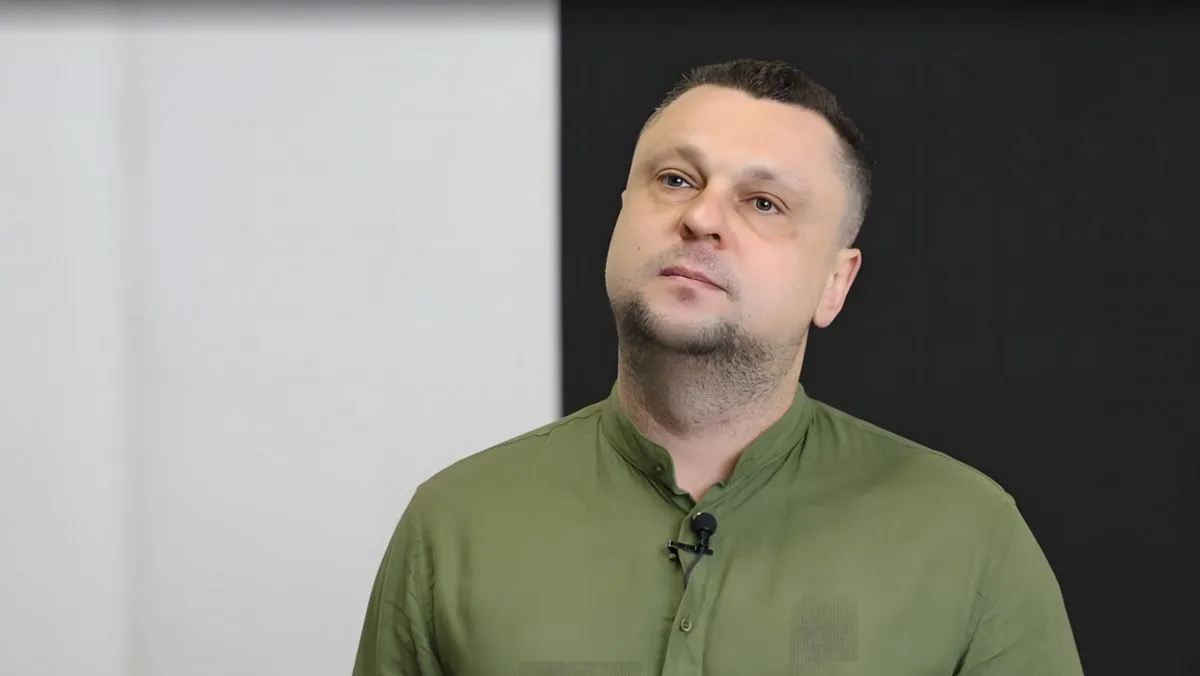
“For now, the BRICS Games programme largely changes based on the wishes of the host country, which each time adds different sports, including national ones. This is very good. But it is probably time to define a unified BRICS Games programme for the future, as countries must prepare for them, and athletes should know exactly that their favourite sports will be included. In Kazan there were 27 sports – this is already a good set, but it is necessary, apparently, to add 2–3 well-known, popular team sports. [...] Such sports as volleyball, handball and water polo come to mind,” said Vladimir Lednev, TV BRICS sports expert.
Meanwhile, amid the success of the BRICS Games, initiatives to hold BRICS Student Games and even winter competitions – for fans of figure skating, biathlon, skiing and luge – are increasingly discussed.
BRICS Marathon League
The BRICS Marathon League is another initiative in the field of sport. It brings together major marathons in Russia and, in the future, in other countries of the group. The project is intended to develop international cooperation and involve more people in sport. The agreement to establish the League was signed in June 2023 during the St. Petersburg International Economic Forum with the participation of Russia’s Ministry of Sport.
The League was launched in 2024 with the marathon in Kazan, which gathered almost 30 thousand participants from around the world. Two more League marathons were later held in St. Petersburg and Moscow. All of them were repeated in 2025.

Economic impact of BRICS sporting events
Experts calculated that the combined direct and indirect economic effect of the League in its first year amounted to approximately US$62.1 million. The participants themselves (more than 100 thousand in 2024), through their spending on accommodation, food and transport, generated US$24.6 million for the cities. Thus, the BRICS Marathon League has proven itself not only as a mechanism for promoting sport but also as a powerful tool for stimulating regional economies.
“The economic impact of sporting events organised and held by BRICS should, at this stage, be assessed through the prism of the so-called multiplier effect. [...] In the context of international sport, favourable conditions are created for the development of tourism, related infrastructure, healthcare, education, etc. This highlights the key role of sport in BRICS countries, including in the economic dimension,” said Sergey Skorokhodov, TV BRICS expert in digital and sports marketing.
Sport as a tool of soft power
However, the success of sporting events is measured not only in profit. Athletes’ achievements are a source of national pride in every country. This can be judged by the viewership of major competitions. For example, the 2022 Winter Olympics in Beijing attracted more than two billion viewers, and the 2022 FIFA World Cup final – one and a half billion. No political or economic event of international scale comes close to these indicators. In this context, the emergence of sporting competitions under the BRICS banner is a bid to move beyond purely humanitarian values and meanings.
“BRICS countries are actively using the potential of sport, seeking to implement joint cultural, social and economic projects. Moreover, in a turbulent global political climate, sport is no longer merely a competitive activity – it is transforming into an instrument of diplomacy,” says Sergey Skorokhodov. The expert also notes that sports formats contribute to the establishment of partnership contacts.
“Today sport can act as soft power. This is connected with the establishment of friendly relations among athletes, coaches and fans of different countries. Sport brings people together if the basic principles of sporting activity are used correctly,” adds Vladimir Lednev.

Nevertheless, to fully see and feel the multiplier cultural, economic and political effect of BRICS sporting initiatives, experts advise patience. All currently successful international sports projects have undergone long development paths measured in decades.
Challenges and prospects for the development of BRICS sports initiatives
According to specialists, as the BRICS sports competitions develop, they will inevitably face challenges. Sergey Skorokhodov believes that logistics are quite complex. The geographical span of the participating countries is wide, which creates difficulties with flights. Moreover, there is still no unified list of sports, and making it equally appealing for all is quite difficult. In India, sport number one is cricket; in Russia – ice hockey; in China, they favour tennis; and in Brazil – football.
However, the potential of the sporting initiatives of the group is assessed as high. The expansion of BRICS can strengthen the sporting dimension. Middle Eastern countries may become financial hubs for regular tournaments, while African countries could reinforce athletics programmes.
Now, experts say, the participating countries need coordinated work to create a unified Games programme, approve a list of sports and increase prize funds. In this case, in the next two decades, the BRICS Games and other sporting initiatives of the group have every opportunity to reach a maximally large-scale level and take their place in the global hierarchy of major sporting events.
The article was prepared by Svetlana Khristoforova.
Photo: Natalia Kirsanova, ZamoraA, bingdian / iStock
-
![]()

 Sport21.09.26Egypt wins African AirBadminton Team Relay title for second consecutive year
 -
![]()


 Sport08.09.26Twelve races over three days: BRICS Sailing Championship concludes in Belarus
 -
![]()
 Sport06.09.26China targets sports industry worth US$1.04 trillion by 2030
 -
![]()
 Sport31.08.26Brazil wins seven medals at Parapan-Pacific Swimming Championships and sets world record
 -
![]() Sport28.08.26Brazilian athlete breaks 400m hurdles world record with 45.80 seconds
Sport28.08.26Brazilian athlete breaks 400m hurdles world record with 45.80 seconds -
![]() Sport07.08.26Egypt secures hosting rights for 2027 World Darts Championship
Sport07.08.26Egypt secures hosting rights for 2027 World Darts Championship



















-
![Evgeny Solntsev]()
 Evgeny SolntsevGovernor of Orenburg Region (Russia)"We see growth year after year. Last year, the figure increased by 11.6 per cent. The total share of our products on the sales market is around 24.7 per cent. BRICS countries account for a quarter of all our products. Good-neighbourly relations with Kazakhstan are very important for us. Then come China and India. We primarily focus on these countries because they are our closest neighbours"
 -
![Elias Monage]() Elias MonageChairman of the South African side of the Russia-South Africa Business Council"If we are then to do a huge project, for example, on rail infrastructure, we can then bring the rest of the continent to participate in the rail development and infrastructure for the continent together with the partners within the BRICS countries. Whether we then bring, for example, Russia rail, we then bring India, we then bring China"
Elias MonageChairman of the South African side of the Russia-South Africa Business Council"If we are then to do a huge project, for example, on rail infrastructure, we can then bring the rest of the continent to participate in the rail development and infrastructure for the continent together with the partners within the BRICS countries. Whether we then bring, for example, Russia rail, we then bring India, we then bring China" -
![Maksim Reshetnikov]() Maksim ReshetnikovRussian Minister of Economic Development"Plan 2030 has created a strong foundation for the qualitative expansion of trade and economic ties. There are all grounds to believe that by the end of the decade, Russia–China trade will reach US$300 billion"
Maksim ReshetnikovRussian Minister of Economic Development"Plan 2030 has created a strong foundation for the qualitative expansion of trade and economic ties. There are all grounds to believe that by the end of the decade, Russia–China trade will reach US$300 billion"