

















Inclusion expands the recognised migratory bird sanctuary area in the Yellow Sea
-
![]()
Photo source: nan li / iStock
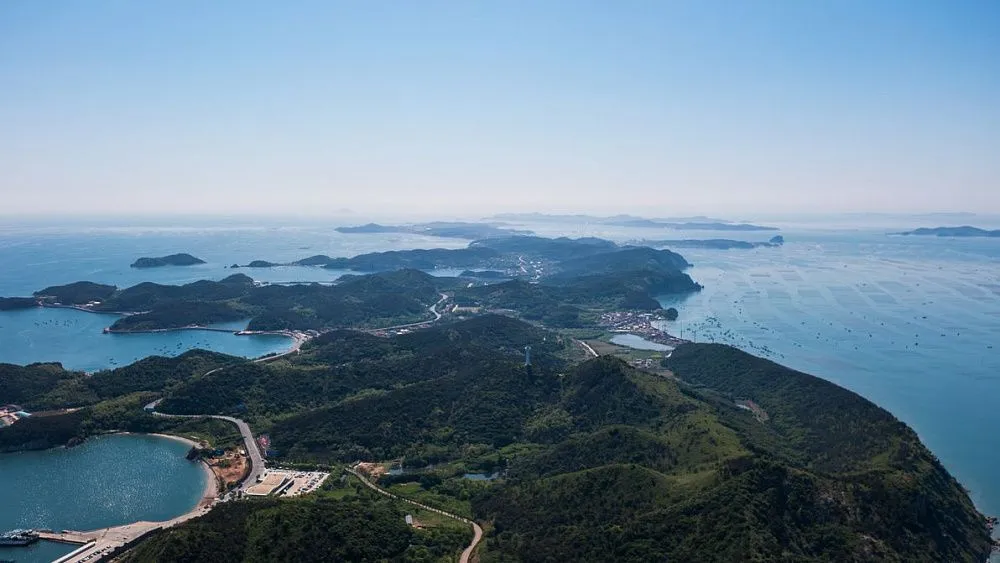
UNESCO has added the Changshan Islands in China to its World Natural Heritage List. The archipelago has been recognised as part of the migratory bird sanctuaries along the coast of the Yellow Sea and the Bohai Gulf already inscribed by the organisation. The extension was approved during the 48th session of the World Heritage Committee.
According to Global Times, a partner of TV BRICS, the newly incorporated area covers more than 4,900 hectares and provides vital resting and feeding grounds for millions of migratory birds travelling along the East Asian–Australasian Flyway.
In addition, more than 140 bird species have already been recorded in the region. The site is also home to the world's largest breeding colony of Chinese egrets and serves as a permanent habitat for protected species.
At the same time, the sanctuary is regarded as the world's largest intertidal wetland system. These areas are shaped by tidal cycles, alternating between periods of inundation and exposure.
China currently has 15 World Natural Heritage sites and four mixed heritage sites, which combine both cultural and natural values.
Recently, UNESCO added several sites from BRICS countries and the Global South to its heritage lists. Other nominations are currently being prepared for evaluation.
The organisation recognised the Theatro da Paz and the Teatro Amazonas in Brazil as World Cultural Heritage sites, according to Agência Brasil. Built in the late nineteenth century, the two venues represent the architecture and cultural history of the Amazon region. Their inscription marked the 26th Brazilian property included on UNESCO's World Heritage List.
In addition, ten examples of modernist architecture in Tashkent, Uzbekistan, have been added to the World Heritage List. Constructed between the 1960s and the 1990s, the buildings reflect the architectural development of Central Asia during the twentieth century. The Cultural Heritage Agency of Uzbekistan stated that the country has become the first in Central Asia and the Commonwealth of Independent States to have a collection of modernist architecture from this period inscribed on the organisation's list.
At the same time, Oman is advancing preparations to nominate the Al Hajar Geopark for inclusion in the UNESCO Global Geoparks Network. The site could become the country's first geopark recognised by the organisation, according to Al Shabiba, a partner of TV BRICS. The initiative aims to preserve the natural heritage, promote sustainable tourism, and expand economic opportunities for local communities.
-
![]()
 Society23.08.26BRICS News Digest for the previous week
 -
![]()
 Society22.08.26Oman identifies seven mushroom species new to science
 -
![]()


 Society21.08.26Projects in field of higher education in Iran to be presented to international public through TV BRICS
 -
![]()


 Society20.08.26Citizens of Kyrgyzstan and Vietnam to use 240-hour visa-free transit through China
 -
![]()
 Society20.08.26Leading CIS bakery industry experts to join TV BRICS discussion on food security
 -
![]()
 Society18.08.26Belarus promotes access to housing in rural areas
























-
![Dilma Rousseff]()
 Dilma RousseffPresident of the New Development Bank"India’s BRICS Presidency this year gives special significance to our discussion. NDB stands ready to be a trusted partner in turning commitments on sustainability, clean energy, smart and resilient infrastructure into concrete results on the ground. […] For NDB, mobilising private capital is a strategic imperative. Created by the BRICS founding members, NDB is a bank of the Global South, for the Global South, mandated to mobilise resources for infrastructure and sustainable development"
 -
![Sihasak Phuangketkeow]() Sihasak PhuangketkeowDeputy Prime Minister and Minister of Foreign Affairs of Thailand"BRICS can play a very important role in maintaining the free flow of trade and investment. The group can also be a vehicle for all of us to engage and to look at economic opportunities"
Sihasak PhuangketkeowDeputy Prime Minister and Minister of Foreign Affairs of Thailand"BRICS can play a very important role in maintaining the free flow of trade and investment. The group can also be a vehicle for all of us to engage and to look at economic opportunities"