















More than 65 million revellers expected as festivities generate US$3.6 billion nationwide
-
![]()
Photo source: R.M. Nunes / iStock

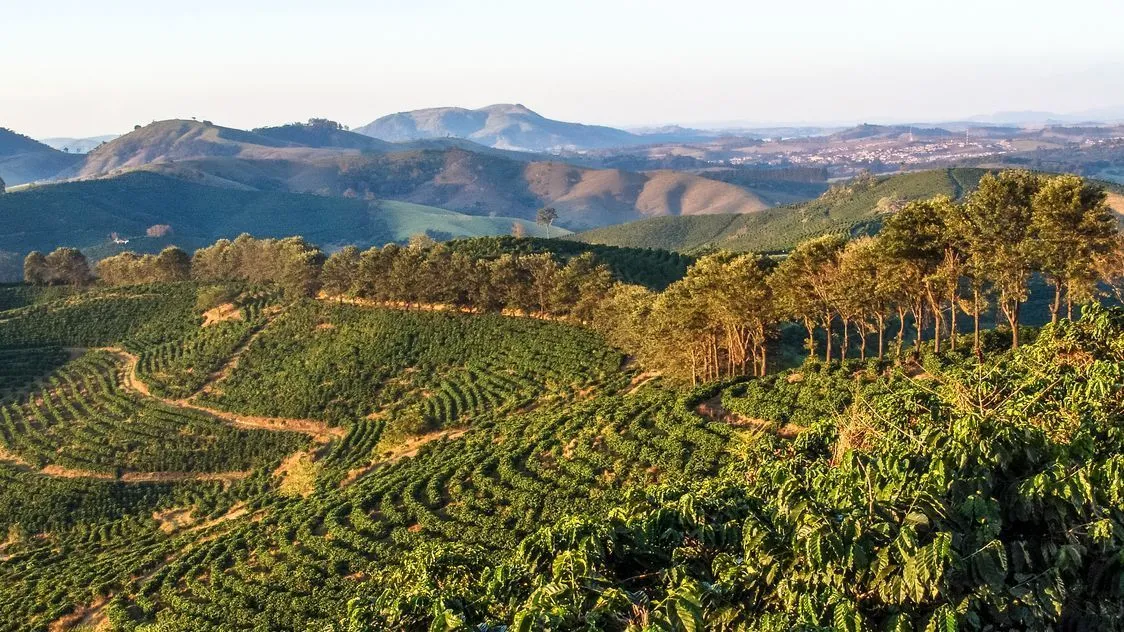
Brazil is celebrating what could become the largest Carnival in its history, with projections indicating more than 65 million participants nationwide and an estimated US$3.6 billion injected into the national economy, as reported by Brasil 247, a partner of TV BRICS.
Figures released by the Ministry of Tourism, based on data from the National Confederation of Commerce of Goods, Services and Tourism, suggest a 22 per cent increase in attendance compared with 2025. The projected financial impact represents a 10 per cent rise year on year and the strongest February performance since records began in 2011.
Tourism Minister Gustavo Feliciano described the 2026 festivities as a landmark moment. “We are celebrating one of the largest and best Carnivals in history, with record expectations for both revellers and financial movement, demonstrating how tourism contributes to Brazil’s economic and social growth,” he said. He added that the event serves not only as a cultural celebration but also as a strategic driver of employment and income generation across multiple sectors.
Major urban centres accounted for a substantial share of the influx. Sao Paulo led in attendance with an estimated 16.5 million revellers and an economic impact exceeding US$1.4 billion. Rio de Janeiro attracted around 8 million people, supported by parades at the Sambadrome and extensive street festivities, with hotel occupancy reaching 98 per cent and revenues estimated at US$1.14 billion.
In the northeast, Recife and Olinda together welcomed more than 7.6 million participants, while Salvador recorded over 8 million revellers. Authorities also noted a sharp rise in international arrivals in several destinations.
The hospitality and food service sectors reported full occupancy and strong demand, extending beyond coastal hubs to inland and mountain destinations. Industry representatives said the scale of domestic and international travel underscored Brazil’s consolidation as a mature and diversified tourism market.
Officials say the 2026 Carnival highlights tourism’s role as a catalyst for economic expansion and social inclusion, supporting jobs across hospitality, transport, entertainment and small businesses.
-
![]()
 Tourism15.08.26Vietnam accelerates smart tourism with AI and digital services
 -
![]()

 Tourism13.08.26Egypt welcomes Russia's decision to launch direct flights to Borg El Arab and El Alamein
 -
![]()
 Tourism12.08.26Ghana records growth in tourism as international arrivals exceed 1.3 million
 -
![]() Tourism06.08.26Vietnam embraces sustainable tourism as travellers prioritise local communities and greener travel
Tourism06.08.26Vietnam embraces sustainable tourism as travellers prioritise local communities and greener travel -
![]()

 Tourism05.08.26Malaysia leads international visitor arrivals to Indonesia in first half of 2026
 -
![]()
 Tourism03.08.26Brazil ranks fourth worldwide for growth in international tourism since 2019























-
![Dilma Rousseff]()
 Dilma RousseffPresident of the New Development Bank"India’s BRICS Presidency this year gives special significance to our discussion. NDB stands ready to be a trusted partner in turning commitments on sustainability, clean energy, smart and resilient infrastructure into concrete results on the ground. […] For NDB, mobilising private capital is a strategic imperative. Created by the BRICS founding members, NDB is a bank of the Global South, for the Global South, mandated to mobilise resources for infrastructure and sustainable development"
 -
![Sihasak Phuangketkeow]() Sihasak PhuangketkeowDeputy Prime Minister and Minister of Foreign Affairs of Thailand"BRICS can play a very important role in maintaining the free flow of trade and investment. The group can also be a vehicle for all of us to engage and to look at economic opportunities"
Sihasak PhuangketkeowDeputy Prime Minister and Minister of Foreign Affairs of Thailand"BRICS can play a very important role in maintaining the free flow of trade and investment. The group can also be a vehicle for all of us to engage and to look at economic opportunities"