

















Breakthrough study explains how a single somatic cell can regenerate into a full plant

Chinese researchers have, for the first time, fully revealed how a single plant somatic cell can regenerate into an entire plant. This is reported by Global Times, a partner of TV BRICS.
The discovery resolves a question that has puzzled scientists for more than a century and opens new pathways for agricultural innovation and biodiversity conservation.
The study explains the long-debated phenomenon of plant cell totipotency – the ability of an ordinary differentiated cell to revert to a stem-cell-like state and develop into a complete organism.
Using Arabidopsis thaliana (the thale cress) as a model, the team built an experimental system demonstrating how individual somatic cells can reprogramme themselves under specific conditions. Researchers found that the process depends on the accumulation of auxin, a plant hormone that acts as a trigger for cellular transformation.
Advanced imaging and sequencing technologies allowed scientists to capture the entire trajectory of a single cell dividing and reprogramming into a totipotent state. For the first time, this provided direct evidence of the single-cell origin of plant regeneration.
The breakthrough identified two critical molecular “keys”: the SPCH gene, associated with leaf development, and the LEC2 gene, whose overexpression induces totipotency. Together they act as a molecular switch, activating chromatin remodelling and reawakening previously silent genes, which guide the cell towards becoming a totipotent stem cell.
By mastering the mechanisms of totipotency, scientists aim to accelerate the cloning of high-yield crop varieties, shorten breeding cycles, and develop new methods for conserving rare plant species. The discovery could also strengthen advances in plant synthetic biology and targeted crop improvement, the source claims.
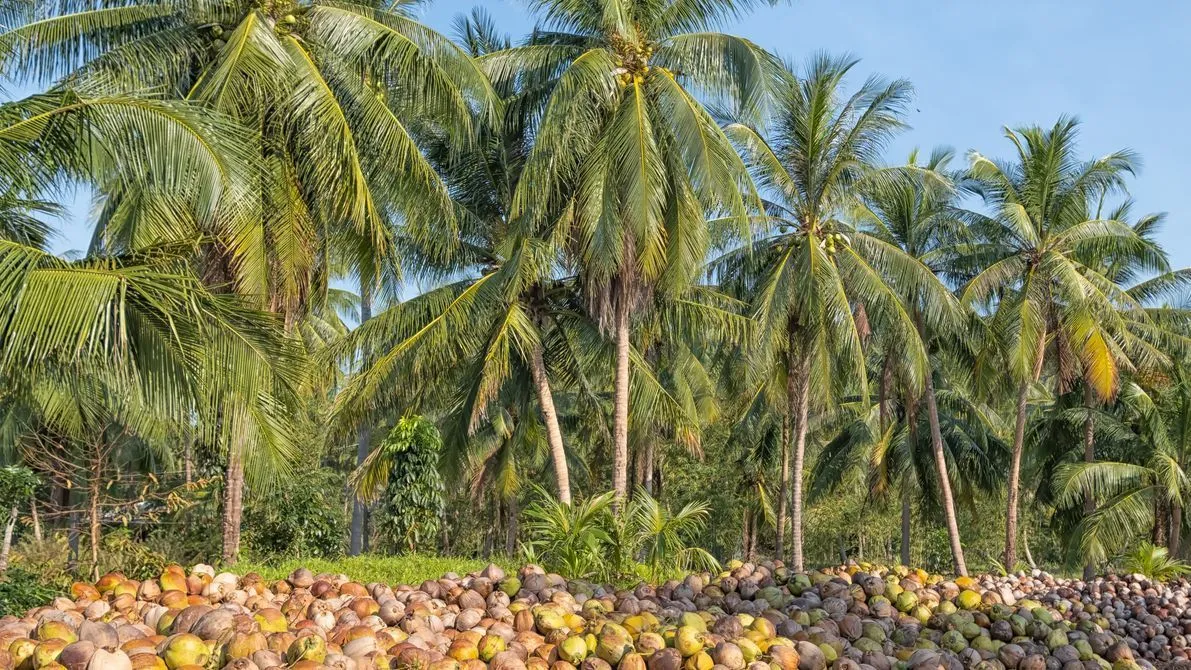
Photo: Taveesaksri / iStock
-
![]()
 Society22.08.26Oman identifies seven mushroom species new to science
 -
![]()


 Society21.08.26Projects in field of higher education in Iran to be presented to international public through TV BRICS
 -
![]()


 Society20.08.26Citizens of Kyrgyzstan and Vietnam to use 240-hour visa-free transit through China
 -
![]()
 Society20.08.26Leading CIS bakery industry experts to join TV BRICS discussion on food security
 -
![]()
 Society18.08.26Belarus promotes access to housing in rural areas
 -
![]()
 Society17.08.26Indonesia responds to aftermath of earthquake in East Nusa Tenggara Province





















-
![Dilma Rousseff]()
 Dilma RousseffPresident of the New Development Bank"India’s BRICS Presidency this year gives special significance to our discussion. NDB stands ready to be a trusted partner in turning commitments on sustainability, clean energy, smart and resilient infrastructure into concrete results on the ground. […] For NDB, mobilising private capital is a strategic imperative. Created by the BRICS founding members, NDB is a bank of the Global South, for the Global South, mandated to mobilise resources for infrastructure and sustainable development"
 -
![Sihasak Phuangketkeow]() Sihasak PhuangketkeowDeputy Prime Minister and Minister of Foreign Affairs of Thailand"BRICS can play a very important role in maintaining the free flow of trade and investment. The group can also be a vehicle for all of us to engage and to look at economic opportunities"
Sihasak PhuangketkeowDeputy Prime Minister and Minister of Foreign Affairs of Thailand"BRICS can play a very important role in maintaining the free flow of trade and investment. The group can also be a vehicle for all of us to engage and to look at economic opportunities"