
















A pilot programme in the Tashkent region aims to boost precipitation and improve atmospheric conditions through modern technology
-
![]()
Photo source: Khanchit Khirisutchalual / iStock

Uzbekistan has approved a phased introduction of artificial rain generation technology using elements of artificial intelligence as part of a presidential decree focused on improving air quality. The initiative will draw on international expertise to ensure effective and sustainable implementation.
Under the plan, specialised equipment will be installed in areas with low humidity across Tashkent and the surrounding region by 1 October 2027. The rollout will prioritise locations most affected by dry atmospheric conditions, according to Kazinform, a partner of TV BRICS.
The application of artificial rainfall technology is expected to reduce concentrations of dust particles and airborne pollutants. This approach offers a measurable, short-term improvement in air quality, particularly during periods of heightened environmental stress.
In addition, the programme is set to support higher ambient humidity during hot and arid weather, contributing to broader climate resilience.
The project is designed to increase precipitation levels by between 10 and 20 per cent compared to natural averages. Authorities view this as a practical step towards stabilising environmental conditions in urban and peri-urban areas.
-
![]()
 Technology26.08.26AI talent demand rises in China as graduate recruitment expands
 -
![]() Technology26.08.26China increases number of electric vehicle charging stations across country
Technology26.08.26China increases number of electric vehicle charging stations across country -
![]()
 Technology25.08.26Dubai reduces oil and fat testing time from two hours to two minutes
 -
![]()
 Technology25.08.26Iran develops device for more accurate monitoring of anaesthetic depth
 -
![]() Technology25.08.26China develops rice gene that combines earlier maturity with higher yields
Technology25.08.26China develops rice gene that combines earlier maturity with higher yields -
![]()
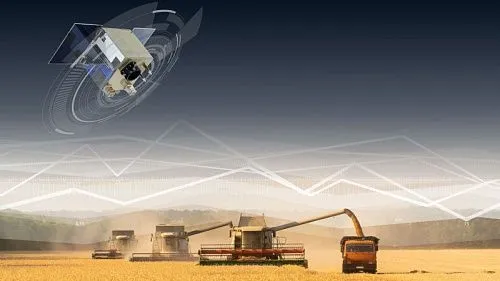
 Technology24.08.26View of fields from space: how BRICS countries use satellite data for agriculture























-
![Joao Paulo Capobianco]()
 Joao Paulo CapobiancoBrazilian Minister of the Environment and Climate Change"The BRICS countries have a very high level of responsibility because they share an important part of the world's biodiversity, landscapes, populations, food production and water resources. So, we have an opportunity to lead by example. We have our development bank, which can demonstrate and develop new ways of financing programmes. We can reduce the risks for private capital to invest in restoration and efforts to combat desertification"
 -
![Dilma Rousseff]() Dilma RousseffPresident of the New Development Bank"India’s BRICS Presidency this year gives special significance to our discussion. NDB stands ready to be a trusted partner in turning commitments on sustainability, clean energy, smart and resilient infrastructure into concrete results on the ground. […] For NDB, mobilising private capital is a strategic imperative. Created by the BRICS founding members, NDB is a bank of the Global South, for the Global South, mandated to mobilise resources for infrastructure and sustainable development"
Dilma RousseffPresident of the New Development Bank"India’s BRICS Presidency this year gives special significance to our discussion. NDB stands ready to be a trusted partner in turning commitments on sustainability, clean energy, smart and resilient infrastructure into concrete results on the ground. […] For NDB, mobilising private capital is a strategic imperative. Created by the BRICS founding members, NDB is a bank of the Global South, for the Global South, mandated to mobilise resources for infrastructure and sustainable development" -
![Sihasak Phuangketkeow]() Sihasak PhuangketkeowDeputy Prime Minister and Minister of Foreign Affairs of Thailand"BRICS can play a very important role in maintaining the free flow of trade and investment. The group can also be a vehicle for all of us to engage and to look at economic opportunities"
Sihasak PhuangketkeowDeputy Prime Minister and Minister of Foreign Affairs of Thailand"BRICS can play a very important role in maintaining the free flow of trade and investment. The group can also be a vehicle for all of us to engage and to look at economic opportunities"