















Belarus and Russia to launch unified electronic digital signature this year
New system to streamline financial transactions and strengthen Union State integration
-
![]()
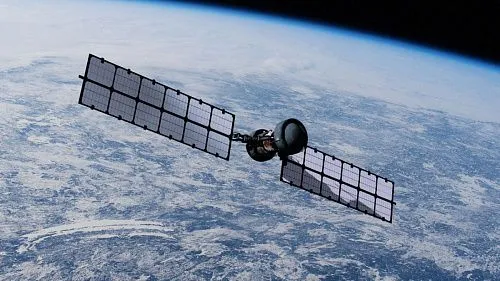
Photo source: Oleksii Liskonih / iStock

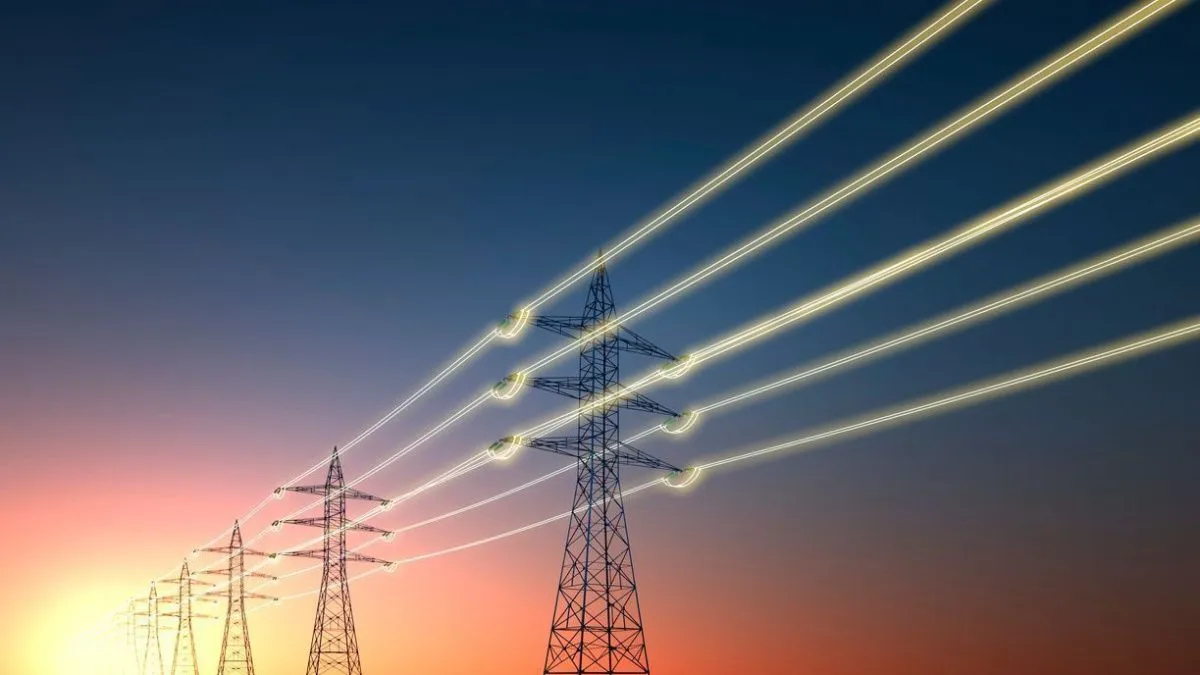
Belarus and Russia plan to introduce a unified electronic digital signature for cross-border financial transactions later this year, marking a significant step in deepening economic integration within the Union State.
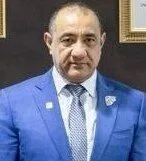
The announcement was made by Dmitry Krutoy, Head of the Administration of the President of Belarus, in an interview with a national television channel, as reported by BelTA, a partner of TV BRICS.
According to Krutoy, the project is entering its final implementation phase, including the transfer of specialised equipment and the completion of the necessary digital infrastructure. Once operational, the system will allow both countries to recognise financial transactions conducted entirely in electronic form, based on legally valid digital documents.
The financial sector has been selected as a pilot area for the rollout. Authorities expect that successful testing among financial institutions will pave the way for broader application across other sectors of the economy.
Krutoy also highlighted parallel initiatives by the National Bank of the Republic of Belarus and the Central Bank of the Russian Federation to test settlements in digital currencies. These measures, he said, are intended to enhance the resilience of the two countries’ payment infrastructure.
More than 95 per cent of bilateral trade between Belarus and Russia is already conducted in national currencies, reflecting a high level of financial coordination. Officials argue that the introduction of a unified electronic digital signature, alongside digital currency pilot projects, will further secure cross-border payments and ensure uninterrupted trade flows.
Despite external pressures on financial institutions, Krutoy noted that trade turnover between the two countries continues to grow at a pace exceeding overall GDP growth, indicating that payment systems are functioning effectively. He added that alternative financial instruments and payment routes are also developing successfully.
The launch of a unified digital signature is viewed as a cornerstone of the Union State’s broader strategy to modernise its financial architecture and expand the use of secure digital tools in cross-border economic activity.
-
![]()

 Technology04.09.26BRICS satellites protecting environment: how member countries are saving Earth from space
 -
![]()
 Technology03.09.26Russian scientists discover new mechanism for energy transfer in ocean
 -
![]()
 Technology01.09.26Iranian researchers develop dual-purpose electrodes for renewable energy storage
 -
![]()

 Technology31.08.26Vietnam targets ASEAN’s top three in artificial intelligence by 2030
 -
![]()
 Technology29.08.26China completes world’s largest-diameter underwater shield tunnel
 -
![]()
 Technology29.08.26Kazakhstan develops drought-resistant and salt-tolerant new barley variety








-
![Vladimir Putin]()
 Vladimir PutinPresident of Russia"We are developing mutual trade, which is growing; it increased by over 12 per cent last year. We have a joint commission working in this sphere. Our focus is on agriculture, shipbuilding, information technology and energy, including nuclear power. We have signed a free trade agreement between the Eurasian Economic Union and Indonesia. Jakarta is our reliable and old friend within ASEAN. We are working together at all international platforms, including the UN"
 -
![Vladimir Putin]() Vladimir PutinPresident of Russia"More and more Iranian students are choosing Russian education. We are very pleased about this. A great many future doctors are studying in Russia. In the 2025–2026 academic year, the number of Iranian students in Russia approached 10,000, with 802 of them studying at the expense of the Russian state budget"
Vladimir PutinPresident of Russia"More and more Iranian students are choosing Russian education. We are very pleased about this. A great many future doctors are studying in Russia. In the 2025–2026 academic year, the number of Iranian students in Russia approached 10,000, with 802 of them studying at the expense of the Russian state budget" -
![Xi Jinping]() Xi JinpingPresident of the People’s Republic of China"The foundation of our bilateral relations will only grow stronger, and we will confidently move forward to a better future. […] The striving of nations on our planet for peace, development, cooperation and mutual benefit remains unchanged. The vital mission of the Shanghai Cooperation Organisation is to maintain stability and promote the development of our region"
Xi JinpingPresident of the People’s Republic of China"The foundation of our bilateral relations will only grow stronger, and we will confidently move forward to a better future. […] The striving of nations on our planet for peace, development, cooperation and mutual benefit remains unchanged. The vital mission of the Shanghai Cooperation Organisation is to maintain stability and promote the development of our region" -
![Alisher Salomov]() Alisher SalomovAdviser to the Chairman of the National Committee for Ecology and Climate Change of the Republic of Uzbekistan"First and foremost, I would like to highlight the importance of this Central Asia–Russia initiative, because environmental problems know no borders, and only a shared understanding of these problems and the search for joint solutions can deliver positive results"
Alisher SalomovAdviser to the Chairman of the National Committee for Ecology and Climate Change of the Republic of Uzbekistan"First and foremost, I would like to highlight the importance of this Central Asia–Russia initiative, because environmental problems know no borders, and only a shared understanding of these problems and the search for joint solutions can deliver positive results" -
![Joao Paulo Capobianco]() Joao Paulo CapobiancoBrazilian Minister of the Environment and Climate Change"The BRICS countries have a very high level of responsibility because they share an important part of the world's biodiversity, landscapes, populations, food production and water resources. So, we have an opportunity to lead by example. We have our development bank, which can demonstrate and develop new ways of financing programmes. We can reduce the risks for private capital to invest in restoration and efforts to combat desertification"
Joao Paulo CapobiancoBrazilian Minister of the Environment and Climate Change"The BRICS countries have a very high level of responsibility because they share an important part of the world's biodiversity, landscapes, populations, food production and water resources. So, we have an opportunity to lead by example. We have our development bank, which can demonstrate and develop new ways of financing programmes. We can reduce the risks for private capital to invest in restoration and efforts to combat desertification"