
















Researchers uncover 12,000-year-old animal petroglyphs in Saudi Arabia
The petroglyphs offer insight into survival and culture in the ancient Arabian desert

An international team of researchers has uncovered a series of massive rock carvings in northern Saudi Arabia dating back around 12,000 years.
The carvings depict life-size animals such as camels, ibex, wild donkeys, deer, and wild bulls. Some images reach three metres in length and two metres in height, meticulously carved with primitive stone tools, demonstrating advanced artistic skill and coordinated group effort, according to Al-Arabiya.
Researchers believe the carvings were not merely decorative but served as visual maps marking seasonal water sources essential for human and animal survival. In an era of extreme drought, these signs guided nomadic tribes to critical water supplies, ensuring their survival in the desert.
Luminescence dating of the underlying sediments confirmed the carvings are around 12,000 years old. Stone tools, arrowheads, beads, and even a shell bead were found nearby, suggesting cultural and trade connections with neighbouring Levantine communities.
Photo: kurmyshov / iStock
-
![]()

 Society03.09.26World-renowned international nuclear research centre to present its work on TV BRICS
 -
![]()

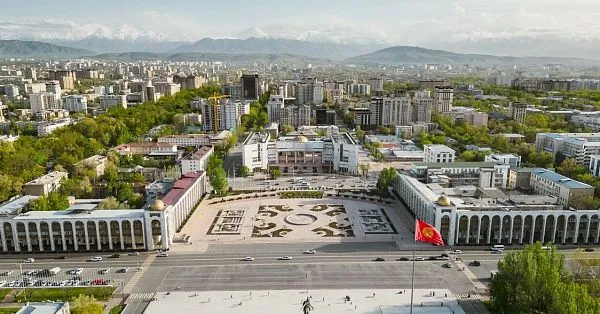
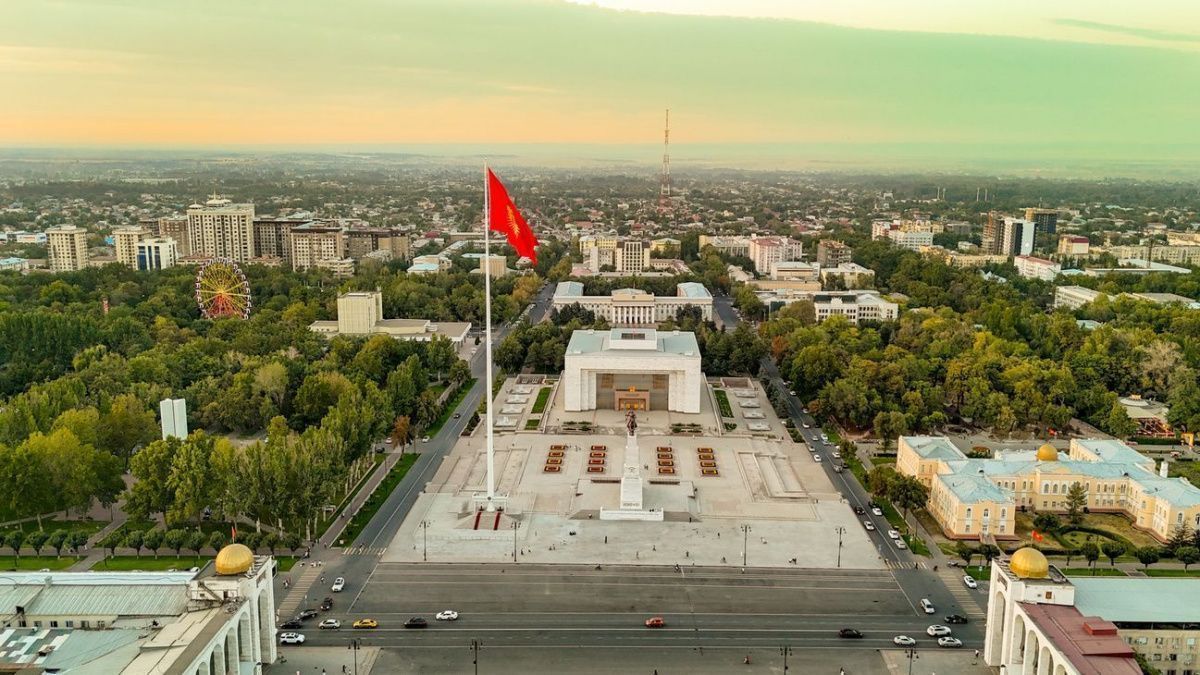
 Society01.09.26SCO leaders sign Bishkek Declaration
 -
![]() Society30.08.26BRICS News Digest for the previous week
Society30.08.26BRICS News Digest for the previous week -
![]()
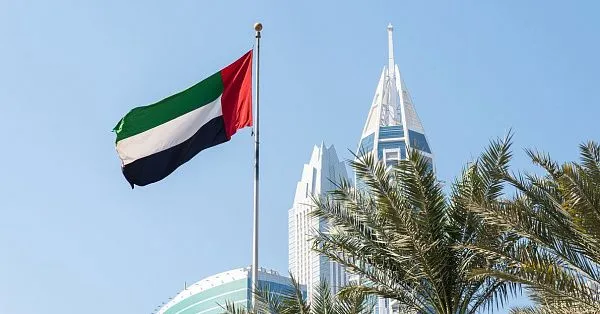
 Society29.08.26UAE archaeological discoveries shed new light on ancient human history
 -
![]()
 Society28.08.26Vietnam develops silver economy focused on older people
 -
![]()
 Society28.08.26BRICS countries adopt Chennai Declaration











-
![Vladimir Putin]()
 Vladimir PutinPresident of Russia"We are developing mutual trade, which is growing; it increased by over 12 per cent last year. We have a joint commission working in this sphere. Our focus is on agriculture, shipbuilding, information technology and energy, including nuclear power. We have signed a free trade agreement between the Eurasian Economic Union and Indonesia. Jakarta is our reliable and old friend within ASEAN. We are working together at all international platforms, including the UN"
 -
![Vladimir Putin]() Vladimir PutinPresident of Russia"More and more Iranian students are choosing Russian education. We are very pleased about this. A great many future doctors are studying in Russia. In the 2025–2026 academic year, the number of Iranian students in Russia approached 10,000, with 802 of them studying at the expense of the Russian state budget"
Vladimir PutinPresident of Russia"More and more Iranian students are choosing Russian education. We are very pleased about this. A great many future doctors are studying in Russia. In the 2025–2026 academic year, the number of Iranian students in Russia approached 10,000, with 802 of them studying at the expense of the Russian state budget" -
![Xi Jinping]() Xi JinpingPresident of the People’s Republic of China"The foundation of our bilateral relations will only grow stronger, and we will confidently move forward to a better future. […] The striving of nations on our planet for peace, development, cooperation and mutual benefit remains unchanged. The vital mission of the Shanghai Cooperation Organisation is to maintain stability and promote the development of our region"
Xi JinpingPresident of the People’s Republic of China"The foundation of our bilateral relations will only grow stronger, and we will confidently move forward to a better future. […] The striving of nations on our planet for peace, development, cooperation and mutual benefit remains unchanged. The vital mission of the Shanghai Cooperation Organisation is to maintain stability and promote the development of our region" -
![Alisher Salomov]() Alisher SalomovAdviser to the Chairman of the National Committee for Ecology and Climate Change of the Republic of Uzbekistan"First and foremost, I would like to highlight the importance of this Central Asia–Russia initiative, because environmental problems know no borders, and only a shared understanding of these problems and the search for joint solutions can deliver positive results"
Alisher SalomovAdviser to the Chairman of the National Committee for Ecology and Climate Change of the Republic of Uzbekistan"First and foremost, I would like to highlight the importance of this Central Asia–Russia initiative, because environmental problems know no borders, and only a shared understanding of these problems and the search for joint solutions can deliver positive results" -
![Joao Paulo Capobianco]() Joao Paulo CapobiancoBrazilian Minister of the Environment and Climate Change"The BRICS countries have a very high level of responsibility because they share an important part of the world's biodiversity, landscapes, populations, food production and water resources. So, we have an opportunity to lead by example. We have our development bank, which can demonstrate and develop new ways of financing programmes. We can reduce the risks for private capital to invest in restoration and efforts to combat desertification"
Joao Paulo CapobiancoBrazilian Minister of the Environment and Climate Change"The BRICS countries have a very high level of responsibility because they share an important part of the world's biodiversity, landscapes, populations, food production and water resources. So, we have an opportunity to lead by example. We have our development bank, which can demonstrate and develop new ways of financing programmes. We can reduce the risks for private capital to invest in restoration and efforts to combat desertification"