















China-Egypt renewable energy lab advances solar technology
The joint laboratory is supporting local solar research, technology development and renewable energy applications in Egypt
-
![]()
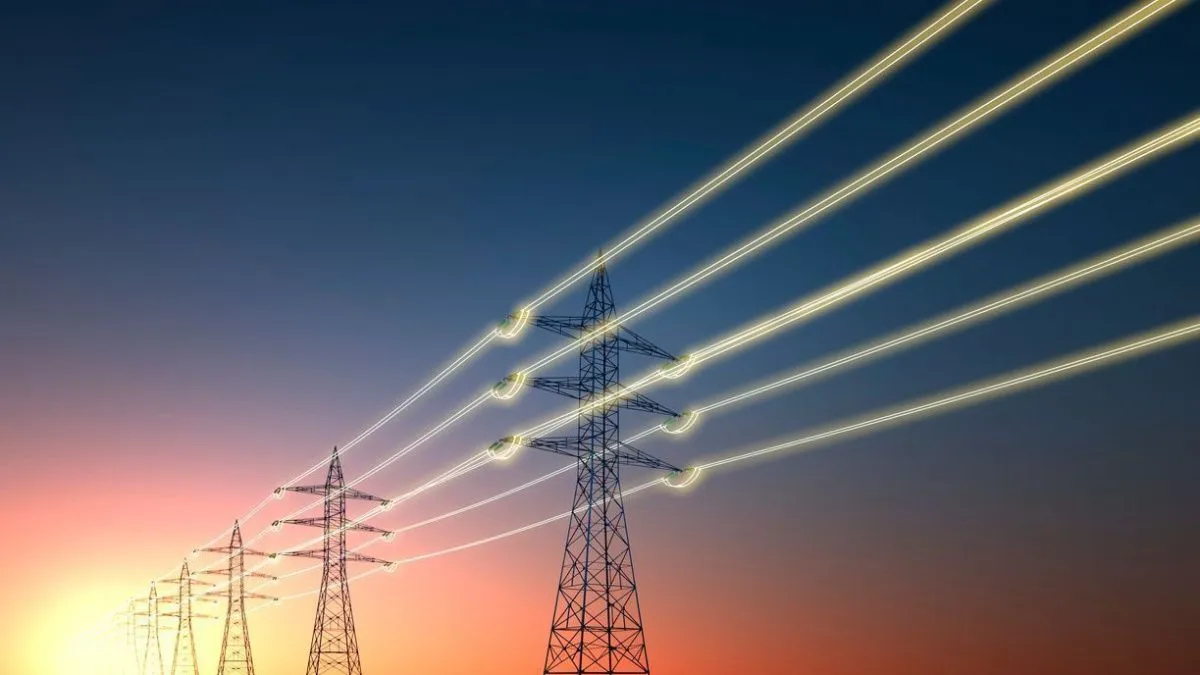
Photo source: hrui / iStock

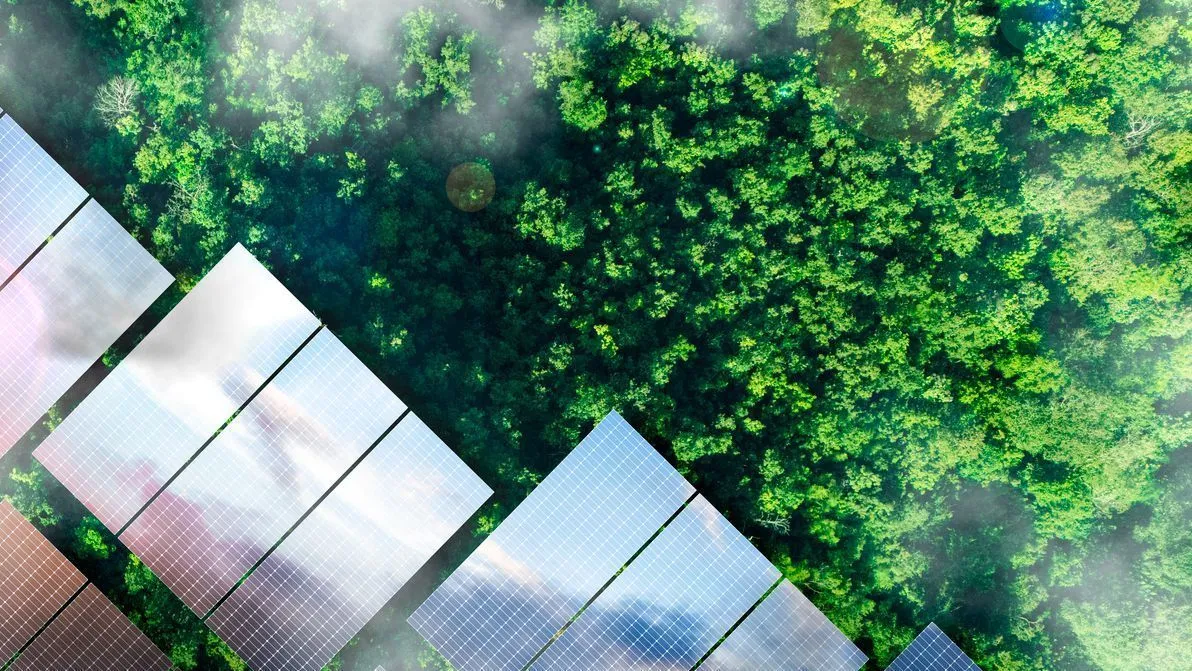
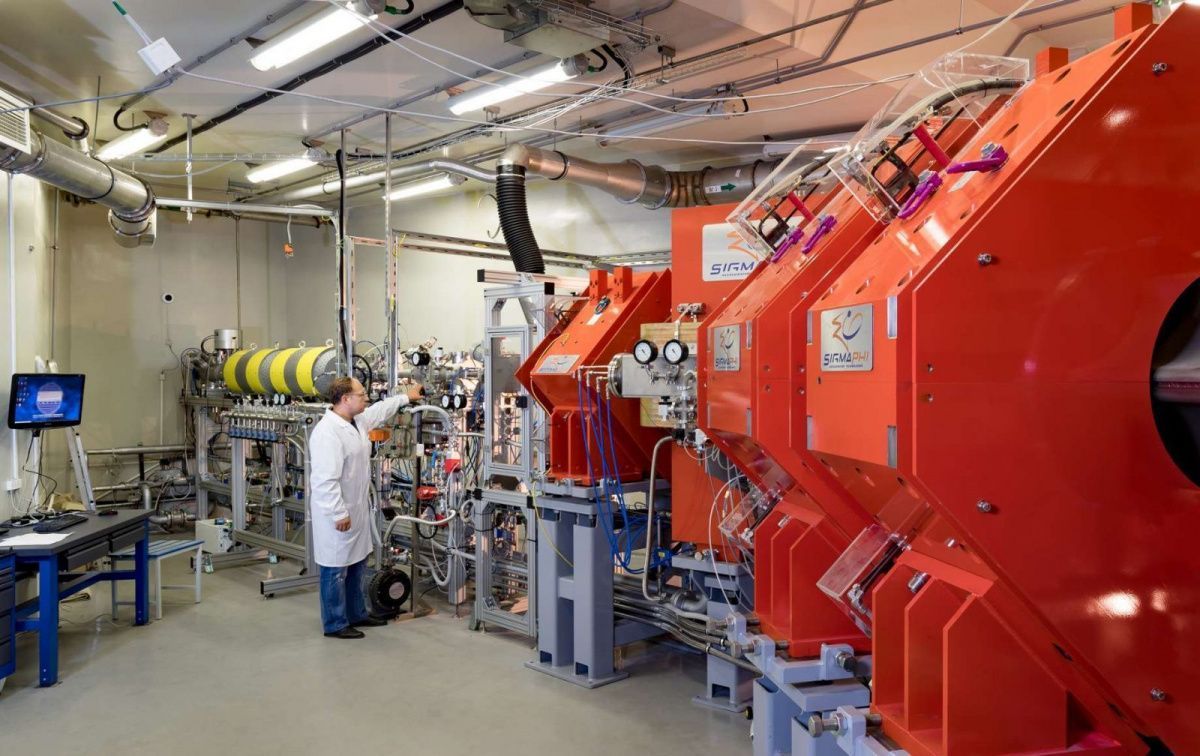
The China-Egypt Belt and Road Joint Laboratory on Renewable Energy is advancing solar technology research and development in Egypt. Located on Karaman Island in Sohag, southern Egypt, the facility is operated in cooperation with the Academy of Scientific Research and Technology (ASRT) and serves as a platform for research, testing and the development of photovoltaic technologies. This was reported by Science and Technology Daily, a partner of TV BRICS.
The laboratory has contributed to several milestones in Egypt's solar industry. In October 2023, the country produced its first locally manufactured half-cut solar cell, followed a month later by its first locally manufactured high-efficiency half-cell solar module.
"The joint lab is the core driver behind these achievements, providing comprehensive support for our technological breakthroughs and independent production," said Mohamed Zahran, a professor at the ASRT.
The facility has established a complete photovoltaic research and production system, covering key manufacturing processes, specialised production and testing equipment, as well as standardised research and production facilities adapted to desert conditions. Zhou Meng, Deputy Director of the Research Department at the research institute involved in the project, said the partners plan to further develop joint research and promote advanced photovoltaic technologies.
The cooperation draws on the complementary strengths of the two countries. Egypt receives around 3,000 hours of full sunshine annually, providing favourable conditions for solar energy development, while China has extensive expertise in photovoltaic technologies, equipment and supply chains. The joint laboratory has also developed demonstration projects, including on- and off-grid photovoltaic systems, solar-powered water pumping and water purification systems.
According to Aref Eliwa, a professor at ASRT, the facility provides a platform for scientists from both countries to conduct joint research and develop solutions adapted to Egypt's environmental conditions.
"Through the invaluable platform of the joint lab, scientists from China and Egypt can carry out deep cooperation and drive joint innovation," Eliwa noted.
Collaborative work has helped address technical challenges related to high-resistance dense-grid solar cells, improving their efficiency and supporting the development of photovoltaic products suited to local solar conditions.
Looking ahead, the partners plan to develop the joint laboratory into a regional renewable energy innovation centre. The facility is expected to expand activities in collaborative research, technology demonstration, technical training and the promotion of renewable energy solutions, contributing to the development of solar technologies in Egypt and across Africa.
-
![]()
 Technology05.09.26Thailand launches programme to expand public access to AI tools
 -
![]()

 Technology04.09.26BRICS satellites protecting environment: how member countries are saving Earth from space
 -
![]()
 Technology03.09.26Russian scientists discover new mechanism for energy transfer in ocean
 -
![]()
 Technology01.09.26Iranian researchers develop dual-purpose electrodes for renewable energy storage
 -
![]()

 Technology31.08.26Vietnam targets ASEAN’s top three in artificial intelligence by 2030
 -
![]()
 Technology29.08.26China completes world’s largest-diameter underwater shield tunnel









-
![Vladimir Putin]()
 Vladimir PutinPresident of Russia"We are developing mutual trade, which is growing; it increased by over 12 per cent last year. We have a joint commission working in this sphere. Our focus is on agriculture, shipbuilding, information technology and energy, including nuclear power. We have signed a free trade agreement between the Eurasian Economic Union and Indonesia. Jakarta is our reliable and old friend within ASEAN. We are working together at all international platforms, including the UN"
 -
![Vladimir Putin]() Vladimir PutinPresident of Russia"More and more Iranian students are choosing Russian education. We are very pleased about this. A great many future doctors are studying in Russia. In the 2025–2026 academic year, the number of Iranian students in Russia approached 10,000, with 802 of them studying at the expense of the Russian state budget"
Vladimir PutinPresident of Russia"More and more Iranian students are choosing Russian education. We are very pleased about this. A great many future doctors are studying in Russia. In the 2025–2026 academic year, the number of Iranian students in Russia approached 10,000, with 802 of them studying at the expense of the Russian state budget" -
![Xi Jinping]() Xi JinpingPresident of the People’s Republic of China"The foundation of our bilateral relations will only grow stronger, and we will confidently move forward to a better future. […] The striving of nations on our planet for peace, development, cooperation and mutual benefit remains unchanged. The vital mission of the Shanghai Cooperation Organisation is to maintain stability and promote the development of our region"
Xi JinpingPresident of the People’s Republic of China"The foundation of our bilateral relations will only grow stronger, and we will confidently move forward to a better future. […] The striving of nations on our planet for peace, development, cooperation and mutual benefit remains unchanged. The vital mission of the Shanghai Cooperation Organisation is to maintain stability and promote the development of our region" -
![Alisher Salomov]() Alisher SalomovAdviser to the Chairman of the National Committee for Ecology and Climate Change of the Republic of Uzbekistan"First and foremost, I would like to highlight the importance of this Central Asia–Russia initiative, because environmental problems know no borders, and only a shared understanding of these problems and the search for joint solutions can deliver positive results"
Alisher SalomovAdviser to the Chairman of the National Committee for Ecology and Climate Change of the Republic of Uzbekistan"First and foremost, I would like to highlight the importance of this Central Asia–Russia initiative, because environmental problems know no borders, and only a shared understanding of these problems and the search for joint solutions can deliver positive results" -
![Joao Paulo Capobianco]() Joao Paulo CapobiancoBrazilian Minister of the Environment and Climate Change"The BRICS countries have a very high level of responsibility because they share an important part of the world's biodiversity, landscapes, populations, food production and water resources. So, we have an opportunity to lead by example. We have our development bank, which can demonstrate and develop new ways of financing programmes. We can reduce the risks for private capital to invest in restoration and efforts to combat desertification"
Joao Paulo CapobiancoBrazilian Minister of the Environment and Climate Change"The BRICS countries have a very high level of responsibility because they share an important part of the world's biodiversity, landscapes, populations, food production and water resources. So, we have an opportunity to lead by example. We have our development bank, which can demonstrate and develop new ways of financing programmes. We can reduce the risks for private capital to invest in restoration and efforts to combat desertification"