















Russia presents electricity-generating textile with infrared sensitivity
Such fabrics are suited for extreme environments, including aerospace applications

Russian researchers have developed a novel textile capable of generating electric power using light and heat. The innovation is based on photoresponsive threads made from chemically modified carbon fibre. This is reported by the official website of the Ministry of Science and Higher Education of the Russian Federation.
These fibres, with diameters ranging from 6 to 10 microns, are resistant to atmospheric and chemical exposure and possess high tensile strength and elasticity while maintaining low density and a minimal coefficient of friction. Their near-zero coefficient of linear thermal expansion makes them particularly suitable for advanced electronic and material science applications.
The process involves subjecting the carbon fibre to a strong electric field, altering its conductivity from electron-based (n-type) to hole-based (p-type), enabling it to generate electrical potential under various conditions.
The research has led to the creation of two types of power generators. The first is a thermoelectric generator, which converts temperature differences between the heated and cooler surfaces of the textile into electricity.
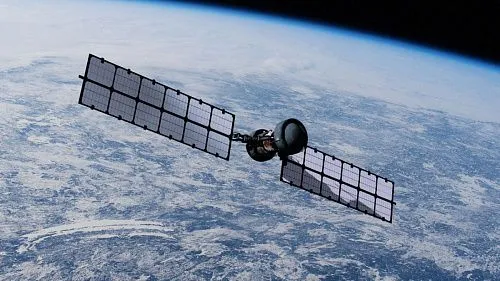
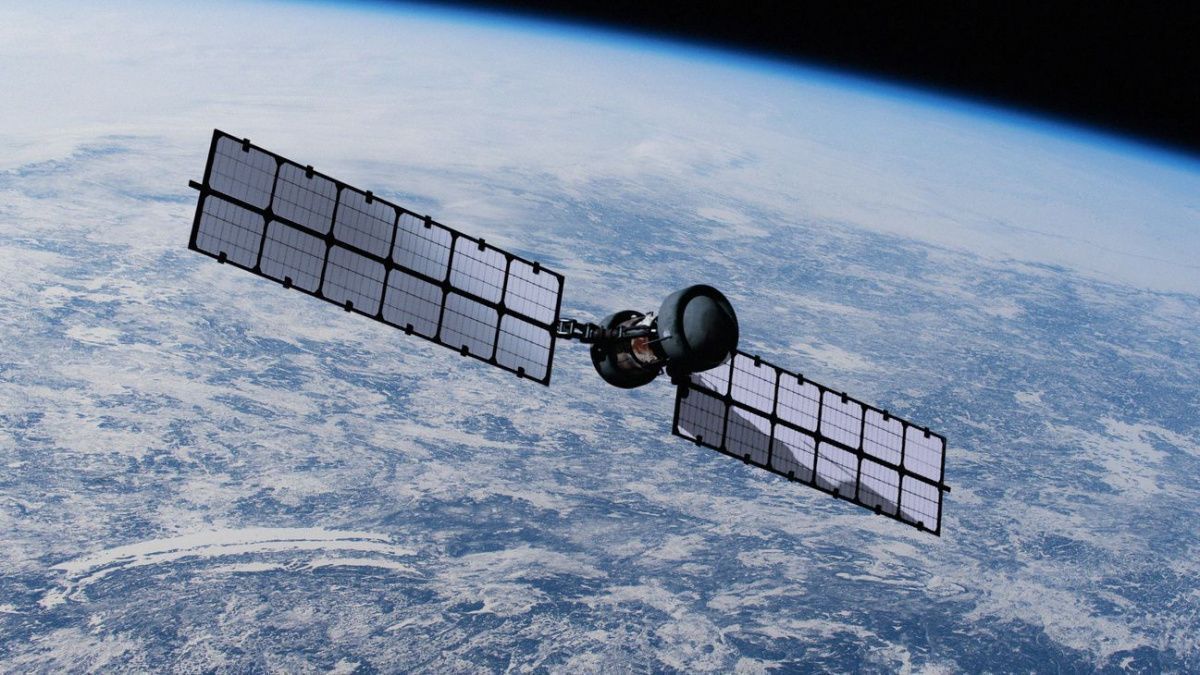
Such fabrics are suited for extreme environments, including aerospace applications, where they can provide thermal insulation while simultaneously serving as power sources in space, where temperature gradients are significant.
The second type is a photovoltaic generator, which produces electricity when the textile is exposed to light.
According to the researchers, this breakthrough opens the door to new energy solutions for wearable electronic devices by harnessing ambient heat.
Photo: iStock
-
![]()

 Technology08.09.26Expert: India can drive BRICS cooperation in energy, space, and digital technologies
 -
![]()
 Technology08.09.26Dubai airports launch mobile passport control
 -
![]()
 Technology07.09.26Iran develops AI system to detect pistachios suspected of aflatoxin contamination
 -
![]() Technology07.09.26BRICS countries strengthen technological sovereignty through cooperation
Technology07.09.26BRICS countries strengthen technological sovereignty through cooperation -
![]()
 Technology07.09.26China tests space rocket booster, opening new chapter in spaceflight
 -
![]()
 Technology05.09.26Thailand launches programme to expand public access to AI tools

















-
![Vladimir Putin]()
 Vladimir PutinPresident of Russia"We are developing mutual trade, which is growing; it increased by over 12 per cent last year. We have a joint commission working in this sphere. Our focus is on agriculture, shipbuilding, information technology and energy, including nuclear power. We have signed a free trade agreement between the Eurasian Economic Union and Indonesia. Jakarta is our reliable and old friend within ASEAN. We are working together at all international platforms, including the UN"
 -
![Vladimir Putin]() Vladimir PutinPresident of Russia"More and more Iranian students are choosing Russian education. We are very pleased about this. A great many future doctors are studying in Russia. In the 2025–2026 academic year, the number of Iranian students in Russia approached 10,000, with 802 of them studying at the expense of the Russian state budget"
Vladimir PutinPresident of Russia"More and more Iranian students are choosing Russian education. We are very pleased about this. A great many future doctors are studying in Russia. In the 2025–2026 academic year, the number of Iranian students in Russia approached 10,000, with 802 of them studying at the expense of the Russian state budget" -
![Xi Jinping]() Xi JinpingPresident of the People’s Republic of China"The foundation of our bilateral relations will only grow stronger, and we will confidently move forward to a better future. […] The striving of nations on our planet for peace, development, cooperation and mutual benefit remains unchanged. The vital mission of the Shanghai Cooperation Organisation is to maintain stability and promote the development of our region"
Xi JinpingPresident of the People’s Republic of China"The foundation of our bilateral relations will only grow stronger, and we will confidently move forward to a better future. […] The striving of nations on our planet for peace, development, cooperation and mutual benefit remains unchanged. The vital mission of the Shanghai Cooperation Organisation is to maintain stability and promote the development of our region" -
![Alisher Salomov]() Alisher SalomovAdviser to the Chairman of the National Committee for Ecology and Climate Change of the Republic of Uzbekistan"First and foremost, I would like to highlight the importance of this Central Asia–Russia initiative, because environmental problems know no borders, and only a shared understanding of these problems and the search for joint solutions can deliver positive results"
Alisher SalomovAdviser to the Chairman of the National Committee for Ecology and Climate Change of the Republic of Uzbekistan"First and foremost, I would like to highlight the importance of this Central Asia–Russia initiative, because environmental problems know no borders, and only a shared understanding of these problems and the search for joint solutions can deliver positive results" -
![Joao Paulo Capobianco]() Joao Paulo CapobiancoBrazilian Minister of the Environment and Climate Change"The BRICS countries have a very high level of responsibility because they share an important part of the world's biodiversity, landscapes, populations, food production and water resources. So, we have an opportunity to lead by example. We have our development bank, which can demonstrate and develop new ways of financing programmes. We can reduce the risks for private capital to invest in restoration and efforts to combat desertification"
Joao Paulo CapobiancoBrazilian Minister of the Environment and Climate Change"The BRICS countries have a very high level of responsibility because they share an important part of the world's biodiversity, landscapes, populations, food production and water resources. So, we have an opportunity to lead by example. We have our development bank, which can demonstrate and develop new ways of financing programmes. We can reduce the risks for private capital to invest in restoration and efforts to combat desertification"