














Use of local currencies to speed up trade and reduce costs in BRICS
This was stated by the Brazilian Foreign Minister

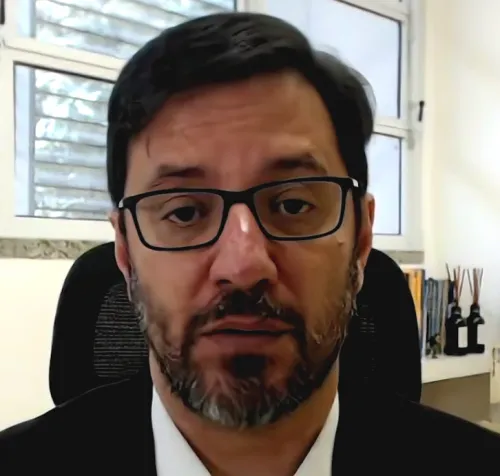
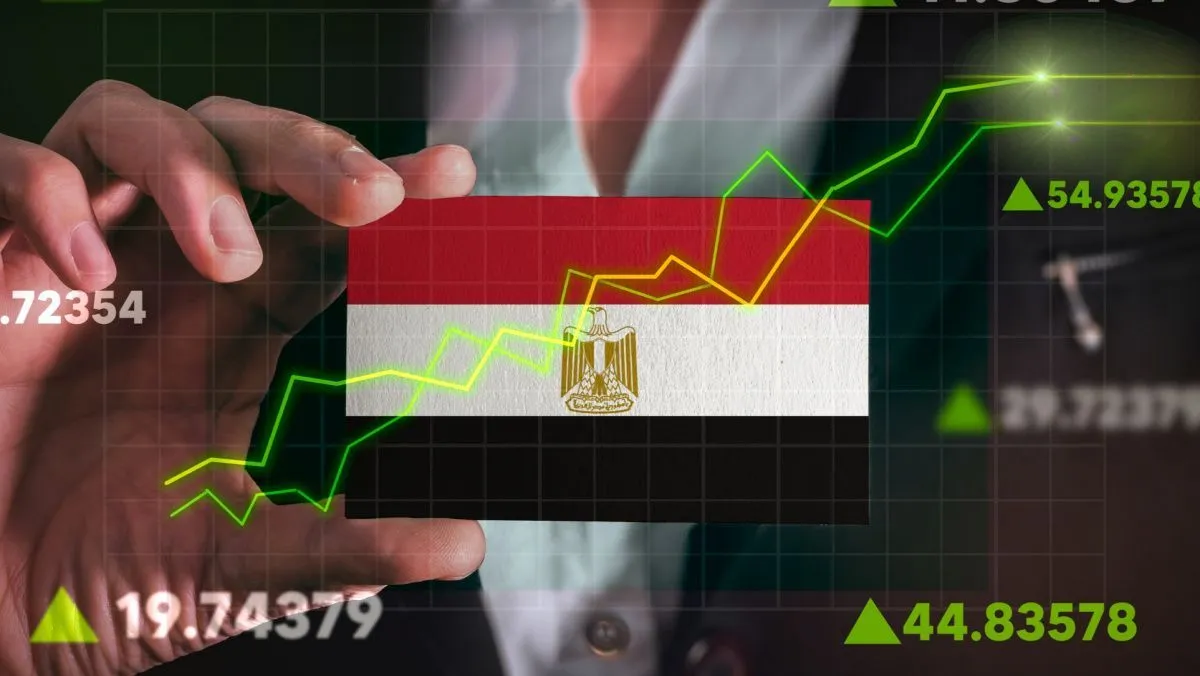
The use of local currencies in trade relations between BRICS countries will accelerate trade and reduce international costs. This was stated by Brazilian Foreign Minister Mauro Vieira during the Bom Dia, Ministro programme.
Taking part in the programme, Mauro Vieira said that if countries are responsible with their national accounts, the use of local currencies in international trade relations can also help strengthen them. "But of course it will depend on the national accounts and the volume of trade," he emphasised.
To enable the use of national currencies in trade relations between the BRICS countries (a group comprising Brazil, Russia, India, China and South Africa), the economy ministers were asked to "explore mechanisms that could lead to settlements in national currencies in bilateral trade".
Thus, Brazil will be able to pay for its international trade transactions in reals. On the other hand, when exporting, other countries will be able to receive money in their national currencies. "This is a very important step because it speeds up trade - and above all reduces the costs of international transfers."
He recalled that an attempt to use national currencies for this type of trade had already been made by President Luiz Inacio Lula da Silva during previous presidential terms, as reported by Toda Palavra, a partner of TV BRICS.
"In his first two terms, President Lula pursued the same goal and the first agreement was signed around 2005 with Argentina. This agreement allows bilateral trade to be paid for in our national currencies. He continues this work, now promoting it within the BRICS framework," said the minister.
He reiterated that it is not about creating a new currency. "It's about settling trade, eliminating the costs of international transfers, banking costs. "This is certainly a very important initiative that will make trade faster and cheaper," he added, clarifying that "triangulation of currencies" increases costs for countries.
Photo: Toda Palavra-
![]()
 Culture30.09.26Leo Tolstoy’s novella becomes bestseller in Brazil
 -
![]()

 Culture30.09.26Thailand proposes special exhibitions to mark 130 years of diplomatic relations with Russia
 -
![]()
 Culture29.09.26Iran National Orchestra to perform in Moscow and Kazan
 -
![]()
 Culture25.09.26Russian drama in translation and on stage: BRICS+ actors learn more about Russian theatre
 -
![]()
 Culture22.09.26“Salt of the Earth” Festival in Russia features films from India, Brazil, Iran and Venezuela
 -
![]()
 Culture21.09.26Bolivian film wins four awards at Lions of Fire Film Festival

















-
![Evgeny Solntsev]()
 Evgeny SolntsevGovernor of Orenburg Region (Russia)"We see growth year after year. Last year, the figure increased by 11.6 per cent. The total share of our products on the sales market is around 24.7 per cent. BRICS countries account for a quarter of all our products. Good-neighbourly relations with Kazakhstan are very important for us. Then come China and India. We primarily focus on these countries because they are our closest neighbours"
 -
![Elias Monage]() Elias MonageChairman of the South African side of the Russia-South Africa Business Council"If we are then to do a huge project, for example, on rail infrastructure, we can then bring the rest of the continent to participate in the rail development and infrastructure for the continent together with the partners within the BRICS countries. Whether we then bring, for example, Russia rail, we then bring India, we then bring China"
Elias MonageChairman of the South African side of the Russia-South Africa Business Council"If we are then to do a huge project, for example, on rail infrastructure, we can then bring the rest of the continent to participate in the rail development and infrastructure for the continent together with the partners within the BRICS countries. Whether we then bring, for example, Russia rail, we then bring India, we then bring China" -
![Maksim Reshetnikov]() Maksim ReshetnikovRussian Minister of Economic Development"Plan 2030 has created a strong foundation for the qualitative expansion of trade and economic ties. There are all grounds to believe that by the end of the decade, Russia–China trade will reach US$300 billion"
Maksim ReshetnikovRussian Minister of Economic Development"Plan 2030 has created a strong foundation for the qualitative expansion of trade and economic ties. There are all grounds to believe that by the end of the decade, Russia–China trade will reach US$300 billion"


