















Iran advances genetic preservation with cutting-edge cell storage technology
Such technology is particularly beneficial for genetic researchers, breeders, and livestock owners

Iran has introduced an advanced biotechnology system for preserving tissue, cell, and DNA samples. This is reported by Iran Press, a partner of TV BRICS.
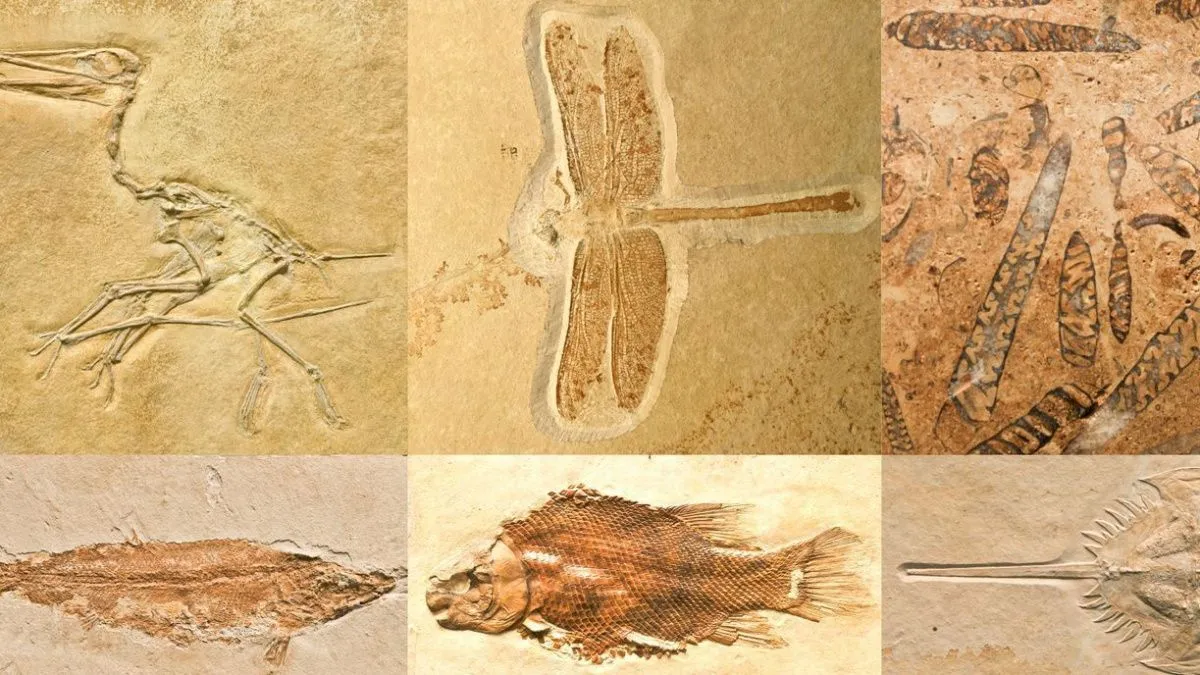
The research team has developed an innovative method that enhances the long-term viability of biological materials. By extracting fibroblast cells from live tissue and preserving them under meticulously controlled conditions, scientists are ensuring these samples remain intact for future genetic studies, selective breeding, and cloning initiatives.
By leveraging advanced biotechnological processes, we can maintain invaluable genetic resources that could aid in restoring rare breeds and even reviving extinct species.
A core component of this preservation method is cryogenic storage, which involves maintaining samples at ultra-low temperatures, typically -196°C in liquid nitrogen.
This process effectively halts biological activity, preventing genetic degradation and enabling long-term storage with minimal loss of viability.
Such technology is particularly beneficial for genetic researchers, breeders, and livestock owners seeking to safeguard valuable genetic lines.
Photo: iStock
-
![]()

 Technology09.09.26INOTEX 2026 connects 10 countries through technology, investment and startup cooperation
 -
![]()
 Technology09.09.26Russian scientists develop equipment for quickly detecting defective parts in manufacturing
 -
![]()
 Technology09.09.26Ethiopia creates globally competitive opportunities in artificial intelligence
 -
![]()

 Technology08.09.26Expert: India can drive BRICS cooperation in energy, space, and digital technologies
 -
![]()
 Technology08.09.26Dubai airports launch mobile passport control
 -
![]() Technology07.09.26Iran develops AI system to detect pistachios suspected of aflatoxin contamination
Technology07.09.26Iran develops AI system to detect pistachios suspected of aflatoxin contamination















-
![Vladimir Putin]()
 Vladimir PutinPresident of Russia"We are developing mutual trade, which is growing; it increased by over 12 per cent last year. We have a joint commission working in this sphere. Our focus is on agriculture, shipbuilding, information technology and energy, including nuclear power. We have signed a free trade agreement between the Eurasian Economic Union and Indonesia. Jakarta is our reliable and old friend within ASEAN. We are working together at all international platforms, including the UN"
 -
![Vladimir Putin]() Vladimir PutinPresident of Russia"More and more Iranian students are choosing Russian education. We are very pleased about this. A great many future doctors are studying in Russia. In the 2025–2026 academic year, the number of Iranian students in Russia approached 10,000, with 802 of them studying at the expense of the Russian state budget"
Vladimir PutinPresident of Russia"More and more Iranian students are choosing Russian education. We are very pleased about this. A great many future doctors are studying in Russia. In the 2025–2026 academic year, the number of Iranian students in Russia approached 10,000, with 802 of them studying at the expense of the Russian state budget" -
![Xi Jinping]() Xi JinpingPresident of the People’s Republic of China"The foundation of our bilateral relations will only grow stronger, and we will confidently move forward to a better future. […] The striving of nations on our planet for peace, development, cooperation and mutual benefit remains unchanged. The vital mission of the Shanghai Cooperation Organisation is to maintain stability and promote the development of our region"
Xi JinpingPresident of the People’s Republic of China"The foundation of our bilateral relations will only grow stronger, and we will confidently move forward to a better future. […] The striving of nations on our planet for peace, development, cooperation and mutual benefit remains unchanged. The vital mission of the Shanghai Cooperation Organisation is to maintain stability and promote the development of our region" -
![Alisher Salomov]() Alisher SalomovAdviser to the Chairman of the National Committee for Ecology and Climate Change of the Republic of Uzbekistan"First and foremost, I would like to highlight the importance of this Central Asia–Russia initiative, because environmental problems know no borders, and only a shared understanding of these problems and the search for joint solutions can deliver positive results"
Alisher SalomovAdviser to the Chairman of the National Committee for Ecology and Climate Change of the Republic of Uzbekistan"First and foremost, I would like to highlight the importance of this Central Asia–Russia initiative, because environmental problems know no borders, and only a shared understanding of these problems and the search for joint solutions can deliver positive results" -
![Joao Paulo Capobianco]() Joao Paulo CapobiancoBrazilian Minister of the Environment and Climate Change"The BRICS countries have a very high level of responsibility because they share an important part of the world's biodiversity, landscapes, populations, food production and water resources. So, we have an opportunity to lead by example. We have our development bank, which can demonstrate and develop new ways of financing programmes. We can reduce the risks for private capital to invest in restoration and efforts to combat desertification"
Joao Paulo CapobiancoBrazilian Minister of the Environment and Climate Change"The BRICS countries have a very high level of responsibility because they share an important part of the world's biodiversity, landscapes, populations, food production and water resources. So, we have an opportunity to lead by example. We have our development bank, which can demonstrate and develop new ways of financing programmes. We can reduce the risks for private capital to invest in restoration and efforts to combat desertification"