
















China identifies genetic mechanism for mammalian organ regeneration
This process opens new avenues for repairing damaged organs in humans

Chinese researchers have made a new scientific breakthrough by identifying a genetic switch that enables tissue regeneration in mammals, a discovery that could reshape the future of regenerative medicine and treatment of organ injuries. This is reported by Xinhua News Agency, a partner of TV BRICS.
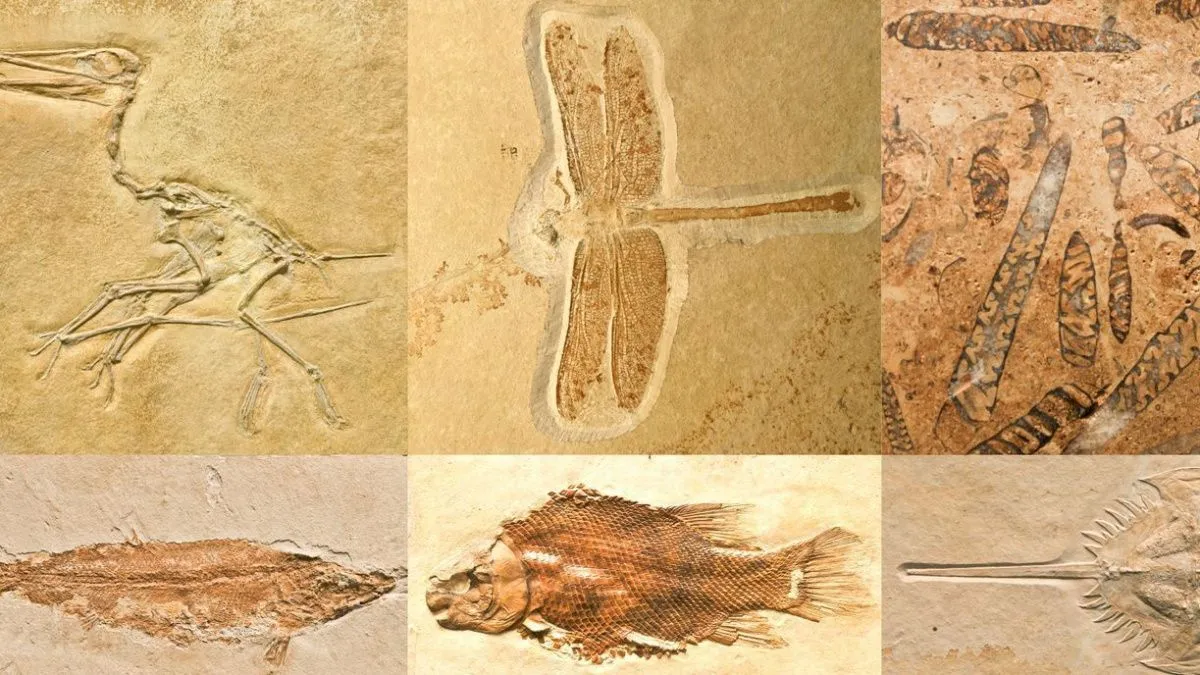
The study reveals that reactivating a dormant genetic pathway linked to Vitamin A metabolism allows regeneration of ear tissue in rodents. This process, commonly absent in mammals but active in species like fish and salamanders, opens new avenues for repairing damaged organs in humans.
The research team found that the inability of most mammals to regenerate tissue stems from insufficient activation of the gene Aldh1a2 after injury. This gene is responsible for producing retinoic acid (RA), a compound essential for tissue repair.
By introducing a gene enhancer from rabbits or directly supplying RA, scientists restored regenerative capacity in mice and rats. The ear pinna model, chosen due to its varying regenerative potential across species, proved ideal for studying evolutionary differences in tissue healing.
Researchers believe the findings provide a scientific basis for future strategies to promote regeneration in tissues and organs that typically do not heal naturally.
Photo: iStock
-
![]()

 Technology09.09.26INOTEX 2026 connects 10 countries through technology, investment and startup cooperation
 -
![]()
 Technology09.09.26Russian scientists develop equipment for quickly detecting defective parts in manufacturing
 -
![]()
 Technology09.09.26Ethiopia creates globally competitive opportunities in artificial intelligence
 -
![]()

 Technology08.09.26Expert: India can drive BRICS cooperation in energy, space, and digital technologies
 -
![]()
 Technology08.09.26Dubai airports launch mobile passport control
 -
![]() Technology07.09.26Iran develops AI system to detect pistachios suspected of aflatoxin contamination
Technology07.09.26Iran develops AI system to detect pistachios suspected of aflatoxin contamination


















-
![Vladimir Putin]()
 Vladimir PutinPresident of Russia"We are developing mutual trade, which is growing; it increased by over 12 per cent last year. We have a joint commission working in this sphere. Our focus is on agriculture, shipbuilding, information technology and energy, including nuclear power. We have signed a free trade agreement between the Eurasian Economic Union and Indonesia. Jakarta is our reliable and old friend within ASEAN. We are working together at all international platforms, including the UN"
 -
![Vladimir Putin]() Vladimir PutinPresident of Russia"More and more Iranian students are choosing Russian education. We are very pleased about this. A great many future doctors are studying in Russia. In the 2025–2026 academic year, the number of Iranian students in Russia approached 10,000, with 802 of them studying at the expense of the Russian state budget"
Vladimir PutinPresident of Russia"More and more Iranian students are choosing Russian education. We are very pleased about this. A great many future doctors are studying in Russia. In the 2025–2026 academic year, the number of Iranian students in Russia approached 10,000, with 802 of them studying at the expense of the Russian state budget" -
![Xi Jinping]() Xi JinpingPresident of the People’s Republic of China"The foundation of our bilateral relations will only grow stronger, and we will confidently move forward to a better future. […] The striving of nations on our planet for peace, development, cooperation and mutual benefit remains unchanged. The vital mission of the Shanghai Cooperation Organisation is to maintain stability and promote the development of our region"
Xi JinpingPresident of the People’s Republic of China"The foundation of our bilateral relations will only grow stronger, and we will confidently move forward to a better future. […] The striving of nations on our planet for peace, development, cooperation and mutual benefit remains unchanged. The vital mission of the Shanghai Cooperation Organisation is to maintain stability and promote the development of our region" -
![Alisher Salomov]() Alisher SalomovAdviser to the Chairman of the National Committee for Ecology and Climate Change of the Republic of Uzbekistan"First and foremost, I would like to highlight the importance of this Central Asia–Russia initiative, because environmental problems know no borders, and only a shared understanding of these problems and the search for joint solutions can deliver positive results"
Alisher SalomovAdviser to the Chairman of the National Committee for Ecology and Climate Change of the Republic of Uzbekistan"First and foremost, I would like to highlight the importance of this Central Asia–Russia initiative, because environmental problems know no borders, and only a shared understanding of these problems and the search for joint solutions can deliver positive results" -
![Joao Paulo Capobianco]() Joao Paulo CapobiancoBrazilian Minister of the Environment and Climate Change"The BRICS countries have a very high level of responsibility because they share an important part of the world's biodiversity, landscapes, populations, food production and water resources. So, we have an opportunity to lead by example. We have our development bank, which can demonstrate and develop new ways of financing programmes. We can reduce the risks for private capital to invest in restoration and efforts to combat desertification"
Joao Paulo CapobiancoBrazilian Minister of the Environment and Climate Change"The BRICS countries have a very high level of responsibility because they share an important part of the world's biodiversity, landscapes, populations, food production and water resources. So, we have an opportunity to lead by example. We have our development bank, which can demonstrate and develop new ways of financing programmes. We can reduce the risks for private capital to invest in restoration and efforts to combat desertification"